
































Vitamins for Sciatic Nerve Pain

Vitamins for Sciatic Nerve Pain
Photo Credit Hemera Technologies/PhotoObjects.net/Getty Images

The sciatic nerve is the longest nerve in your body. It originates in the lower back and enters your lower extremities through what is known as the sciatic notch. Your sciatic nerve is responsible for carrying sensory information from your lower limbs to your brain and also sending motor information to your lower extremities. Sciatic nerve pain may be sharp or tingling. Vitamins B-6 and B-12 are particularly important to nerve health and the prevention of sciatic nerve pain.

Sciatic Nerve Pain

You may feel sciatic nerve pain anywhere along the pathway of the sciatic nerve; however, it is most common along the path from your low back to your buttock and the back of your thigh and calf. It usually affects only one leg. The pain can vary widely in intensity and may include numbness or muscle weakness. If you also experience loss of bladder or bowel control, it may indicate you need emergency care; see a doctor immediately.

Vitamin B-12

The cells that make up your nerves -- neurons-- are covered in a myelin sheath for protection. The myelin sheath is similar to the covering that protects electrical wires. Vitamin B-12 plays an important role in maintaining the myelin sheath; therefore, if you are deficient in B-12 you may experience nerve degeneration, pain and eventually paralysis.

Sources of B-12

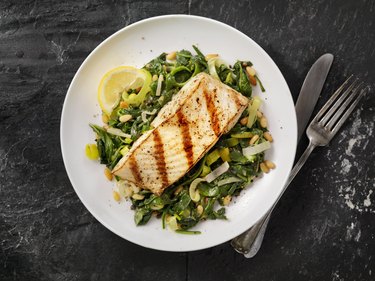
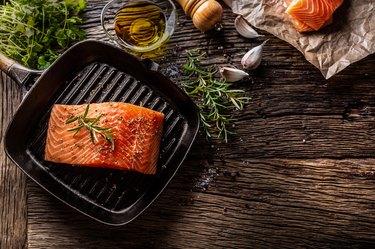
Vitamin B-12 is found naturally in meat products, eggs, fish and poultry. You can also get vitamin B-12 in fortified cereals or as a supplement. The recommended daily intake for vitamin B-12 is 2.4 mg for adults. If you have a well-balanced diet, a deficiency is unlikely; however, those who follow a vegetarian or strict vegan diet must play close attention to dietary choices to ensure they are getting enough B-12.

Vitamin B6

Vitamin B-6 plays an important role in the synthesis of the neurotransmitters serotonin and norepinephrine. B-6 is also important for myelin formation. Major sources of vitamin B-6 include cereal, legumes, carrots, spinach, peas, potatoes, milk, cheese, eggs, fish, liver and meat.

References

Article reviewed by Mia Paul Last updated on: Jul 13, 2011

Must see: Photo Galleries