
































Cirrhosis of the liver is a condition that starts as primary biliary cirrhosis, in which your liver's bile ducts are slowly destroyed. The liver produces bile to help your body digest fats and dispose of worn-out red blood cells, cholesterol and toxins. Stage four is the final stage, in which the liver has irreversible scarring. Cirrhosis is often associated with alcoholism, although it has other causes.
Importance of Nutrition
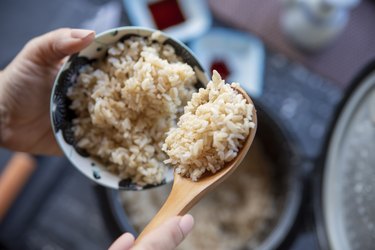
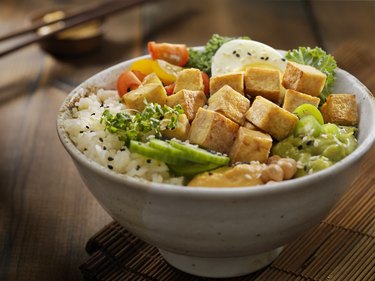
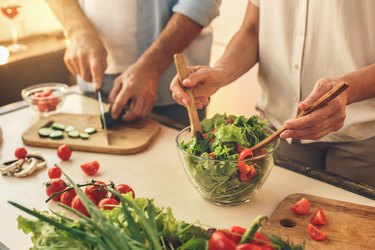
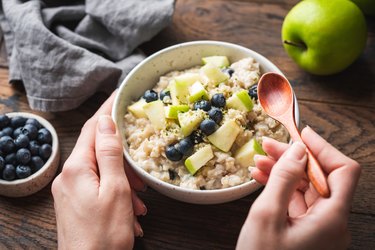
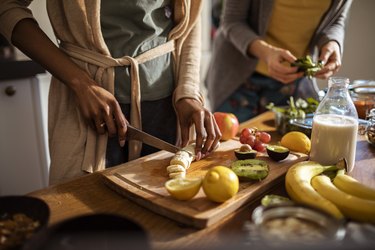
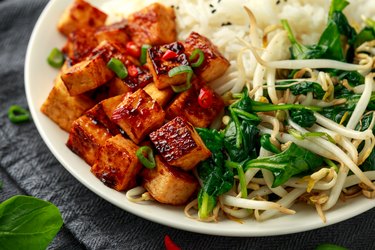
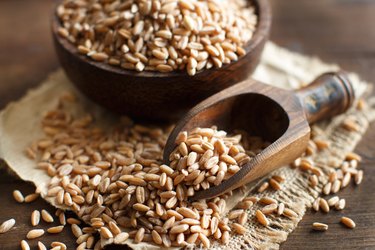
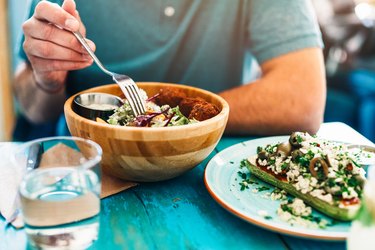
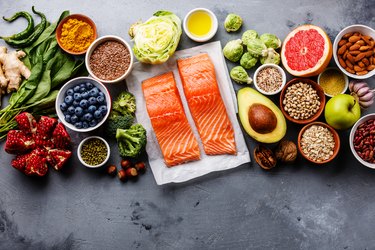
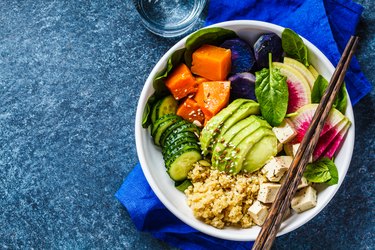
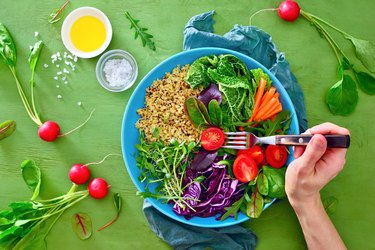
If you have cirrhosis, a healthy diet is one of the key steps you can take to manage your condition. People with cirrhosis often have malnutrition because the liver is unable to convert food into stored energy efficiently. It also becomes less effective at eliminating toxins. The best diet is one rich in fresh fruits, vegetables and whole grains. This diet provides a wide variety of vitamins, minerals and other nutrients that your body needs to maintain optimum health.
Dietary Restrictions
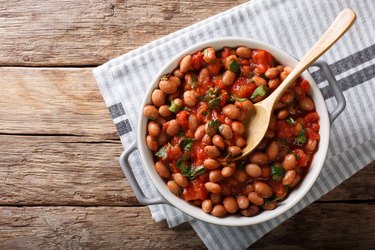
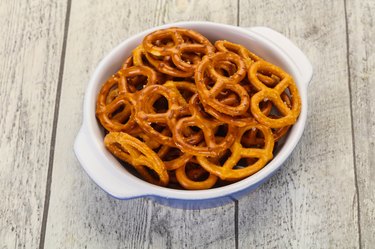
You may need to eat a low-sodium diet if fluid retention is one of your cirrhosis symptoms. Sodium increases fluid retention and can cause swelling and increased blood pressure. Hidden salt lurks in many foods, especially processed foods. Canned soups and vegetables, along with many baked goods, are high in sodium.
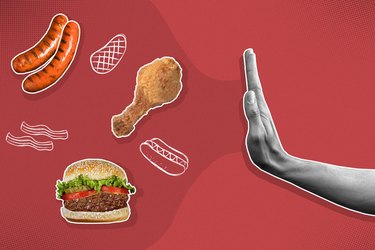
Avoid alcohol because it can accelerate damage to your liver. Also be conscious of protein intake. Your body needs protein to help repair muscle, but too much protein can raise ammonia levels and cause hepatic encephalopathy, a brain disorder related to liver failure. You should follow your physician's guidelines on how much protein to eat. Avoid raw shellfish, which may carry a bacteria that is particularly dangerous if you have cirrhosis.
Nutrients of Concern
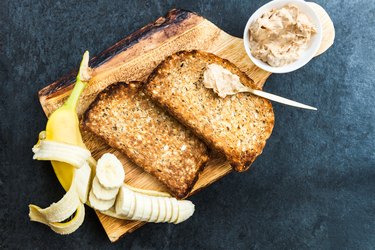
The Dietary Guidelines for Americans 2010 has identified nutrients in which many American diets are deficient, including potassium, calcium and vitamin D. These nutrients are particularly important if you have cirrhosis. Potassium can help lower blood pressure and decrease bone loss. Baked potatoes, orange juice and bananas are among the best sources.
Calcium and vitamin D are central not only in preventing osteoporosis, which has an increased incidence among those with cirrhosis, but also in controlling nerve transmission and the constriction and dilation of blood vessels. Low-fat and fat-free milk and other dairy products are good sources. Many manufacturers now supplement foods such as orange juice with calcium as well.
Treatment
Cirrhosis has no cure, but lifestyle management can minimize complications and slow the progression of the disease. Eating a healthy diet and managing high blood pressure can help, as can avoiding medications that damage the liver, such as acetaminophen. Always consult your physician before taking over-the-counter drugs, herbs or other supplements. In more severe cases of cirrhosis, you may need surgery to treat bleeding veins or to drain fluid from your abdomen.


