



















































Diet for People With Hyperglycemia

Diet for People With Hyperglycemia
Photo Credit Brand X Pictures/Brand X Pictures/Getty Images

Hyperglycemia is the medical term for high blood glucose, the sugar your body metabolizes for energy. People with diabetes, prediabetes and insulin resistance have hyperglycemia. Type 1 diabetes is characterized by the inability to produce insulin, whereas type 2 diabetes is characterized by cellular resistance to insulin. People with prediabetes have high blood glucose, but lower than diabetics, whereas people with insulin resistance cannot properly use insulin. You can manage hyperglycemia with diet.

Low Glycemic Foods

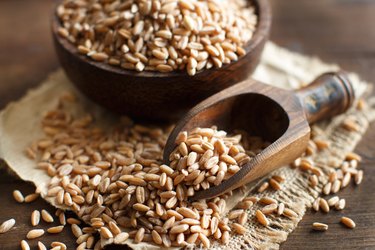
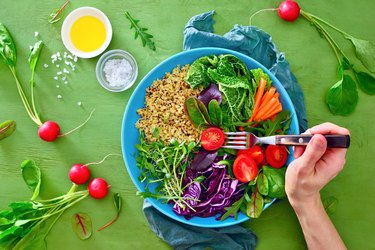
Low glycemic foods are most important in a diet for people with hyperglycemia. The glycemic index is an indicator of how quickly your body is able to absorb sugar from food into your blood. The higher the glycemic index, the more rapidly sugar is absorbed, increasing your risk of spiking your blood sugar and consequent complications such as the development of cardiovascular disease. Eating low glycemic foods, including whole grains, legumes, nuts and certain fruits and vegetables, such as grapefruit, apple, peach, pear, carrots and peas, can help you control your blood sugar.

Soluble Fiber

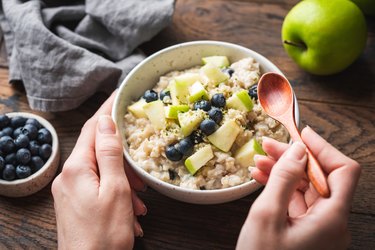
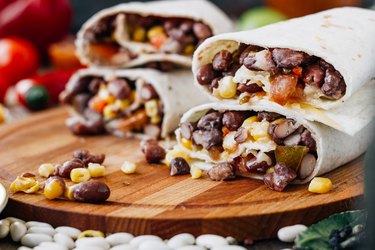
People with hyperglycemia can benefit from eating foods that contain soluble fiber such as beans and oatmeal. Soluble fiber is an indigestible substance in certain foods. Eating foods with soluble fiber can help you control your blood sugar and lower your cholesterol. Soluble fiber can slow the absorption of sugar into your bloodstream and help lower your LDL or "bad" cholesterol level, which in turn can lower your total cholesterol levels. Lowering your cholesterol is especially important when you have hyperglycemia because of the potential for cardiovascular complication.

Healthy Fats

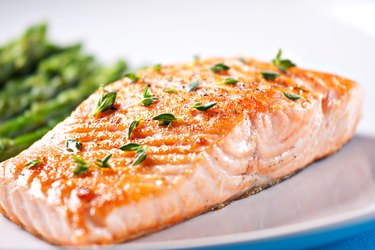
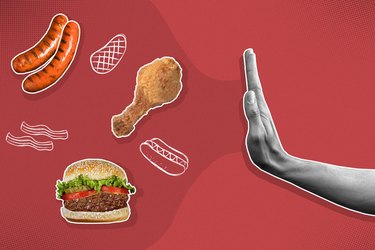
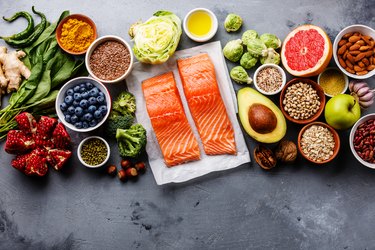
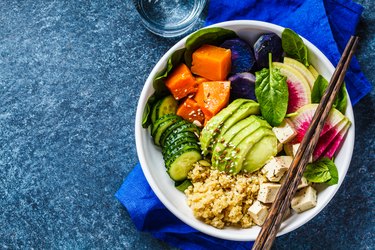
Your diet should emphasize healthy fats, while you should try to avoid unhealthy fats. Healthy fats, such as omega-3 fatty acids and monounsaturated fatty acids, can improve your blood cholesterol and lower your risk of cardiovascular disease, whereas unhealthy fats, such as saturated fat and trans fat, can increase your cholesterol and elevate your risk of heart disease. Foods that contain omega-3 fatty acids include salmon, sardines, walnuts and flaxseeds. Foods that contain monounsaturated fatty acids include avocados, almonds, pecans, pumpkin seeds, peanut butter and olive oil. Foods to avoid that contain unhealthy fats include fatty meats, dairy and processed foods.

Cinnamon

Whenever possible, add cinnamon to your diet. Cinnamon is a spice that has certain properties to help you reduce your blood sugar. Research by scientists at Thames Valley University in Brentford, England and published in "Diabetes, Obesity & Metabolism" in December 2009 found that cinnamon possesses anti-hyperglycemic properties with potential to reduce blood glucose levels.

References

Article reviewed by Mia Paul Last updated on: Jul 23, 2011

Must see: Photo Galleries