




































































A waist larger than 40 inches for men and larger than 35 inches for women is a major risk factor for insulin resistance. As the waist circumference of Americans is increasing, the prevalence of insulin resistance is also on the rise. Insulin resistance develops when your body no longer reacts to normal concentrations of insulin, and your pancreas has to work harder to produce larger quantities of insulin to keep your blood sugar levels under control. Insulin resistance is the precursor of metabolic syndrome, pre-diabetes and type 2 diabetes, according to the National Diabetes Information Clearinghouse.
High Insulin Levels and Weight
People with insulin resistance are usually overweight, especially around the middle. Reducing your waist circumference can help decrease or even reverse insulin resistance, and losing 5 to 7 percent of your body weight can prevent type 2 diabetes. Unfortunately, the high insulin levels associated with this condition often make weight loss more difficult. In addition to controlling your blood sugar, insulin also is a storage hormone, stocking calories in your body fat stores for later use.
Reducing Your Insulin Levels
If you are insulin resistant, the best way to lose weight is by lowering your circulating insulin levels. As long as your insulin levels are high, your body will be in fat storage mode, and it will be difficult for you to lose weight, even if you follow a very restrictive diet. Because insulin is produced in response to eating carbohydrates, either from sugar- or starch-containing foods, restricting your carb intake can help you reduce your insulin levels and facilitate weight loss.
Low-Carb Diets and Weight Loss
Type 2 diabetics who follow a strict low-carb diet can improve their insulin sensitivity by as much as 75 percent within a matter of weeks, according to a study published in the March 2005 issue of "Annals of Internal Medicine." The diet used in this study limited carbohydrates to about 20 g a day. All carbohydrates with the exception of nonstarchy foods were eliminated. A longer-term study with a duration of 24 weeks showed that a similar low-carb diet helped insulin-resistant type 2 diabetics lose significantly more weight, compared with the group following a low-fat, low-glycemic diet. The average weight loss for study participants on the low-carb diet was 24.5 lbs., compared with 15.2 lbs. for those on the other diet, according to study, published in the December 2008 issue of "Nutrition & Metabolism."
Restricting Your Carbs
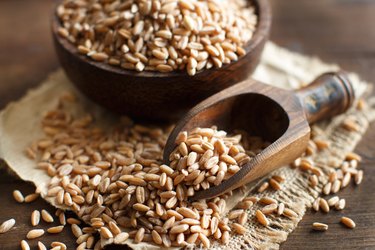
If you want to lose weight and improve your insulin resistance, restricting your carbohydrates could be the solution. Consult your doctor before starting a low-carb eating plan to ensure that it is suitable for you. To keep your carb intake low, avoid grains and starchy vegetables, such as toast, subs, burgers, mashed potatoes, french fries, spaghetti, pizzas, crackers, breakfast cereals, rice, pancakes and other baked goods. Eliminate most fruits, milk and yogurt, as well as any food or beverages with added sugar, including candies, soft drinks and desserts.
A Satisfying Low-Carb Diet
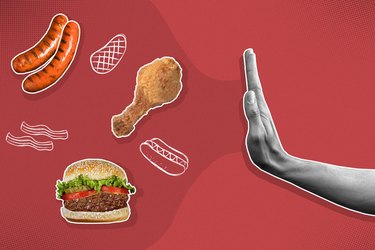
For a low-carb diet to be effective and satisfying, you should include enough protein, or about 4 to 6 oz. per meal, and considerably increase your fat intake. Eating more fat on a low-carb diet can actually help you lose weight, according to Dr. Stephen D. Phinney, co-author of "The New Atkins for a New You: The Ultimate Diet for Shedding Weight and Feeling Great." At each of your meals, include plenty of nonstarchy vegetables, such as leafy greens, asparagus or mushrooms, with a good dose of protein, such as meat, poultry or fish, and generous amounts of fat, from olive oil, nuts, avocado, butter or coconut oil. Avoid trans fat found in shortening and processed foods.
References
- National Diabetes Information Clearinghouse; Insulin Resistance and Pre-Diabetes; October 2008
- "The New Atkins for a New You: The Ultimate Diet for Shedding Weight and Feeling Great"; Eric C. Westman, Stephen D. Phinney and Jeff S. Volek; 2010
- "Annals of Internal Medicine"; Effect of a Low-Carbohydrate Diet on Appetite, Blood Glucose Levels, and Insulin Resistance in Obese Patients with Type 2 Diabetes; Guenther Boden, et al.; March 2005
- "Nutrition & Metabolism"; The Effect of a Low-Carbohydrate, Ketogenic Diet Versus a Low-Glycemic Index Diet on Glycemic Control in Type 2 Diabetes Mellitus; Eric C. Westman, et al.; December 2008


