
Different types and intensities of exercise can cause various short-term changes and adaptations to your muscles -- skeletal, cardiac and smooth -- and the nervous system. High-intensity aerobics can improve your heart muscle's strength, while intense strength conditioning decreases your sensitivity to muscle soreness. These short-term effects can make you more resilient to injury and fatigue and improve your endurance and strength in the long term.
Increased Heart Rate and Stroke Volume
Video of the Day
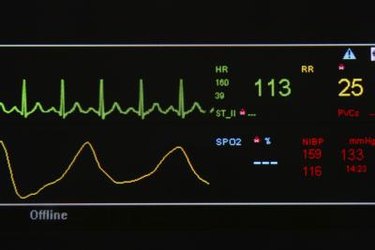
Your cardiovascular and respiratory systems provide nutrients to and remove wastes from your muscles, working like a furnace to regulate your body's energy demand. Your muscles crave more oxygen and glucose for fuel as your exercise intensity increases. Therefore, your brain stimulates your adrenal glands to release more adrenaline and noradrenaline into your blood, which increases your heart rate and the force of its contractions, according to Sports Fitness Advisor. Stroke volume is the amount of blood pumped out of the left ventricle of your heart. As exercise intensity increases, the wall of the left ventricle increases to fill up with more blood. The elastic recoil produces a more powerful contraction, forcing more blood out into the body.
Video of the Day
Muscle Glycogen and Protein Synthesis
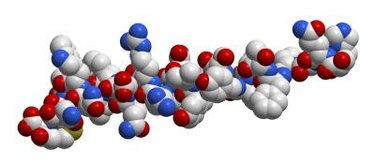
Muscle glycogen is the storage site of carbohydrates, much like how plants store carbohydrates in the form of starch. As you exercise, glycogen is released into the bloodstream to provide energy for your cells and to assist in fat metabolism. In a 1996 study published in "Sports Medicine," researchers found out that short-term, high-intensity exercise produces a higher glycogen resynthesis rate -- or formation of new glycogen -- than prolonged, lower-intensity exercise. After a bout of resistance training or high-intensity aerobic exercise, your body demands more protein to rebuild damaged muscle tissues. This demand can last between 24 and 48 hours, which means that you should consume meals regularly to replenish protein. A 2001 review published in the "International Journal of Sports Medicine and Exercise Metabolism" suggests that a combination of protein and carbohydrates should be consumed to promote protein synthesis. A subsequent 2006 study published in "Metabolism" showed that consuming a liquid meal consisting of carbohydrates and proteins can suppress cortisol from being released into your bloodstream, which causes muscle protein to break down.
Muscle Soreness

A strength-training session can leave your muscles feeling sore and tender, especially if you haven't exercised in a long time. Although there is no single factor that causes exercise-induced muscle soreness, physical therapist Tony Ingram states that the most likely cause of muscle soreness is from eccentric muscle contractions, which is the lengthening of muscle tissues while they're under tension. An example would be the lengthening of your quadriceps as you squat down. A 2013 study published in the "European Journal of Applied Physiology" showed that muscle sensitivity to pain decreased in subjects a day after they had performed a bout of eccentric exercises. Your nervous system increases the pain threshold in your muscles to adapt to the exercise stress, which is why you may not feel as sore the next time you exercise.
Muscle Fatigue

Whether you're training for a marathon or competing in a two-minute boxing match, muscle fatigue affects all athletes. The primary symptom of muscle fatigue is defined as a "decline in the maximal force or power capacity of muscle," according to a 2008 study published in "The Journal of Physiology." When energy demand exceeds the energy production rate, your muscle fibers reduce their contractile power, which eventually forces you to stop exercising. Other factors that can contribute to the degree of muscle fatigue include age, gender, fitness status, presence or absence of disease or injury, body position and exercise intensity.
- Sports Fitness Advisor: The Cardiovascular System
- Bboy Science: Muscle Soreness
- Sports Medicine: Muscle Glycogen Resynthesis After Short Term, High Intensity Exercise and Resistance Exercise
- The Journal of Physiology: Muscle Fatigue: What, Why and How It Influences Muscle Function
- European Journal of Applied Physiology: Pain Sensitivity Is Normalized After a Repeated Bout of Eccentric Exercise
- International Journal of Sports Medicine and Exercise Metabolism: Exercise, Protein Metabolism, and Muscle Growth
- American Heart Association: Target Heart Rates
- Metabolism: Liquid Carbohydrate/Essential Amino Acid Ingestion During a Short-Term Bout of Resistance Exercise Suppresses Myofibrillar Protein Degradation