





Natural Ways to Lower Liver Enzymes

Natural Ways to Lower Liver Enzymes
Photo Credit Jupiterimages/Goodshoot/Getty Images

Your liver is your largest internal organ, carrying out many essential functions to maintain your health. These include managing your energy stores, making proteins, cleaning your blood of toxins and helping digest fats. When your liver is injured or diseased, levels of certain enzymes in your blood may become elevated. Several herbal remedies may help prevent or reverse liver damage, lowering levels of these enzymes. Discuss use of these remedies with your doctor to decide what is best for your situation.

Liver Enzymes

Liver cells contain a number of enzymes that are either exclusive to the liver or found there in high amounts. Normally, their level in your blood is very low because cells with healthy membranes keep the enzymes inside. However, when cells are injured or killed, the enzymes leak out of the cells and into your blood, indicating that something is wrong with your liver. These enzymes include alkaline phosphatase, or ALP; gamma-glutamyl transpeptidase, or GGT; alanine transaminase, or ALT; and aspartate aminotransferase, or AST. By measuring all of these enzymes, your doctor can determine if a health problem resides in your liver or another organ.

Milk Thistle

Milk thistle is a traditional herbal remedy recommended by practitioners for liver and gallbladder disease. It contains a natural compound called silymarin, which is made up of several flavonoids with beneficial effects for liver cells. Silymarin stabilizes liver cell membranes, helping them exclude bacteria, viruses and toxins. It also stimulates protein production by liver cells and supports liver repair by helping cells divide to replace those lost to injury or disease. In a clinical study of silymarin published in 1989 in a Hungarian journal, "Orvosi Hetilap," subjects with liver disease who took silymarin had decreased blood levels of liver enzymes compared to a placebo group, indicating that the supplement helped improve liver health.

Bupleurum

The root of bupleurum, a Chinese herb, may also be useful in treating liver disease. It is also a major ingredient in an Asian herbal formulation called sho-saiko-to, a botanical combination containing small amounts of six other herbs that is often prescribed in Japan for hepatitis. The major components of bupleurum belong to a class called saikosaponins, believed responsible for the herb's medicinal properties. These compounds are natural anti-inflammatory agents that act by suppressing production of an inflammatory molecule called arachidonic acid. Memorial Sloan-Kettering Cancer Center lists bupleurum as a useful herb to treat hepatitis and cirrhosis, two liver disorders that often cause elevated liver enzymes.

Recommendations

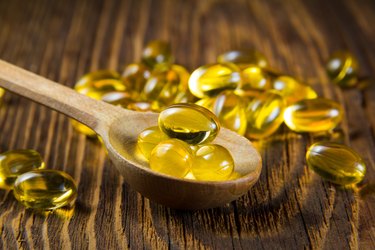
Milk thistle and bupleurum are considered safe supplements, although both may cause some intestinal upset including nausea and diarrhea, and bupleurum may lead to minor swelling of your face or extremities. These supplements are available from most health food stores in tablets or capsules. Both herbs may interfere with the action of some prescription medications. Talk to your doctor about milk thistle and bupleurum before adding either or both to your regimen.

References

Article reviewed by Lisa Michael Last updated on: Aug 3, 2011

Must see: Photo Galleries