




















































Every food you eat has a temporary and minuscule effect on your body’s homeostasis, or pH balance. Alkaline-forming foods, including most fruits and vegetables, support your body’s natural state of alkalinity. A long-term diet rich in alkalizing foods not only supports a healthy pH balance, it also helps maintain critical alkali reserves. While many acid-forming foods, such as meat and dairy products, play an important role in a balanced diet, emphasizing such foods can create a buildup of acids in the body, leading to an unhealthy condition known as chronic low-grade metabolic acidosis.
Overall Diet
A diet that consistently emphasizes alkalizing foods over acidifying foods supports the healthy, distinct pH ranges of all bodily fluids. According to “The Acid Alkaline Food Guide,” the pH value of your first morning urine reveals the general pH nature of your body. A pH value between 6.5 and 7.5, or slightly acidic to slightly alkaline, is considered healthy. A diet of 60 percent alkalizing foods and 40 percent acidifying foods maintains this healthy homeostasis. Urine with a pH between 6 and 6.4 is moderately acidic, and a pH of 5 to 5.9 is extremely acidic. Boosting the intake of alkaline-forming foods to 80 percent and reducing the intake of acid-forming foods to 20 percent helps correct acid imbalances and rebuild depleted alkali reserves.
Breakfast
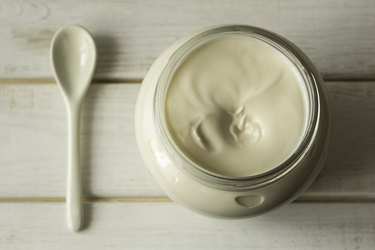
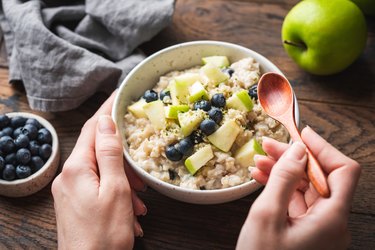
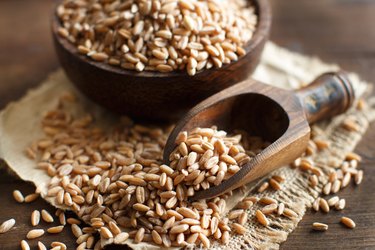
Many people start the day with a cup of coffee. Because coffee is highly acid-forming, especially when sweetened with sugar, you should replace it with an alkalizing beverage such as a cup of herbal, ginger or green tea. “The pH Balance Diet” suggests starting the day with a highly alkalizing glass of mineral water flavored by freshly squeezed lemon juice. Nearly all fruit is alkaline-forming, making smoothies and fruit salad alkalizing breakfast options. Wheat and dairy products are acid-forming, so most cereals are off-limits, but soy milk and some alternative grains are alkaline-forming. Replace oatmeal with quinoa, topping it with cinnamon and fruit for a hearty, alkalizing breakfast. Unsweetened yogurt is slightly acid-forming, but adding fresh fruit balances out the meal.
Main Meals
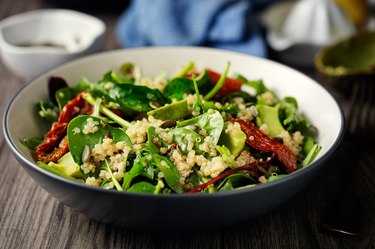
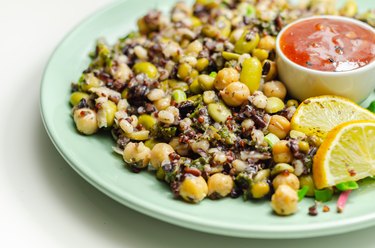
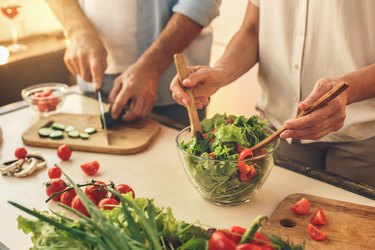
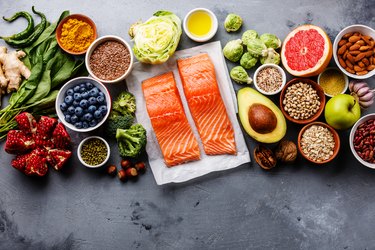
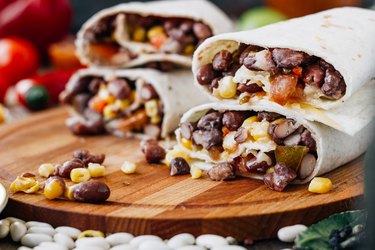
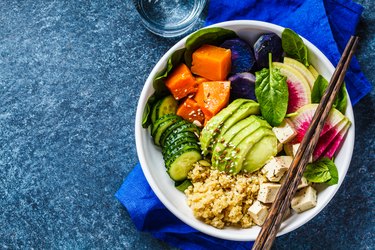
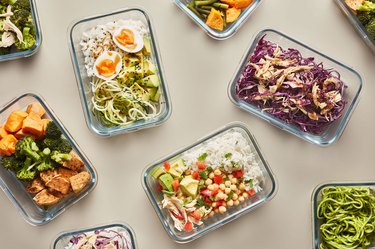
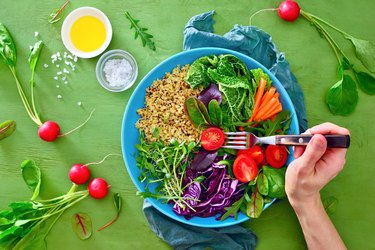
Almost all vegetables, most fruits, many herbs and some whole grains, nuts and seeds are alkaline-forming in the body. Most whole grains and legumes, almost all dairy products and all meat, poultry and fish are acid-forming. A diet emphasizing alkaline-forming foods isn't synonymous with a vegetarian diet, although a healthy vegetarian diet is usually alkalizing. Entree salads that include a wide variety of vegetables are highly alkaline-forming meals, as are additive-free vegetable soups and stews. Animal protein is still an important component of an alkaline food menu, but not its main focus. Rather than centering a meal around acid-forming chicken, beef or fish, fill your plate with alkaline-forming lentils, quinoa, wild rice or sweet potatoes, and use animal protein as a garnish.
Considerations
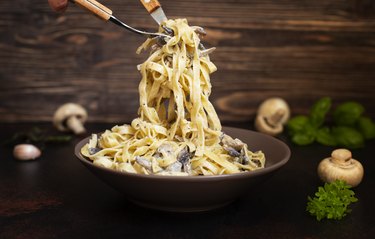
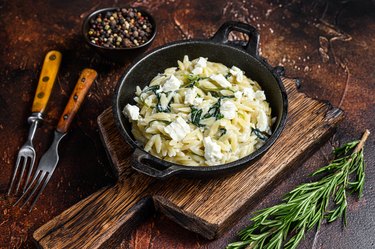
Consuming a diet that supports a balanced body pH requires you to limit, not eliminate, acid-forming foods. If you’re unwilling to give up your morning cup of coffee, drink lemon water or snack on fresh fruit throughout the day to give your body an alkalizing boost. Pasta topped with cream sauce and served with grilled chicken, a glass of wine and a sorbet dessert is an acid-forming meal because every component is highly acidifying. Instead, top the pasta with olive oil, grilled vegetables and a sprinkle of sea salt. Only the pasta is acid-forming; the olive oil, vegetables and sea salt are moderately to highly alkalizing. All alcohol is acid-forming, but if you prefer not to forego the wine, include a glass of lemon water with the meal. Sugary desserts are also acid-forming — opt for fresh fruit instead.
References
- “The Encyclopedia of Healing Foods”; Michael Murray, N.D., et al.; 2005
- “The Acid Alkaline Food Guide”; Dr. Susan E. Brown, et al.; 2006
- “The pH Balance Diet”; Bharti Vyas, et al.; 2007
- “Alkalize or Die”; Dr. Theodore A. Baroody; 1991


Member Comments