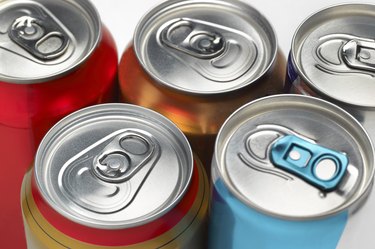
Research suggests that a link exists between regularly consuming energy drinks, and kidney damage, especially when the drinks contain large amounts of caffeine. While the products are purported to increase endurance, they have some downsides that extend beyond a possible decline in kidney function.
Tip
Consuming energy drinks regularly might harm your kidneys. Consult your doctor if you are experiencing pain or difficulty urinating.
Video of the Day
Energy Drinks and the Kidneys
An October 2015 review published in the International Journal of Health Sciences (IJHS) examined studies on energy drinks, to assess their health effects. It found that the caffeine content of these beverages increased urination, a problem that can lead to dehydration when exercising in a hot environment. Since products such as 5-Hour Energy are loaded with caffeine, it's a good idea to avoid them, and escape the negative effects they have on the kidneys.
Video of the Day
The review in the IJHS cited a case of kidney failure resulting from the ingestion of large amounts of an energy drink. It was featured in an October 2014 report in The Annals of Pharmacotherapy. Although the case involved only one person, it merits notice, because it indicates that the beverages might have the potential to cause serious harm to the kidneys.
Energy drinks may not be acceptable for people with chronic kidney disease, or those on dialysis. A March 2018 article published in the Journal of Renal Nutrition concluded that before allowing patients to consume the beverages, a dialysis dietitian or dialysis health professional should first evaluate the safety of the specific brand, and its constituents.
Adverse Effects of Energy Drinks
According to the National Center for Complementary and Integrative Health, energy drinks can have serious adverse effects, particularly in children, teens and young adults. Part of the danger stems from the action of large amounts of caffeine on the cardiovascular system. Caffeine spikes blood pressure and heart rate, and can cause a heart rhythm disturbance.
Compounding the problem, it isn't always easy to tell how much caffeine an energy drink has by reading the label. These beverages often include guarana, an ingredient which, itself, contains caffeine, and adds to the total caffeine ingested.
Aside from heart trouble, other safety concerns include nervousness and insomnia. Consumption of energy drinks is also associated with risk-taking behavior such as binge drinking alcohol, engaging in unprotected sex and consuming illicit drugs.
A December, 2017, study published in the Tropical Journal of Pharmaceutical Research showed the chronic consumption of energy drinks harmed the liver of rats. Although the study didn't involve humans, it's worth mentioning, because it raises more doubts about the safety of these products.
In 2011, 1,499 teens visited the emergency room with life-threatening consequences from energy drink consumption, reports the CDC in May 2019. Because of the potential for harm, adolescents should avoid these drinks completely, and athletes shouldn't use them for hydration purposes.
Read more: Dangers of Monster Energy Drinks
Coffee, Water and Kidney Disease
Coffee is an acceptable beverage for people who are healthy, but those with kidney disease may need to limit their consumption to moderate amounts. They should check with their dietitian first, to find out how many cups are safe to consume, notes the National Kidney Foundation (NKF).
Problems associated with drinking coffee, for people with kidney disease, stem from the beverage's considerable caffeine and potassium contents. Because caffeine briefly raises the blood pressure, drinking three or four cups per day may accelerate the decline in kidney function. In addition, patients with kidney disease are sometimes put on a low-potassium diet, so a doctor may limit their coffee intake to avoid ingesting this mineral.
What about water? Drinking water helps the kidneys get rid of wastes from the body. It also prevents severe dehydration, which can lead to kidney damage.
For these reasons, it's important for most people to drink plenty of water, especially when exercising or during hot weather. Doctors generally recommend that healthy people drink 8 glasses of clean water each day, but people with kidney failure may have to drinks less, as they aren't able to eliminate fluid well, states the NKF.
- International Journal of Health Sciences: "Energy Drink Consumption: Beneficial and Adverse Health Effects"
- The Annals of Pharmacotherapy: "Energy Drink-Induced Acute Kidney Injury"
- Journal of Renal Nutrition: "Trendy Energy Drinks and the Renal Diet"
- National Center for Complementary and Integrative Health: "Energy Drinks"
- Centers for Disease Control and Prevention: "Energy Drinks"
- National Kidney Foundation: "Coffee and Kidney Disease: Is It Safe?"
- National Kidney Foundation: "6 Tips to Be 'Water Wise' for Healthy Kidneys"
- Tropical Journal of Pharmaceutical Research: "Effects of Chronic Consumption of Energy Drinks on Liver and Kidney of Experimental Rats"