
































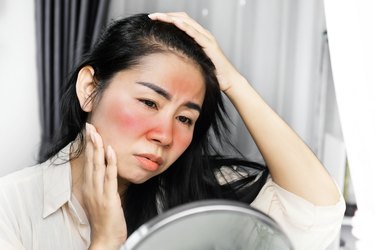









Acne involves different processes. Hormones stimulate the production of sebum or oil from sebaceous glands and some people seem to be more sensitive to these androgens than others. This oil mixes with keratin cells along the hair follicle, plugging up the pores. A natural bacterium on the skin's surface gets involved in the mix and causes inflammation. There are natural ways to reduce overactive sebaceous glands and reduce the production of sebum. Your diet, sun exposure and vitamin A creams can reduce how reactive your sebaceous glands are to circulating hormones.
Step 1
Eat a healthy diet. A diet high in fats, refined carbohydrates and sugar contributes to acne, according to the Life Extension Foundation. A diet rich in fruits and vegetables, healthy fats and whole grains will go a long way in terms of healthy skin, proper hormonal balance and natural reduction of sebum. A study conducted by Harvard School of Public Health found a link between dairy consumption and acne and as such, it may be helpful to limit your intake of milk. The hormones used in milk production may affect the hormone contributing to overactive sebaceous glands.
Step 2
Add vitamin A to your diet with cod liver oil or in supplement form. Vitamin A controls sebaceous gland activity and affects the quality of sebum. Take 10,000 IU of vitamin A twice a day and 400 IU of vitamin E once a day, recommends Dr. Des Fernandes on BeautyMagOnline. Vitamin E aids in the uptake of vitamin A.
Step 3
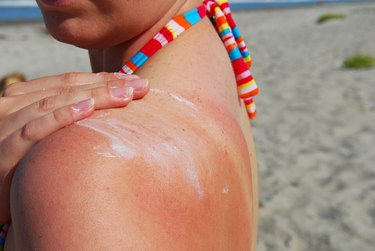
Avoid sun exposure. Dr. Des Fernandes suggests that there may be a link between rates of acne, sun exposure and vitamin A deficiency in some populations. UV light also creates a thick, horny layer of skin that can contribute to obstruction of the sebaceous glands.
Step 4
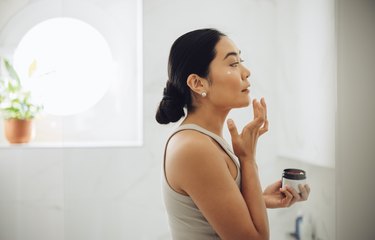
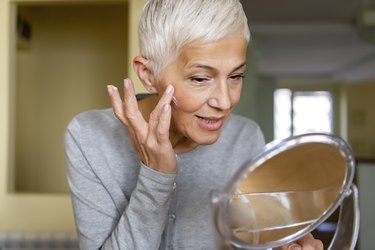
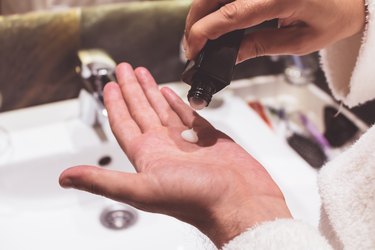
Apply topical vitamin A to your skin. Cis-retinoic acid is an isomer of vitamin A that reduces the sensitivity of sebaceous glands to androgens. Retinyl palmitate is the milder version of vitamin A found in skin creams. Retinoic acid is a stronger form of vitamin A and is harsher on the skin. If neither of these creams seems to work, ask your doctor for a prescription for cis-retinoic acid.
Step 5
Take glabridin, advises Dr. Des Fernandes. Glabridin is a supplement derived from licorice. This supplement acts as an anti-androgen. It reduces the effect hormones have on the sebaceous glands and affects the quality of sebum.
Things You'll Need
- Vitamin A and E supplements
- Topical vitamin A cream
- Glabridin supplement


Member Comments