Hypoglycemia, or low blood glucose, can cause potentially life-threatening reactions in people with diabetes. People who don't have diabetes may experience similar symptoms if they have a condition called reactive hypoglycemia, which is sometimes referred to as functional hyperglycemia or nondiabetic hypoglycemia.
What Is Reactive Hypoglycemia?
Video of the Day
Reactive hypoglycemia is low blood sugar that occurs three to four hours after eating a meal. Symptoms of the condition include hunger, weakness, shakiness, lightheadedness, anxiety and confusion, according to the Mayo Clinic. Paying close attention to your diet can help treat reactive hypoglycemia.
Video of the Day
Reactive hypoglycemia is generally diagnosed through a medical exam. Once diagnosed, the condition rarely requires medical treatment, but instead benefits from a thoughtful eating plan.
Hypoglycemia is diagnosed by measuring blood glucose when you are having symptoms, according to UW Health. If your blood glucose is below normal (less than 70 mg/dL) and the symptoms disappear when you eat food, reactive hypoglycemia is most often the cause of your symptoms.
Reactive Hypoglycemia Diet Plan
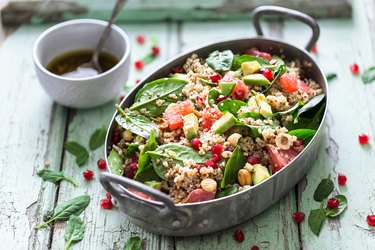
Making changes to your diet can help treat reactive hypoglycemia. To best manage a reactive hypoglycemia diet, you'll want to eat small, frequent meals high in fiber — going no more than three hours without a meal during waking hours, per the Mayo Clinic.
Follow along with the eating do's and don'ts below for some sound guidelines to stick to when treating reactive hypoglycemia.
1. Do: Include Whole Grains
Whole grains provide carbohydrates, fiber, vitamins and minerals. Carbohydrates in food turn into sugar and raise blood sugars to provide a quick boost in energy. The fiber in whole grain helps slow the release of the sugar into the bloodstream, and a slower release of sugar helps keep the blood sugar level consistent, per the Jackson-Siegelbaum Gastroenterology Group.
While it may sometimes be difficult to distinguish whole-grain food sources from imposters, you can count on the following foods to be truly whole-grain, per the Mayo Clinic:
- Barley
- Brown rice
- Buckwheat
- Bulgur
- Millet
- Oatmeal
- Popcorn
- Whole-wheat bread
- Whole-wheat pasta
- Whole-wheat crackers
2. Don't: Eat a Lot of Carbohydrates at Once
While whole grains can help prevent symptoms of reactive hypoglycemia, it's important to be mindful of your carbohydrate intake. You'll want to spread out your consumption of these foods throughout the day, per UW Health. Eating a large number of carbs can cause your body to produce excess insulin, which can cause glucose levels to sharply drop.
To regulate the glucose in your bloodstream, eat smaller meals every three to four hours. You should aim for two to four servings of carbs at each meal (30 to 60 grams) and one to two servings (15 to 30 grams) at snack times, according to UW Health.
Tip
One carbohydrate serving is equal to 15 grams of total carbohydrates, per the UW Health. The following foods are approximately one carbohydrate serving (or 15 grams of total carbohydrates):
- 1 small apple
- 1/2 cup rice or pasta
- 1 regular slice of bread
- 1 cup plain, light or Greek yogurt
3. Do: Choose Whole Fruits
Fruit is another great source of fiber, vitamins and minerals. People with reactive hypoglycemia should choose whole fruit over its juice because the former contains more fiber.
4. Don't: Drink Your Fruit
Drinking juice leads to a rapid rise and then fall in blood sugar, according to the Jackson-Siegelbaum Gastroenterology Group. Fruits high in soluble fiber slow down stomach emptying and also slow the release of sugar into the bloodstream.
Fruits high in soluble fiber include:
- Oranges
- Apples
- Strawberries
- Pears
Other healthy fruit choices for reactive hypoglycemia include:
- Melons
- Berries
- Grapes
- Plums
- Peaches
5. Do: Eat Your Veggies
Vegetables contain only small amounts of carbohydrates while acting as a good source of fiber to help slow digestion. Some healthy vegetable picks for reactive hypoglycemia include:
- Brussels sprouts
- White and sweet potatoes with skin
- Carrots
- Spinach
- Broccoli
- Green beans
- Lettuce
- Cucumbers
- Asparagus
- Corn
- Peas,
- Legumes
- Mushrooms
- Eggplant
Legumes (beans) provide double the benefit because they also offer protein, which takes the body longer to digest. This can help prevent the low blood sugar that comes with reactive hypoglycemia.
6. Do: Add Some Dairy
Dairy provides protein, carbohydrates, vitamins and minerals and also helps control blood sugar for reactive hypoglycemia. Healthy choices include:
- Nonfat milk
- 1 percent milk
- Nonfat and low-fat yogurt
- Low-fat cheeses
7. Do: Eat Lean Meats and Non-Animal Proteins
Including a lean meat or non-animal protein with each meal can help you prevent low blood sugar, according to the Jackson-Siegelbaum Gastroenterology Group.
Good lean meat choices for reactive hypoglycemia include:
- Poultry
- Fish
- Pork chops
- Beef eye of round
- Lamb chops
- Veal
Meat substitutes on a hypoglycemia food list can include:
- Eggs
- Peanut butter
- Nuts
- Tofu
8. Do: Choose Healthy Fats
Fat is important for any diet, and the ideal kind for people with hyperglycemia tends to come from the following foods:
- Nuts
- Seeds
- Avocado oil
- Olive oil
Fats are digested slowly and can help balance blood sugar, according to UW Health. You'll want to enjoy fats in small amounts because they are also high in calories and can lead to weight gain.
Related Reading
The Best Snacks for Reactive Hypoglycemia
The best snacks for low blood sugar are those that include lean protein because our bodies break down this nutrient more slowly than carbohydrates. Skinless poultry, fish, low-fat cheese, eggs, peanut butter and soy-based foods are all smart items to keep on hand, according to UW Health.
Some smart snacking ideas include:
1. Yogurt and Fruit
Yogurt free of added sugar supplies protein and fats. Add fresh fruit for fiber, and you have a snack that will add carbohydrates for energy along with the protein, fat and fiber that slow glucose metabolism.
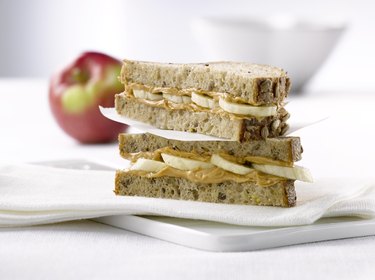
2. Peanut Butter and Whole-Wheat Bread
Whole wheat has a lower glycemic load than refined grains, which remove the fiber from the grain. Peanut butter contains both protein and fat. Pairing whole grains with protein and fats keeps your blood sugar stable for a longer time.
Skip pre-packaged peanut butter and crackers, and instead stick to a homemade version so you can portion properly.
3. Fruit and Cheese
Fruits that have a low-glycemic load, like apples, pear and oranges, are a good pick for people with reactive hyperglycemia. Adding a piece of cheese to a fruit snack supplies protein and fat, both of which also break down more slowly and keep blood sugars stable.
4. Non-Perishable Snacks
While foods like Greek yogurt, hummus and fresh fruit are good for snacking, it's important to stash some non-perishable foods in your purse, car or backpack to prevent or treat low blood sugar symptoms. Consider the following for convenient, in-case-of-emergency fuel:
- Granola bars with protein
- Trail mix
- Mixed nuts
- Nut butters in single-serving pouches
Keeping these foods on hand will serve you well, and help you avoid needing to grab a high-calorie candy bar from the vending machine.
Related Reading
Foods to Avoid When You Have Reactive Hypoglycemia

There are certain foods that can worsen symptoms of hyperglycemia. Foods high in sugar can cause a rapid increase in blood glucose, which may lead to an excessive increase of insulin, causing a rapid fall in blood glucose, per UW Health. The following foods tend to be very high in sugar:
- Pastries, baked goods, cookies, cakes and pies
- Sodas, juices and sweetened beverages
- Sweet tea and flavored coffee
- Ice cream and frozen yogurt
- Candy
- Jelly and jams
- Maple syrup, corn syrup and pancake syrup
If you do eat something sweet, try to eat it alongside a meal. Doing so can reduce the effects of the sugar, according to UW Health.
You'll also want to limit or avoid both caffeine and alcohol. Caffeine's effects include an increase in adrenaline and can cause the same symptoms as low blood sugar, while alcohol can cause low blood sugar. If you do choose to drink alcohol, do so in small amounts and always consume it with food.
Related Reading
Is this an emergency? If you are experiencing serious medical symptoms, please see the National Library of Medicine’s list of signs you need emergency medical attention or call 911.