








































According to a study published in the journal "Physiotherapy Canada" in 2008, exercise-based physical therapy can be highly beneficial for children with autism. The study concluded that a variety of physical therapy exercises actually led to a short-term reduction in stereotypical autistic behavior in children with autism spectrum disorder. Discuss physical therapy with your child's doctor and case manager, who can give professional advice specific to your child's situation.
Autism
Autistic spectrum disorder is a developmental disorder that causes a child to behave in odd and often disturbing ways in reaction to his surroundings. Autism is fairly common; according to 2010 statistics from the Centers for Disease Control and Prevention, one in 110 children in the United States is diagnosed with some form of autism. Although there is no cure for autism as of 2011, various treatments have been seen to help diminish behaviors associated with autism, including physical therapy involving strenuous exercise.
Autism and Exercise
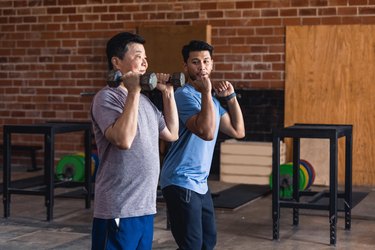
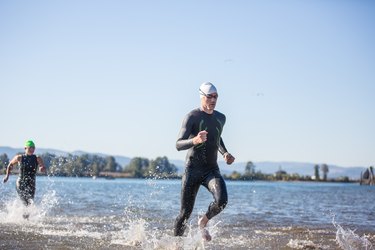
Research has found that vigorous physical activity can be a highly effective form of autism treatment. One such study, published in 1982 in the "Journal of Autism and Developmental Disorders," found that jogging sessions resulted in a decrease in self-stimulatory behaviors and also led to an increase in appropriate play and academic responding. One theory as to why exercise diminishes this type of behavior is that structured routines and repetitive activity such as running and swimming are similar to the repetitive behaviors associated with autism and serve as more constructive forms of replacement behavior.
Equine Therapy
Equine therapy, also known as hippotherapy, is typically part of a larger therapy program that involves therapeutic horseback riding. This type of therapy has seen to be particularly helpful for autistic children, as the the multidimensional rhythmic movement of a horse closely mirrors the gait of human walking. An autistic child generally won't use a saddle during hippotherapy, the Aspen Education Group explains on its website, as this allows the child to better experience the horse's movements and leads to a greater awareness of where his body is in relation to the horse. In this way, equine therapy can help improve autistic child's sense of his own body in space.
Aquatic Exercises
Another form of physical therapy exercise commonly used to treat autism is aquatic therapy, which generally takes place in a swimming pool. The pressure of warm water pressing against their bodies can soothe autistic children, providing a calming form of sensory input while children perform exercises designed to improve range of motion and overall mobility. As recreational therapist Laurie Jake points out, warm water reduces body weight by 90 percent, decreases the force of impact on the body, relaxes muscles and reduces spasticity, making water "the ideal medium in which to exercise or rehabilitate the body."
References
- "Physiotherapy Canada"; Effects of Exercise Interventions on Stereotypic Behaviours in Children with Autism Spectrum Disorder; Christopher Petrus, et al.; October 2008
- Centers for Disease Control and Prevention: Autism Spectrum Disorders (ASD)
- Aspen Education Group: Equine Therapy for Autistic and Asperger's Syndrome Kids
- Autism Speaks; Sports, Exercise, and the Benefits of Physical Activity for Individuals with Autism; Geraldine Dawson, Ph.D., et al.
- Therapeutic Recreation Directory; Autism and the role of Aquatic Therapy in Recreational Therapy Treatment Services; Laurie Jake; Sept. 1, 2003
- "Journal of Autism and Developmental Disorders;" The Effects of Physical Exercise on Self-Stimulation and Appropriate Responding in Autistic Children; L. Kern, et al.; December 1982


