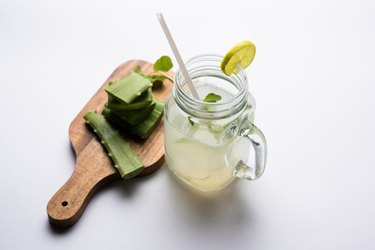
Using aloe vera for ulcer relief is not recommended, for either peptic ulcers or mouth ulcers. There is little evidence that the method works, and there are plenty of effective treatments for both types of ulcer.
Tip
Ingesting aloe vera for ulcer relief could cause a laxative effect and abdominal cramps if you accidentally consume the latex part of the plant. Take antacids for quick ulcer pain relief, and talk to your doctor about other treatment options.
Video of the Day
What Are Peptic Ulcers?
Peptic ulcers are open sores in your digestive system. Gastric ulcers form in the lining of your stomach, and duodenal ulcers occur in your duodenum (the first part of your small intestine). Symptoms of gastric ulcers include burning stomach pain, nausea, heartburn, intolerance to fatty food and feeling uncomfortably full or bloated.
Video of the Day
There are two common potential causes for peptic ulcers. One is the over-use of nonsteroidal anti-inflammatory drugs (NSAIDS) like ibuprofen and aspirin. The second is an infection caused by H. pylori bacteria.
According to the Mayo Clinic, H. pylori bacteria are commonly found in a mucus layer in the stomach and small intestines and often do not cause symptoms. However, in some cases, the bacteria can damage the mucus, allowing stomach acid to irritate the lining of the stomach or duodenum. This irritation can lead to ulcers.
NSAIDs typically prevent inflammation, pain and fever. According to the National Institute of Diabetes and Digestive and Kidney Diseases, NSAIDs work by blocking certain enzymes associated with inflammation, pain and fever. However, the blocked enzyme is also involved in protecting the lining of your stomach from stomach acid. Thus, blocking that enzyme through NSAID use makes it more likely that you will develop a peptic ulcer.
Read more: Foods That Alleviate Pain of an Ulcer
What Are Mouth Ulcers?
Mouth ulcers, also known as canker sores, occur on the inside of your cheeks and lips. Harvard Health says that there's no single clear cause for canker sores. They can occur if you accidentally bite the inside of your mouth or if braces or dentures irritate your mouth lining. Other possible causes include stress, gluten intolerance and a vitamin B12 deficiency.
Canker sores typically heal on their own within 10 to 14 days, and there are some over-the-counter treatments that may speed up the healing process. Mount Sinai Health recommends rinsing your mouth with salt water, or using a cotton swab to dab a mixture of half hydrogen peroxide and half water onto the sore.
Seek medical assistance if you have a mouth ulcer that lasts longer than two weeks or seems to be worsening over time. Mount Sinai also recommends speaking with your doctor if you have canker sores more than two to three times per year, or if you have other symptoms like diarrhea, fever, skin rash or headache along with a mouth ulcer.
Read more: How to Get Rid of Mouth Ulcers
Peptic Ulcer Treatment
The best treatment for a peptic ulcer depends on what is causing the ulcer. If your ulcer was caused by overusing NSAIDs, your doctor will likely recommend that you cut down or stop using NSAIDs entirely — even if NSAIDs would be your preferred painkiller for quick ulcer pain relief. Medications that may help treat peptic ulcers include:
- Medications that block or reduce the amount of stomach acid your body produces, which gives ulcers the chance to heal. Proton pump inhibitors (PPIs) like omeprazole (Prilosec), esomeprazole (Nexium) and lansoprazole (Prevacid) inhibit stomach acid secretion.
- Acid blockers, also called H2 blockers, prevent an inflammatory agent called histamine from stimulating stomach acid production. Common H2 blockers include ranitidine (Zantac), famotidine (Pepcid), nizatidine (Axid) and cimetidine (Tagamet).
- Antacids can offer fast-acting relief by reducing excess stomach acid and can be a good choice for quick ulcer pain relief. Antacids like Tums and Pepto-Bismol are widely available over-the-counter.
- Antibiotics can help treat an H. pylori infection. Common options include amoxicillin, clarithromycin and tetracycline. Your doctor will decide which antibiotics are the best choice for you. If you are prescribed antibiotics, it's crucial that you finish the entire course of medication. Plus, check with your doctor to see if any supplements you are taking could interact with the antibiotics.
Aloe Vera for Ulcers
There are anecdotal reports of people using aloe vera for ulcer treatment, but this method has not been scientifically tested. In fact, taking aloe vera for ulcers may even exacerbate stomach problems caused by a peptic ulcer.
The latex component of aloe vera has laxative properties, caused by a compound called aloin. According to the National Toxicology Program, there is very little information available about the aloin content of consumer aloe vera drinks and supplements. And if you are preparing aloe vera gel for consumption, failure to properly rinse the latex from the gel can result in aloin intake.
Applying aloe vera to mouth ulcers may also cause you to accidentally ingest aloe vera latex, leading to gastrointestinal distress. Instead, try using over-the-counter mouth ulcer remedies or asking your doctor what he recommends.
Recommended Food for Ulcer Relief
Instead of taking aloe vera for ulcers, you can make a number of changes to your diet. One helpful food for ulcer relief: Polyphenol-rich fruits and veggies. According to a review of literature published in the World Journal of Gastroenterology in June 2015, polyphenol compounds that occur naturally in fresh produce can help prevent or treat peptic ulcers.
The paper states that good sources of polyphenols include apples, grapes, green tea, cumin and pomegranates. The authors noted that a polyphenol-rich diet has almost no side effects, unlike medicinal treatments for peptic ulcers which can cause gastrointestinal problems like nausea and bloating.
Plus, a diet rich in fruits and vegetables has other health benefits. It may reduce your risk of heart disease, Type 2 diabetes, high cholesterol, high blood pressure, kidney stones and certain types of cancer.
You can also try probiotic foods for ulcer relief. The Mayo Clinic recommends miso, sauerkraut and yogurt. Other probiotic-rich foods include kombucha, kimchi and kefir. Kefir, a fermented yogurt drink, has anti-inflammatory properties.
- Mayo Clinic: "Peptic Ulcer"
- Harvard Health: "How Should I Treat Canker Sores?"
- Mount Sinai Health: "Canker Sore"
- MedlinePlus: "Proton Pump Inhibitors"
- World Journal of Gastroenterology: "Role of Dietary Polyphenols in the Management of Peptic Ulcer"
- National Toxicology Program: "Aloe Vera"
- National Institute of Diabetes and Digestive and Kidney Diseases: "Symptoms & Causes of Peptic Ulcers"