

















































Jock Itch in Children

Jock Itch in Children
Photo Credit PhotoObjects.net/PhotoObjects.net/Getty Images

Jock itch is a fungal infection. It typically affects the skin in your child's thighs, genital area or buttocks. This condition causes a ring-shaped rash on the body. Anyone can get this infection. However, children who wear tight underwear, sweat heavily or have an impaired immune system are at higher risk, according to MayoClinic.com. Recognizing the symptoms and seeking treatment will make your child more comfortable -- and reduce risk for future infection.

Symptoms

If your child has jock itch, he might notice itching and redness in the groin area. Your child might also have itching in the anal area and peeling or cracking skin. A child with jock itch might feel uncomfortable in his clothing. He might also feel uncomfortable during physical activity, such as walking. Activity causes clothing to rub against the affected area, causing discomfort.

Over-the-Counter Treatments

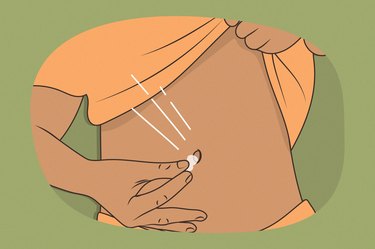
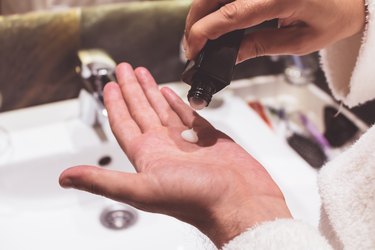
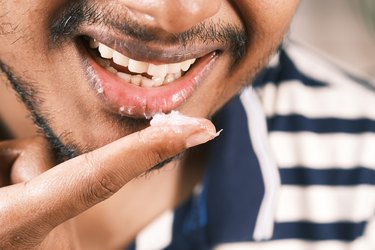
Jock itch in children is treated with over-the-counter antifungal creams, such as allylamines or azoles. Have your child wash and dry the affected area with a towel. Once the area is dry, apply the antifungal cream as directed.

Typically, your child will need to apply the cream twice daily for at least two weeks. Even if the jock itch symptoms get better, encourage your child to continue applying the cream. Otherwise, the infection may return.

Prescription Treatments

If your child's symptoms don't get better with over-the-counter treatments, contact his doctor. Your doctor can prescribe topical medications, such as econazole. These medications are applied like over-the-counter creams; however, they're stronger. Another option is oral antifungal medications, such as itraconazole, terbinafine or fluconazole. Take the medications as directed by your doctor. Like over-the-counter medications, don't discontinue use early. Doing this might cause the infection to come back again.

Prevention

Jock itch thrives in moist warm environments. Encourage your child to change underclothing daily. Change underwear a second time if he gets sweaty during sports or physical activity. Also, use underwear made from breathable fabrics, such as cotton. Remind your child not to share towels or other personal items with friends to prevent further possible exposure.

References

Article reviewed by Debbie C Last updated on: Aug 24, 2011

Must see: Photo Galleries