




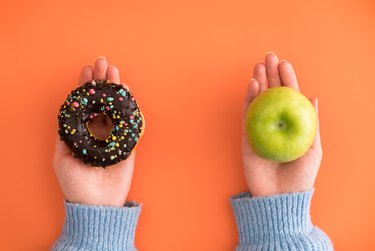






















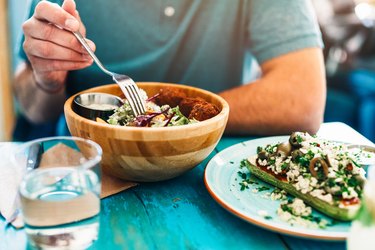







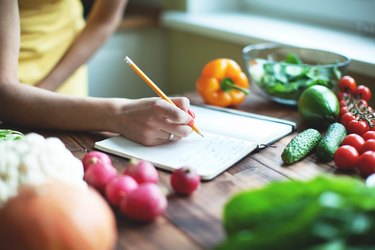
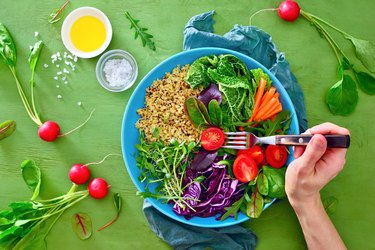
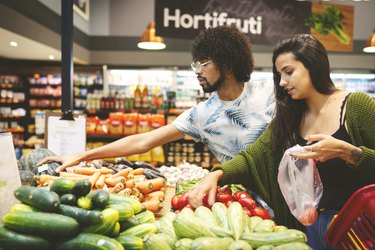
Glucose represents the primary source of fuel for your body, and carbohydrates are your main supplier. Carbohydrate-containing foods like canned fruit or white pasta, which are a form of sugar and starch, metabolize into glucose and get sent to your bloodstream rather quickly, resulting in a rapid blood sugar spike. Glucose levels can fluctuate for a variety of reasons depending on your dietary and fitness habits, but maintaining stable glucose levels by slowing its absorption is key for sustaining healthy energy throughout the day. Slow glucose absorption is also imperative for managing metabolic syndromes like diabetes.
Step 1
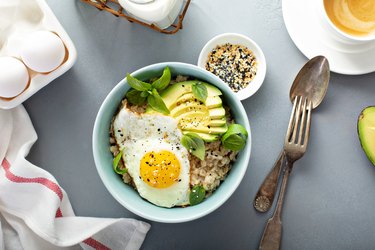
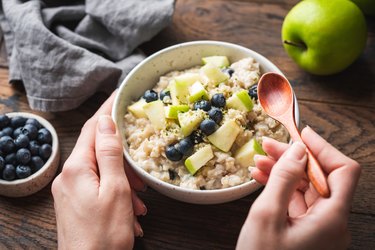
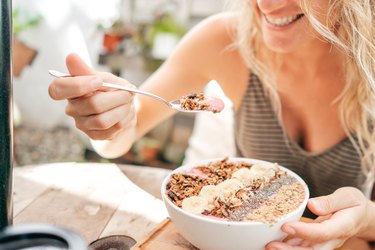
Eat a bowl of oatmeal or bran cereal for breakfast. Soluble fiber, such as that found in whole grains like oatmeal or bran foods, slows the breakdown of the carbohydrate sugars into the single sugar molecule glucose. Ultimately slowing the digestive process also allows the glucose to gradually absorb from your small intestine into your bloodstream.
Step 2
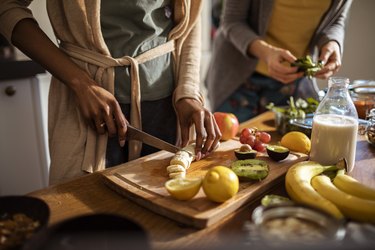
Add an unsaturated fat to your mid-morning snack. A medium apple with skin has fiber, and if you add a handful of almonds the unsaturated fat in the nuts helps slow glucose absorption. When pairing fats with your meals, choose healthy versions like omega-3 fatty acids or foods low in saturated fat to maintain heart health.
Step 3
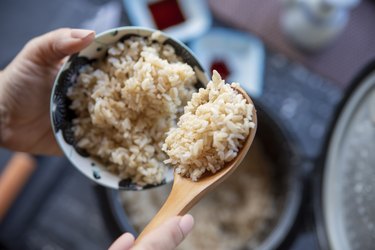
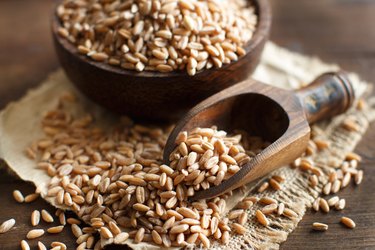
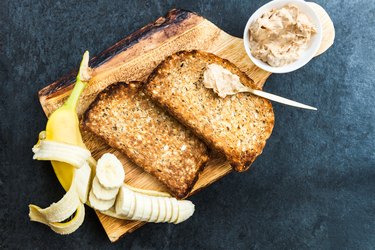
Choose wheat bread or pasta and brown rice to go with your meals instead of refined white grains. Grains are a form of starch, but whole grains take longer to metabolize, thus slowing glucose absorption. Add a 1.5 cup of wheat pasta or brown rice as a side dish or eat your lunch sandwich with two slices of wheat bread.
Step 4
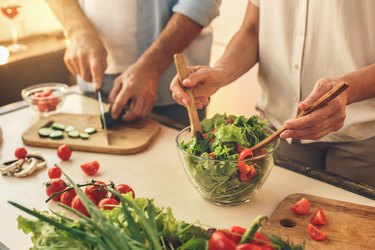
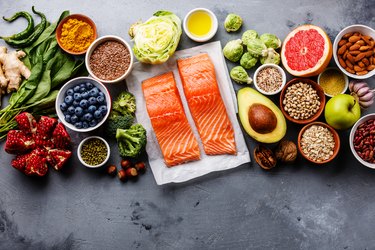
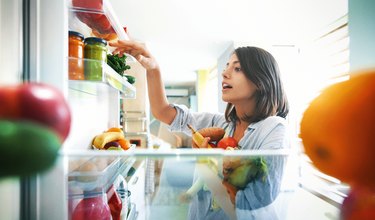
Eat vegetables raw or lightly cooked. Broccoli, zucchini, green beans, cucumber and squash make nutritious fibrous side dishes. Snack on raw broccoli or cucumber dipped in olive oil, which is a source of omega-3 fatty acid, or lightly saute the vegetables to go with your meal. Avoid overcooking vegetables because this speeds up glucose absorption.
Step 5
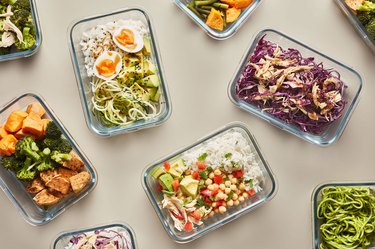
Consume smaller portioned meals frequently throughout the day. Pair vegetables with a lean protein, low-fat food and a whole grain in each meal but choose smaller portions. Eat three main meals and two snacks in between to sustain energy and keep your glucose levels stable.
Step 6
Try a low glycemic index eating plan. The glycemic index classifies carbohydrate-containing foods into groups based on the potential to raise your blood glucose level slowly, moderately or rapidly. Following this eating pattern may require practice initially or help from a dietitian but it may result in long-term blood glucose management. Consult your physician for recommendations and details before trying this diet.
Step 7
Talk to your physician about taking hydroxycitric acid, or HCA. According to the American Physiological Society, the supplement HCA may help delay glucose absorption when taken regularly. However, studies are ongoing to evidence long-term effects and you should consult your physician for recommendations.
Tips and Warnings
- Fresh produce and whole grains are a natural source of carbohydrate energy that is also low calorie. Opt for fresh produce instead of canned or frozen varieties, which may have added sugars.
- Processed and packaged foods with added sugars tend to cause rapid glucose absorption and should be minimized in your diet if you are trying to maintain stable glucose levels. Do not take supplements or attempt new diets without first consulting your physician for safety.


