If you have too much uric acid in your blood, or hyperuricemia, you are at greater risk for kidney stones or gout, a form of inflammatory arthritis. And changing your diet may help. Since uric acid is a byproduct of purine metabolism -- a substance made by the body and found in certain foods -- limiting specific purine-rich foods is one step to lowering uric acid levels. Drinking more water, including low-fat dairy products, and emphasizing a diet rich in fruits and vegetables can also help reduce serum levels of this compound.
Beverages
Video of the Day
What you drink matters, and drinking plenty of water is important. Dehydration raises uric acid levels, and can increase the risk of related conditions such as gout or kidney stones. Low-fat and nonfat milk and low-calorie yogurt have also been associated with a decrease in uric acid levels. The precise mechanism is not known, although these dairy products are thought to lower blood levels by facilitating a greater urinary loss of uric acid. Alcoholic beverages and sugar-sweetened soft drinks, on the other hand, increase uric acid levels and the risk of gout.
Video of the Day
Cherries
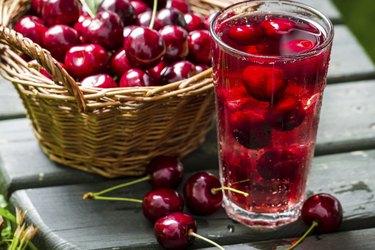
Cherries have a reputation for reducing the risk of gout, a disorder linked to high uric acid levels. A study of 633 individuals found that any amount of cherry consumption over a 2-day period was associated with a 35 percent reduction in the risk of a gout attack, compared to study participants with no cherry intake. The mechanism of action is unclear, but study authors suggest components in cherries reduce uric acid levels, or decrease the risk of gout by anti-inflammatory mechanisms. More research is needed to better understand the role of cherries in the management of hyperuricemia.
Fruits and Vegetables
All fruits are naturally low in purine, although vegetables have varying amounts of this compound. Historically, high purine vegetables -- such as asparagus, cauliflower, lentils, spinach and beans -- have been restricted in the diets of people with gout and hyperuricemia. However, recent research has shown that these vegetables do not worsen uric acid levels, nor increase the risk of gout. In addition, eating more fruits and vegetables can lead to an alkaline urine, which is known to enhance the urinary excretion of uric acid. So emphasizing fruits and vegetables may help lower uric acid levels.
Diet Patterns
A plant-centered food pattern may also be an effective strategy to reducing uric acid levels. A study which compared the typical American diet to the DASH diet, from the Dietary Approaches to Stop Hypertension research trials, found the DASH plan normalized serum uric acid in half of the participants who started the study with elevated levels. The DASH eating plan limits meat, poultry and fish to 6 ounces or less daily, includes 2 to 3 servings of low-fat or nonfat dairy, 8 to 10 daily servings of fruits and vegetables and emphasizes whole grains, nuts, seeds and beans. The DASH plan may not be the only one that works, however. Other diet patterns that emphasize plant-based foods, including the Mediterranean diet and a traditional Chinese pattern, have been shown to reduce uric acid levels.
Warnings
If you have hyperuricemia, your doctor will evaluate the cause and outline a personalized management plan. Diet intervention is usually advised, which may also recommend the restriction of meat and seafood, and the avoidance of high purine foods such as organ meats. For optimal effectiveness, your doctor may also recommend medications to lower uric acid levels. If you have any questions on how to lower your uric acid, speak with your doctor.
Reviewed by Kay Peck, MPH RD
- American Family Physician: Diagnosis, Treatment, and Prevention of Gout
- Arthritis and Rheumatism: Cherry Consumption and the Risk of Recurrent Gout Attacks
- Clinical Rheumatology: DASH Diet and Change in Serum Uric Acid over Time
- Scandinavian Journal of Rheumatology: Adherence to the Mediterranean Diet and Serum Uric Acid: The ATTICA Study.
- Medicine: Dietary Patterns Associated Hyperuricemia Among Chinese Aged 45 to 59 Years: An Observational Study
- PLOS One: The Association of Dietary Intake of Purine-Rich Vegetables, Sugar-Sweetened Beverages and Dairy with Plasma Urate, in a Cross-Sectional Study
- The New England Journal of Medicine: Purine-Rich Foods, Dairy and Protein Intake, and the Risk of Gout in Men
- Nutrition Journal: Effect of Urine pH Changed by Dietary Intervention on Uric Acid Clearance Mechanism of pH-Dependent Excretion of Urinary Uric Acid
- Current Opinion in Rheumatology: Risk Factors for Gout and Prevention: A Systematic Review of the Literature
- National Institutes of Health: National Heart, Lung and Blood Institute: The DASH Eating Plan
Is this an emergency? If you are experiencing serious medical symptoms, please see the National Library of Medicine’s list of signs you need emergency medical attention or call 911.