










































Does Oatmeal Help Flush Your Body From Bad Cholesterol & Keep Arteries Clean?

Does Oatmeal Help Flush Your Body From Bad Cholesterol & Keep Arteries Clean?
Photo Credit Jupiterimages/liquidlibrary/Getty Images

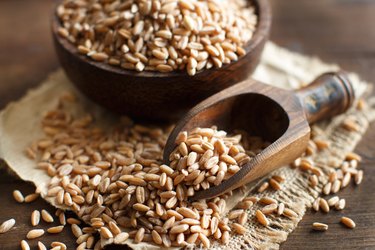
Oats were introduced to North America in the early 1600s and primarily used as feed for livestock. As a food product, oats were not favored because of tasting bland, but gradually oats became a major crop that made its way into breakfast cereals and breads. Hundreds of varieties of oats exist with the common oat, or Avena sativa, being the likely variety you buy and use to make oatmeal. With a host of nutrition benefits, oats are gaining credence as a cholesterol-lowering food.

Bad Cholesterol and Arterial Damage

Cholesterol, a fatlike substance created by your liver, helps in the absorption of nutrients, insulates cells and makes hormones. Your body produces all of the cholesterol it needs to perform these functions, but consuming foods high in fat, typically from animal sources, increases cholesterol levels in the bloodstream. Low-density lipoprotein is the bad type of cholesterol you get from fatty foods and over time it builds up inside your arteries, forming a plaque that blocks blood flow. The plaque eventually hardens and narrows the arteries and can rupture, resulting in a blood clot, or completely block the artery and lead to heart attack or stroke.

Research on Oatmeal and Cholesterol

According to a study published in March 2007 in "Nutrition Journal," the soluble fiber, beta-glucan, which is prominent in oats or oatmeal, significantly reduces LDL cholesterol levels when eaten regularly. The study included 90 randomly assigned patients with a history of high cholesterol to get a placebo or treatment, which contained 6 grams of concentrated beta-glucan from oats per day. The placebo group had no changes in cholesterol level but the treatment group had a significant drop in LDL levels. Similarly, a study published in February 2010 in the "Journal of the American Dietetic Association," found that 144 randomly assigned participants with high cholesterol and obesity had significantly lower cholesterol levels with a diet inclusive of whole-grain oats, in as little as four weeks from the start of treatment.

Soluble Fiber and Beta-Glucan

The words soluble and viscous are used interchangeably to describe a characteristic of fiber. Soluble fiber, the more commonly used term, indicates that the fiber disperses in water. Viscosity means the fiber forms a gel-like solution when mixed with water. Beta-glucans are the molecules present in oats that disperse and bind with digestive bile acids then form a viscous solution, which gets excreted from your body as waste. The bile acids are made from cholesterol that is stored in your liver. Since beta-glucan binds to the bile and is eliminated from your body, the liver has to use the cholesterol present in your arteries to create more bile. Cholesterol pulled from the arteries binds to the beta-glucan from oats and eliminates from your body, lessening the circulating cholesterol in your bloodstream.

Eat a Bowl Each Day

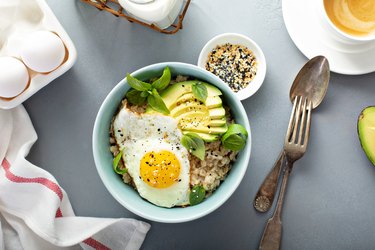
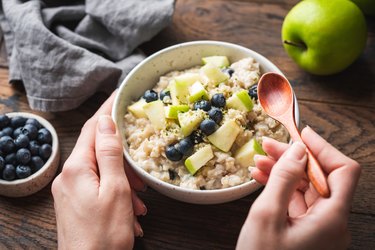
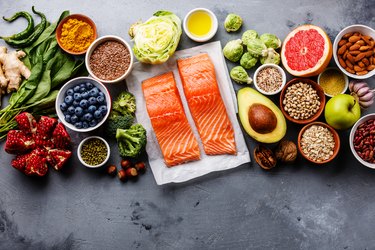
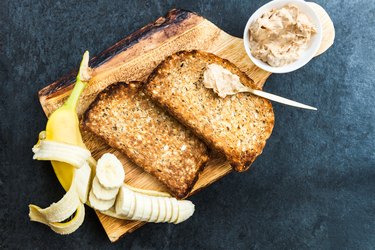
One bowl of oatmeal, around 1 1/2 cups, once a day, can help lower your LDL. This amount of oatmeal equates to 6 grams of fiber and you should aim for 5 to 10 grams of soluble fiber per day to cause a significant reduction in your LDL, notes MayoClinic.com. Add flavor to your oatmeal with a dash of cinnamon or slices of banana or strawberries. Optimize your artery health and cholesterol-lowering efforts by limiting saturated fats, maintaining a healthy weight and exercising regularly.

References

Article reviewed by Elizabeth Ahders Last updated on: Sep 1, 2011

Must see: Photo Galleries