


























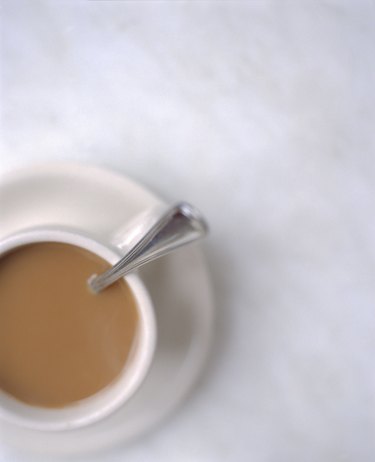


















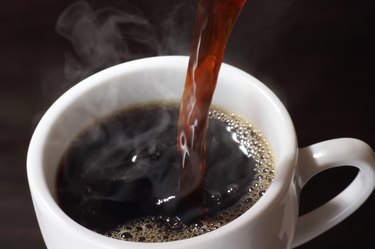
Many people drink caffeinated beverages such as coffee, tea and energy drinks for a boost of energy to start the day or stay awake and focused throughout the day or evening. Caffeine stimulates your central nervous system, so it can make you feel more alert and energized, but excess use of caffeine can result in a variety of negative side effects.
Caffeine Intake
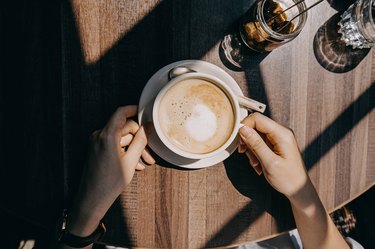
Most individuals can consume between 200 and 300 milligrams of caffeine per day without experiencing serious side effects. Caffeine content for beverages can vary widely depending on the size and brand of the drink, but in general you can drink approximately two 8-ounce servings of coffee or three 8-ounce servings of tea per day. Soda and energy drinks may also contain caffeine, and these should generally be limited to no more than four 12-ounce servings per day.
Physical Effects of Excess Caffeine
Ingesting more than 500 to 600 mg of caffeine per day is considered heavy use and may lead to physical side effects caused by both the addictive potential and stimulating effects of caffeine. Heavy use and abuse may result in restlessness, rapid heart rate, nausea, muscle tremors and insomnia. Lack of sleep from caffeine use can lead to ongoing sleep disturbances, fatigue, and a decline in physical performance and energy levels.
Caffeine Addiction and Mood
Caffeine abuse can eventually lead to addiction, and you will need to ingest caffeine on a regular basis to avoid unpleasant withdrawal symptoms and mood changes. Caffeine abuse can lead to psychological symptoms such as anxiety and irritability, and withdrawal from caffeine causes marked nervousness and depression leading to reduced motivation and sleeplessness.
Expert Insights
The Mayo Clinic notes that careful regulation of caffeine intake is the best way to avoid the potential of abuse and addiction. If you are already consuming large amounts of caffeine and suffering from symptoms, you should gradually reduce your daily consumption by selecting beverages with a lower caffeine content and alternating coffee or teas with decaffeinated or caffeine-free options such as decaf coffee, herbal teas or water.


Member Comments