




































































Rashes That You Get Out of Swimming

Rashes That You Get Out of Swimming
Photo Credit Jupiterimages/Brand X Pictures/Getty Images

Swimming is one of many recreational ways that you can have fun and get aerobic exercise at the same time. However, when swimming in ponds, lakes and even certain parts of the ocean, you don't have the protection of chemicals to help combat microorganisms that can infect your skin. As a result, rashes commonly referred to as swimmer's itch can develop.

Parasites

Rashes from swimming typically develop due to a parasitic infection, more specifically, infection from larval parasites called cercaria. These parasites typically start with snails and move to aquatic birds, such as ducks, geese and swans, once they mature. While humans are not suitable hosts for the parasite, this does not stop them from burrowing into your skin as you come into contact with them through swimming. This causes your immune system to react to the parasites, resulting in an itchy rash on the skin around the parasite-infected area.

Signs

Signs of swimmer's itch typically develop within a couple of hours of exposure. Not all swimmers develop a rash from the parasite, but as the skin comes into contact with the parasite in greater numbers, such as continually swimming in the same infected area, your skin can become more sensitive to the parasite, causing a more severe reaction. Reactions typically include a raised red rash that starts itching a few hours after swimming and continues for more than a few days.

Treatment

Swimmer's itch typically clears up on its own within a few days and rarely lasts more than 14, according to the American Osteopathic College of Dermatology. This is because human skin is not an appropriate host for the parasite, causing it to die eventually. However, itching can be controlled through an over-the-counter anti-itch cream with calamine, an antihistamine or the application of a corticosteroid cream to the area of the rash. If the rash is severe, or if you are unsure if it is associated with a swimmer's itch parasite, talk to your doctor about other possible causes as well as other treatment options.

Prevention

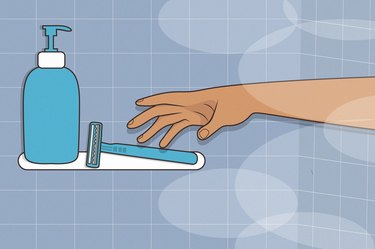
There are several ways you can help prevent rashes from swimming. First, avoid marshy areas or shallow areas, which are the perfect habitat for snails that can harbor the parasite. Also avoid swimming areas where signs are posted suggesting the possibility of swimmer's itch. Regardless of where you swim, avoid lying around in your bathing suit after you are done swimming. As soon as you can, remove the suit and wash your body with soap to help remove any parasites that may be on the surface of your skin, then vigorously dry your skin with a towel, suggests MayoClinic.com.

References

Article reviewed by Adela McKay Last updated on: Sep 2, 2011

Must see: Photo Galleries

Member Comments