

























































1. Understand MSRA
Methicillin resistant staphlococcus aureus (MRSA) is a staph bacteria that is resistant to methicillin, an anti-staph antibiotic. It is a particularly virulent strain that can cause a life threatening infection, especially in frail or immunocompromised patients. It is more common than previously thought: data from the Centers for Disease Control (CDC) showed that there were about 94,000 cases of MRSA in the US in 2005, with over 18,000 deaths, more than from AIDS.
There are two types of MRSA, hospital acquired and community acquired. Hospital acquired MRSA can be contracted from a hospital, nursing facility or other health care office. It often afflicts elderly or ill patients, and typically enters the body where the skin has been compromised, such as from a surgical wound or an IV site.
Community acquired MRSA can infect anyone, including healthy children and adults. It can be contracted from contaminated locker rooms, equipment, and spas, as well as from contact sports.
An MRSA infection can appear as:
-- Red, painful pustules that resemble inflamed acne bumps
-- Non-healing wounds or wounds draining pus
-- Inflamed boils which can range from pea sized to as large as an orange
-- Honey-colored crusted scabs, especially around the nose and mouth, in young children
2. Wash your hands
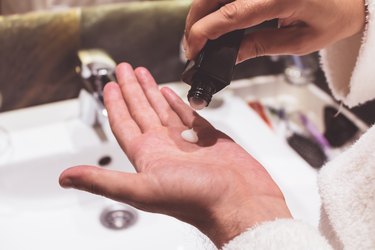
This is easiest and most important method of protection against MRSA. Vigorously rub your hands with soap and warm water for 20 seconds (sing the Happy Birthday song twice). Use an air dryer or paper towel; turn off the faucet and open the door with the paper towel, then discard.
If using an alcohol hand sanitizer, it should be 60-95% alcohol. Like with soap and water, you must rub your hands vigorously for 20 seconds to displace the bacteria. Remember that alcohol hand sanitizers do not work if your hands are visibly soiled.
Also, don't be embarrassed to ask your health care provider to wash his or her hands before examining you.
3. Cover wounds completely
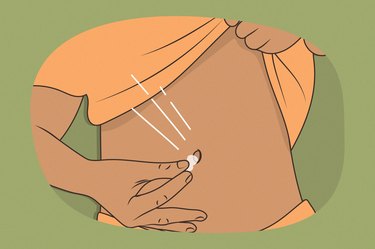
If you have a wound, then keep it completely covered, especially if you are an athlete. Open wounds are the easiest way for MRSA to spread. The bacteria from the wound can contaminate a surface such as gym equipment and infect someone else.
Place a towel between you and your locker room bench or gym equipment, and wash it in hot water after every use (just in case the guy before you did not cover his wound before sitting there).
4. Never share towels, makeup, or athletic gear
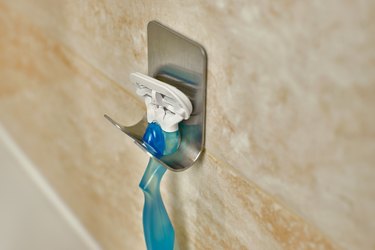
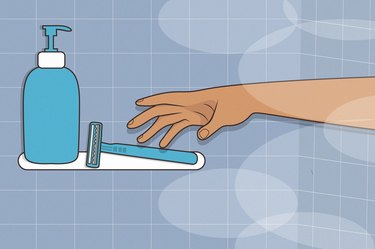
MRSA can be spread by sharing makeup, razors, towels or athletic attire and gear. Sharing them is a sure way to put yourself at risk.
Also, do not shave your legs before getting a pedicure, as the small nicks can provide an entry for MRSA or other infections. As an extra precaution, consider bringing your own nail instruments when getting a manicure or pedicure.


