




























































Candida yeast infection is an overgrowth of the fungus Candida albicans in your body. Although this can happen nearly anywhere on your body, yeast infections often occur in the vagina. Approximately 75 percent of women experience a yeast infection in their lifetime and many have recurring infections. Dr. William Crook has proposed a diet to reduce candida yeast infections.
History
Dr. William Crook was a medical doctor and member of the American Medical Association for 40 years before his death in 2002. He wrote 14 books, including“The Yeast Connection,” where he introduced the candida diet. Dr. Crook believed that excess yeast was a result of eating certain foods. He believed that the condition called the yeast syndrome also caused other symptoms, including fatigue, headache, mood swings and depression. Although no research has corroborated Dr. Crook’s theory, many naturopaths and alternative health practitioners recommend the diet to help treat overgrowths of yeast. The diet involves four stages.
Elimination
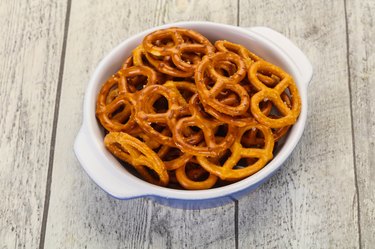
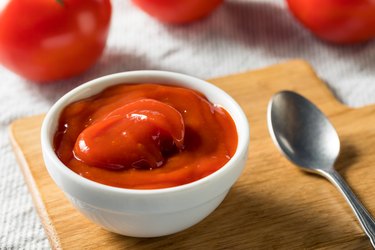
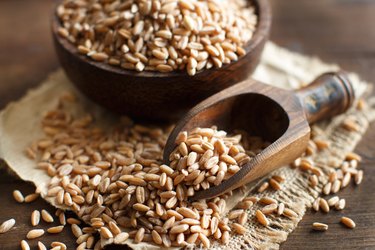
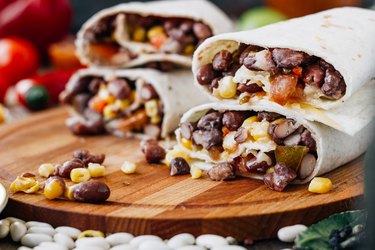
The first stage of Dr. Crook’s diet focuses on eliminating foods that cause excess yeast growth. Dr. Crook suggests eliminating foods containing sugar, yeast, mold, and starches, as well as fermented foods. This stage of the diet lasts two to four weeks, until your symptoms dissipate. Dr. Crook recommends eating fresh vegetables, meats, nuts and seeds. For cooking, you should use unprocessed oils. Drink water and tea as beverages.
Challenge
During the next phase of the diet, you slowly begin to reintroduce certain foods back into your diet. Dr. Crook recommends adding one portion of one new food a day. You should start with foods that contain one ingredient so you can ascertain what it is that might causing a return or increase in your symptoms. Note the foods you are trying and any reactions you have in a notebook. Move on to the next stage of the diet when you have a lengthy list of foods that you have tried. (ref #3)
Reassessment and Maintenance
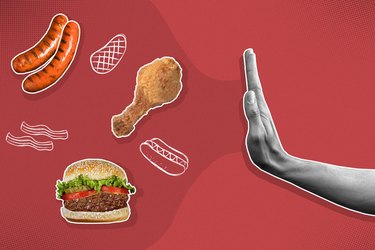
The third stage involves a reassessment. You may not need this stage if you are doing well. If your symptoms persist, begin to cut out specific foods from your diet for the next two weeks. Among the foods to avoid are chocolate, soft drinks, fruit drinks, citrus, sugar, processed foods, beef, chicken, rice, white potatoes, pork, milk and eggs. Gradually reintegrate food from the list, allowing a day or two to pass before adding each additional food to help you identify any possible problems. Once you have found a diet that works, maintain it for optimal health.


Member Comments