








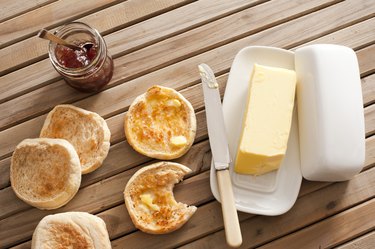









Celiac disease is caused by an immune reaction to gluten, a protein in wheat, rye and barley. The immune response destroys healthy intestinal cells important for absorbing nutrients and energy from food. Other parts of the body, such as joints, skin and the nervous system, can also be affected. For women with celiac disease, eating gluten can make it difficult to become pregnant, and it will pose a hazard to a developing baby.
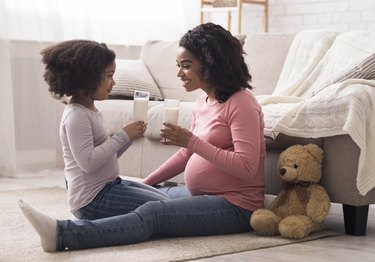
Celiac and Pregnancy
A study published in "Sterility and Fertility" in March 2011 found that rates of infertility, recurrent miscarriage and stillborn deliveries were five times higher in women with untreated or undiagnosed celiac disease than women without a gluten allergy. Even if you are already pregnant, switching to a gluten-free diet can benefit your baby. Women with celiac disease who ate a gluten-free diet had no differences in rates of premature birth or low baby weight when compared with women who did not have celiac disease.
Direct Effects on Baby
When a person with celiac disease eats gluten, the food-absorbing cells in the intestine are destroyed, leading to poor nutrition and weight loss. This inability to remove calories and vitamins from food may explain why mothers with untreated celiac disease are more likely to have a baby with a low birth weight. A report in the journal "Canadian Family Physician" explained that babies with untreated celiac mothers could also be at risk for spina bifida or other neural tube defects, because the mother may have poor folic acid absorption in the gut. Early research did not support this, however.
Indirect Effects on Baby
In addition to direct effects on your baby in the uterus, eating gluten when you have celiac disease can have secondary consequences. Women with untreated celiac disease have less energy, and this can make dealing with pregnancy and a newborn much more difficult. Celiac disease also can cause depression, interfering with mother-baby bonding and causing unhealthy stress for your newborn.
Protecting Baby
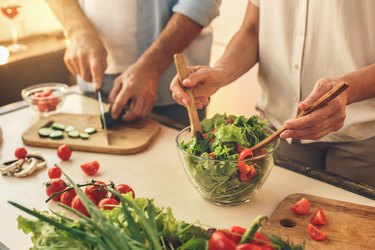
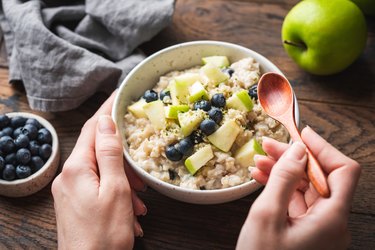
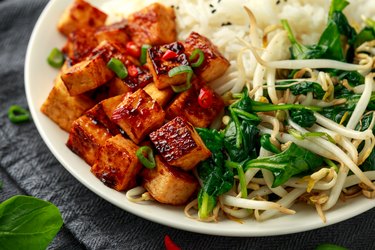
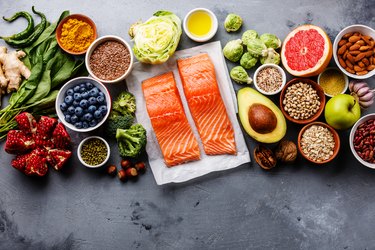
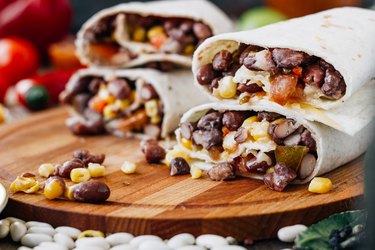
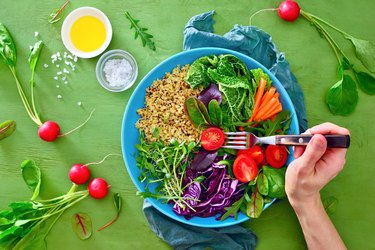
According to the National Foundation for Celiac Awareness, if you have been diagnosed with celiac disease and are pregnant or trying to become pregnant, you should avoid eating gluten. Check out the National Foundation for Celiac Awareness (celiaccentral.org), the National Digestive Disease Clearinghouse (digestive.niddk.nih.gov) or celiac.com to find safe meal choices for people with celiac disease. Call your doctor or meet with a nutritionist if you need additional help.
References
- "Fertility and Sterility"; Latent Celiac Disease in Reproductive Performance of Women; A. Kumar et al.; March 2011
- National Foundation for Celiac Awareness; Pregnancy and Celiac Disease; Amy Burkhart, MD; November 2009
- "Human Reproduction"; The Impact of Maternal Celiac Disease on Birthweight and Preterm Birth: A Danish Population-Based Cohort Study; A.S. Khashan et al.; February 2010
- "Canadian Family Physician"; Celiac Disease During Pregnancy; Rebecca Hancock and Gideon Koren, MD; October 2004
- National Digestive Disease Clearinghouse; Celiac Disease; September 2008


