













































How to Get a Toddler's Nose to Stop Running

How to Get a Toddler's Nose to Stop Running
Photo Credit Jupiterimages/Photos.com/Getty Images

Cold and allergy seasons can turn your toddler’s nose into a leaky faucet. A runny nose typically starts when a cold is getting better. When a cold virus first infects the nose, the nose makes clear mucus; however, as the body is fights the virus, the mucus becomes yellow or white. Once the bacteria that normally live in the nose grow back, the mucus becomes green. While a runny nose is a signal that the cold is getting better, it can also be a nuisance. Never give your toddler an over-the-counter medication without first consulting with her doctor.

Step 1

Treat allergic rhinitis, or hay fever, with over-the-counter antihistamines. Antihistamines relieve the symptoms of a runny nose caused by allergies, as well as reducing nasal itching and sneezing. Give your child an antihistamine every day during seasonal allergy season. A bedtime dose of an antihistamine is important for healing the inside of the nose. Consult with your toddler's doctor for the proper dosage based on your child's weight.

Step 2

Blow your toddler’s nose frequently to prevent nasal drainage before it occurs. If your toddler doesn’t understand the concept of nose blowing, use a rubber bulb syringe to suction out extra mucus from the nostrils.

Step 3

Give your child antibiotics as prescribed by your pediatrician if a sinus infection is persistent or getting worse. Sinus infections, also known as sinusitis, often occur after the nasal passages are inflamed from an upper respiratory infection, which prevents the sinuses from draining normally. Since the sinuses cannot drain, bacteria levels increase and cause an infection. Administer the antibiotics exactly as prescribed. Do not stop giving your child the antibiotics if his symptoms improve. It's essential that he take the entire course of medication as prescribed.

Step 4

Spray an over-the-counter saline solution into each of your toddler’s nostrils. Allow the solution to stay in the nose for one minute and then have your toddler blow his nose or use a rubber bulb syringe to extract.

Step 5

Wash pollen off your toddler’s skin and hair before he goes to bed. Keep windows closed during pollen season and avoid using fans in the windows. Pollen is worse on windy days, so plan indoor activities if pollen count is high.

Tips and Warnings

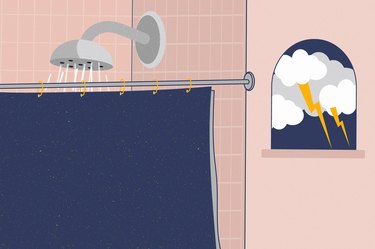
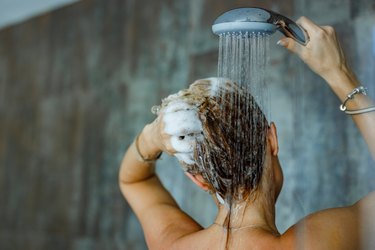
  • Have your toddler stand in a warm shower on a slip-proof surface. This allows him to breathe moist air and loosen mucus. While in the shower, a runny nose can do its job of cleansing infections and allergens from the sinuses without being as much of a nuisance to your toddler since the mucus washes away with the water. Blow your toddler’s nose or use a rubber bulb syringe when he exits the shower. Frequently wash the family dog to remove pollen from the fur. Brush dogs outdoors so pollen is not loosened from the fur and floating around your house for your toddler to inhale.
  • Do not give cough and cold medicines or decongestants to your toddler. You also shouldn't give your toddler antibiotics for viral infections such as the common cold. Overuse of antibiotics can make result in resistance to treatment in the future. Discontinuing antihistamines in the middle of allergy season is likely to cause the runny nose and other associated symptoms to return.

Things You'll Need

  • Antihistamines (allergies)
  • Saline nasal spray
  • Antibiotics (bacterial)
  • Tissues
  • Rubber bulb syringe

References

Article reviewed by Mia Paul Last updated on: Sep 14, 2011

Must see: Photo Galleries

Member Comments