







Risks of Sodium Chloride

Risks of Sodium Chloride
Photo Credit Jupiterimages/BananaStock/Getty Images

Sodium and chloride are two substances in the composition of salt. They are usually referred to as “sodium chloride” as if they are one single element. Under normal circumstances, sodium chloride is not risky. In fact, it is a nutrient that regulates blood pressure and the volume that flows through your veins. Salt is also essential to nerve and muscle function. Sodium chloride poses risks when your intake exceeds the established safe limits.

Reduced Calcium

Calcium is one of the minerals vital to strong bones. When you ingest too much sodium chloride, it stimulates your kidneys to transfer more calcium than normal from your bloodstream into your urine to be flushed. The Linus Pauling Institute says that a few studies revealed the potential for increased salt intake to lead to frail bones because of the excessive calcium loss.

Kidney Stones

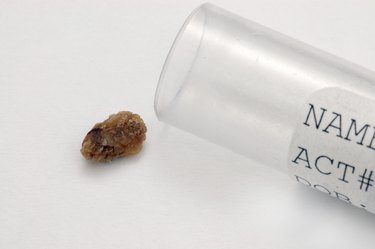
Kidney stones have different compositions, but a majority contain calcium. Since increased sodium chloride intake causes more calcium to enter the urine, it may also lead to the formation of kidney stones, especially if you have a propensity for the problem. According to the Linus Pauling Institute, more than one study has concluded that limiting salt intake for someone with a history of kidney stones reduces the likelihood she will develop the problem again.

Gastrointestinal Problems

According to the Food Standards Agency of the United Kingdom, ingesting 500 milligrams of sodium chloride per 2.21 pounds of body weight may cause vomiting and gastrointestinal ulcers.

Renal Dysfunction

A high sodium chloride intake can lead to kidney damage, causing the twin organs to malfunction. Metabolic acidosis, a potentially fatal condition that occurs when your body’s fluids become too acidic, may result from the renal dysfunction.

Hypertension

Too much sodium chloride causes your blood pressure to rise, a condition known as hypertension. Secondary to prolonged high blood pressure -- if you do not lower your salt intake -- you may also develop heart disease and an increased propensity for strokes.

Fluid Retention

When you already suffer from congestive heart failure, cirrhosis or kidney disease, a high salt intake causes edema. The condition is characterized by swelling of feet, ankles and hands, as the excess salt impairs your system’s ability to flush the fluids in your tissues.

Tolerable Upper Intake Level

The Food and Nutrition Board of the Institute of Medicine recommends that you limit your sodium chloride intake to 5.8 grams daily if you are 14 years of age or older. The maximum intake for younger individuals ranges from 3.8 grams to 5.5 grams. The younger you are, the less salt you should take in daily.

References

Article reviewed by DanL Last updated on: Sep 14, 2011

Must see: Photo Galleries

Member Comments