











































Can I Eat Radishes With Gallbladder Problems?

Can I Eat Radishes With Gallbladder Problems?
Photo Credit Comstock/Comstock/Getty Images

Your gallbladder is a small organ that sits just below your liver. Its function is to collect and concentrate bile, a substance your body needs to help you digest fat. Diseases of the gallbladder can affect your diet choices. You should be able to eat radishes, however, if you have gallbladder problems.

Gallbladder Diseases

Gallbladder diseases include the formation of gallstones known as cholelithiasis and inflammation of the gallbladder known as cholecystitis. In most people, the formation of gallstones do not cause any serious problems. But if the stones get lodged in the bile duct they can create an obstruction and pain. Cholecystitis is most often caused by this type of obstruction that leads to a backup of bile causing inflammation and infection. Cholecystitis can be either acute or chronic. Diet cannot prevent the formation of gallstones, but may be able to manage the pain caused by cholecystitis by limiting your intake of fat to minimize stimulation of the gallbladder.

Low-fat Diet

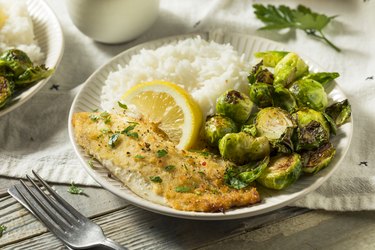
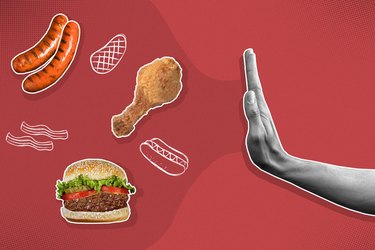
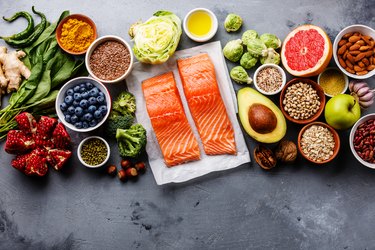
The low-fat diet for gallbladder problems aims to limit your daily intake of fat to 40 to 45 grams a day. The low-fat diet includes foods that are naturally fat-free such as fruits and vegetables, and foods that are very low in fat such as grains, nonfat and low-fat dairy products and lean meats such as poultry and fish. Added fat, including foods such as butter,oil and margarine, are limited to four to five servings a day. You should also avoid fried foods, cream sauces, gravies and high-fat desserts.

Radish

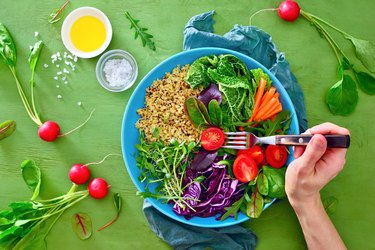
The radish is a root vegetable that falls into the mustard family and looks like a beet or radish. It is virtually fat-free and a good source of vitamin C and fiber. One cup of sliced radishes contains 19 calories, 0.8 grams of protein, 0.1 grams of fat, 4 grams of carbohydrates, 1.9 grams of fiber, 29 milligrams of calcium, 12 milligrams of magnesium, 17 milligrams of vitamin C and 29 micrograms of folate.

Radish and Gallbladder

As a very low-fat vegetable, you can safely eat radishes when you have gallbladder problems. The University of Maryland Medical Center recommends you include more antioxidant rich foods when you have gallbladder problems, and as a good source of vitamin C the radish makes a good choice. If you have calcium salt gallstones you may be concerned about the calcium content in the radish. Calcium in the diet is not a risk factor for the formation of gallstones. Obesity, rapid weight loss and ethnicity are more likely contributors to the formation of gallstones.

References

Article reviewed by Libby Swope Wiersema Last updated on: Oct 4, 2011

Must see: Photo Galleries