








































Does Mixing Proteins With Carbs Reduce Insulin Response?

Does Mixing Proteins With Carbs Reduce Insulin Response?
Photo Credit Stockbyte/Stockbyte/Getty Images

Once food enters your digestive system, it goes through a complex process of digestion and absorption. When carbohydrates are consumed, the body breaks them down into sugars that quickly absorb into the bloodstream, where they serve as fuel to keep the body alive. As blood sugar levels rise, insulin enters the bloodstream to deliver sugar molecules to their appropriate cell destinations. In an effort to stabilize this insulin response, combining your carbohydrates with proteins can slow down sugar’s absorption.

The Insulin Response

A natural protein released by the body throughout the day, insulin attempts to maintain safe and healthy blood sugar levels. Insulin is produced in the pancreas, a small organ located deep in the abdomen behind the stomach. Although the pancreas releases a steady amount of insulin throughout the day, it increases the production and release of insulin after food is consumed. As the foods are digested, the insulin triggers the body’s cells to absorb the sugar in the blood. The cells either immediately use the sugar for energy or store it for later use. The amount of insulin released into the body depends on the type of food consumed. Foods that are high in sugar -- such as carbohydrates -- require a greater insulin response.

Carb and Protein Combinations

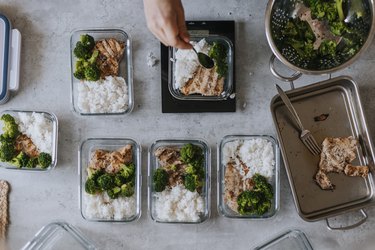
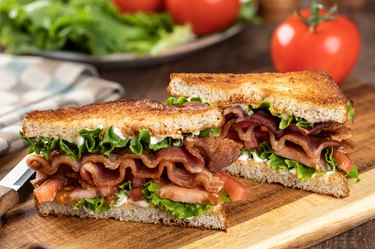
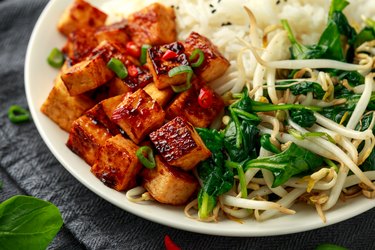
Whether simple or complex, carbohydrates are ultimately broken down into sugar. So, when carbohydrates are consumed, the body’s insulin response needs to be quick to effectively manage the immediate surge in blood sugar. As insulin takes effect and blood sugar levels return to normal, insulin slowly leaves the bloodstream. When carbohydrates are consumed with other foods, such as protein or fat, the digestive process slows. As a result, the carbohydrate sugars take a longer time to absorb into the bloodstream -- which produces a more controlled blood sugar increase.

Research Studies

In a 2000 issue of “Diabetes Spectrum,” Marion J. Franz, MS, RD, LD, CDE, noted several interesting relationships related to the combination of protein and carbohydrates. Franz refers to a 1984 study published in “Diabetes Care.” The study divided subjects into one of three groups. One group received protein, one group received glucose and the other group received a combination of protein and glucose. The insulin response was similar in the protein and glucose groups, but it nearly doubled in the combination group. Although this study showed a definite correlation between insulin response and carb-protein combinations, additional research is necessary to understand the exact relationship between insulin response and food combinations.

Carbohydrate Considerations

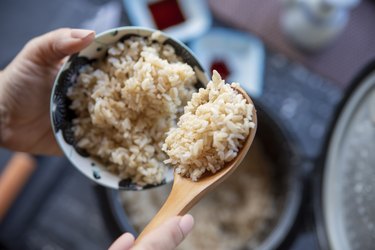
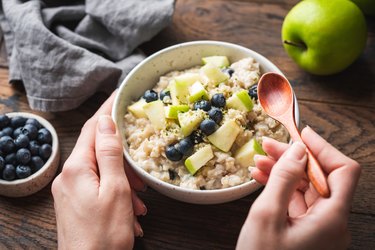
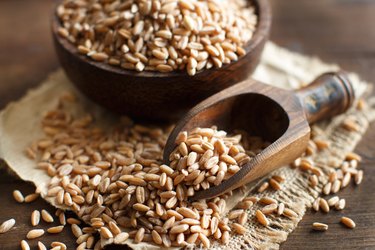
Whether or not you combine them with proteins, carbohydrates have varying effects on insulin resistance. Some carbohydrates, like the simple sugars found in cookies and white bread, cause an immediate spike in blood sugar. Other carbohydrates, like the sugars found in fruit and whole grains, have a much steadier effect on blood sugar. If you are looking to improve your body’s insulin response after meals, consider switching to carbohydrates that take a longer time to digest. The Harvard School of Public Health recommends whole grain bread, oats, bulgur, barley, whole wheat pasta and beans.

References

Article reviewed by J. Betherman Last updated on: Feb 21, 2012

Must see: Photo Galleries

Member Comments