








































Most everyone experiences high blood sugar, or hyperglycemia, at some point. It can happen just after a large portion of sugary food is eaten and usually resolves itself. According to the University of Michigan Health System, hyperglycemia is a primary symptom of diabetes. It is also associated with other illnesses, such as pancreatitis, and can occur in response to various medications, such as steroids. Symptoms include extreme thirst, blurred vision, exhaustion and frequent urge to urinate. Just as some foods cause hyperglycemia, others can reduce blood sugar levels to healthy levels. People with diabetes may require medication attention if blood sugar levels are dangerously high.
Sugar-Free, Caffeine-Free Beverages
According to health care professionals at St. John Health System, drinking sugar-free, caffeine-free beverages such as water or non-caffeinated tea or soft drinks can help reduce blood sugar levels. Avoid sugary beverages such as fruit juices and regular soft drinks as these have the opposite effect. If you have diabetes and your blood sugar levels remain high shortly there after, seek medical attention.
Whole Grains
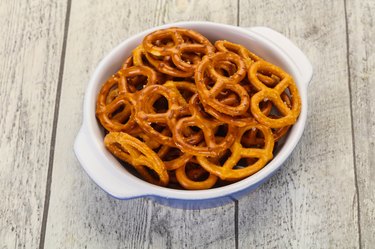
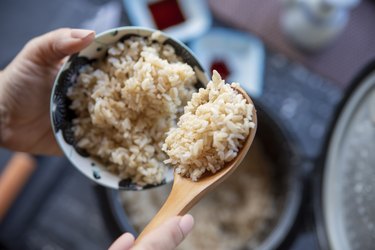
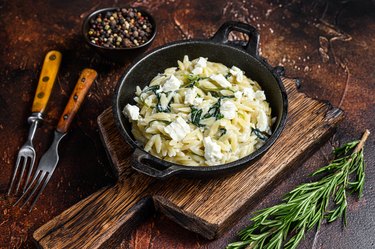
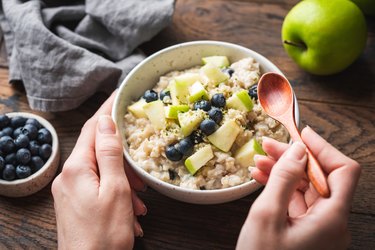
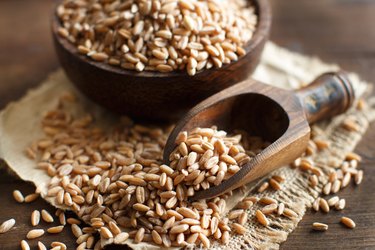
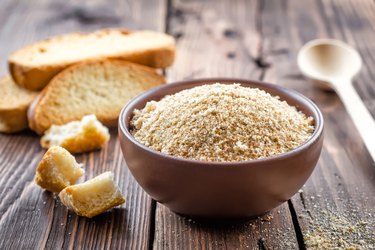
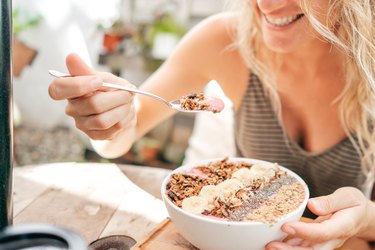
Experts at Oregon State University suggest an overall low-glycemic diet for those who experience frequent bouts of high blood sugar. The glycemic index (GI) is a number assigned to foods that indicates the affect each food has on blood sugar levels. High GI foods should be avoided or balanced with low GI foods in order to keep blood sugar levels from spiking. Whole grains are substantially lower in GI than white flour carbohydrates, such as white bread, pasta, cereals and instant rice. Replace these simple carbohydrates with whole grain varieties and you're likely to experience healthy, sustained blood sugar levels.
Fruits and Vegetables
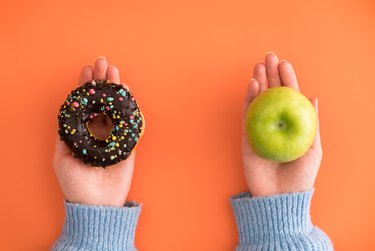
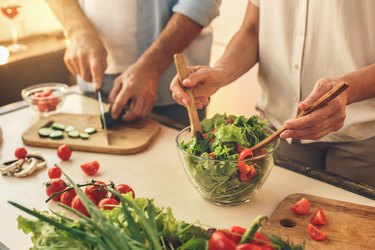
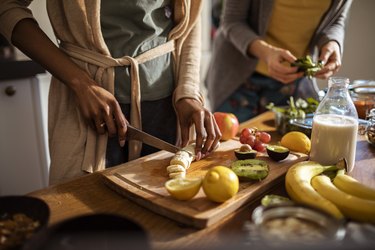
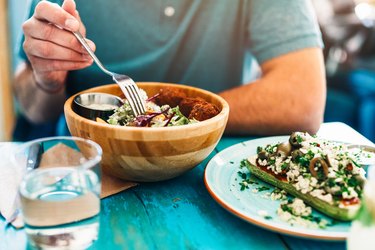
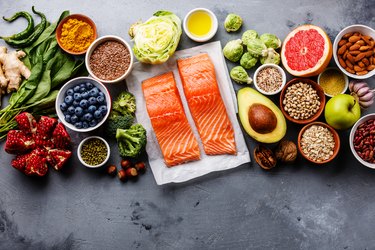
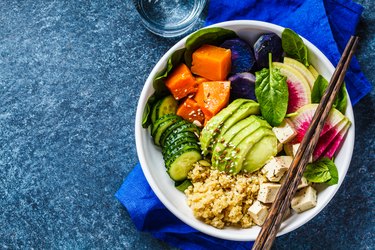
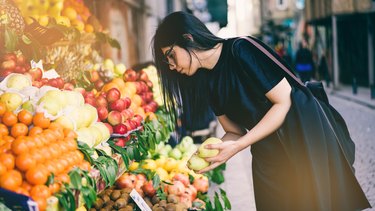
Fruits and vegetables have a natural capacity to help balance blood sugar levels. Aim for a variety of fruits and vegetables daily, no fewer than six collective servings per day. Fresh fruits and vegetables are preferable to dried fruit or juices, as they are lower in GI and higher in nutrients and water. Fruits are also natural, healthier alternatives to sugary desserts and snack foods, which can elevate blood sugar.
Lean Protein
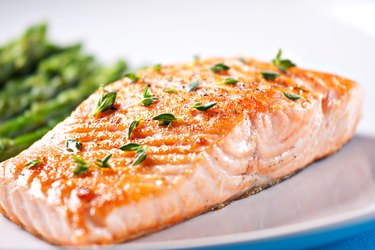
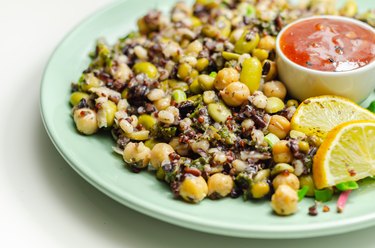
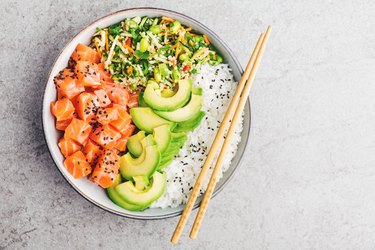
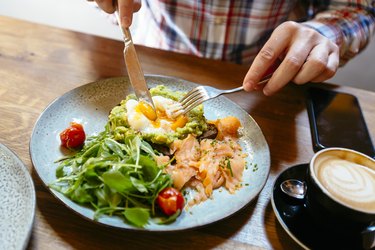
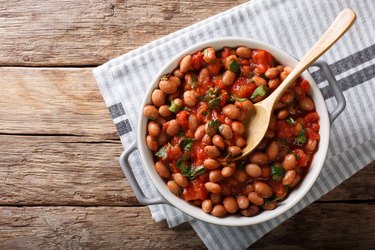
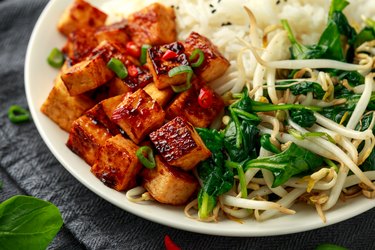
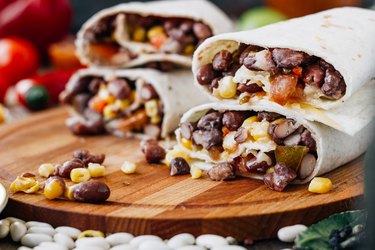
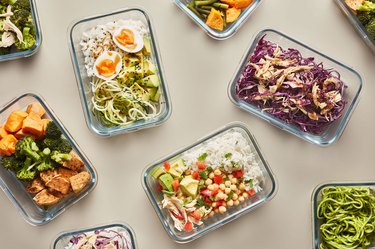
Protein does not provide glucose, or sugars needed for energy. They are slow to affect blood sugar levels and thus can reduce blood sugar levels quickly. If you've consumed a heavily sweetened food or white flour carbohydrate or experience hyperglycemia for another reason, a serving of protein can reduce your blood sugar. Low-fat dairy products, eggs, lean poultry and tofu are ideal options as they are valuable sources of protein. Generally speaking, one cup of low-fat dairy, such as milk or yogurt, or three ounces poultry should suffice. Legumes also provide protein and fiber and can help reduce or manage blood sugar.


