





































































List of the Top 5 Heart Diseases

Heart disease is the number one killer in America and a major cause of disability. It often exists for a long time without any symptoms. The good news is that heart disease can be avoided or successfully managed with lifestyle changes such as eating a healthy diet and getting regular exercise. Understanding the different types of heart disease and knowing if you have risk factors can help you to prevent being diagnosed with it.

Coronary Artery Disease

Arteriosclerosis, narrowing or blockage of the coronary arteries, is the most common cause of heart disease, according to the National Institutes of Health. This condition involves the buildup of plaque on the artery walls. As the arteries narrow, less blood gets to the heart. When the heart is starved for blood and oxygen, the cells in your heart muscle can die. Arteriosclerosis increases your risk for heart attack and stroke.

Hypertension

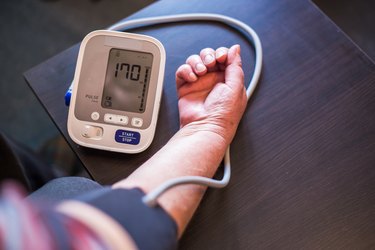
Hypertension is the medical term for high blood pressure. If your arteries have narrowed then your heart muscle must work harder to push the same volume of blood through your body. This creates greater force against the artery walls. This increase in force is measured by taking your blood pressure. When the top number of your blood pressure reaches 140 mmHg or higher and/or your bottom number reaches 90 mmHg or higher you may be diagnosed with high blood pressure. High blood pressure increases your risk of heart attack and stroke.

Arrhythmias

The term arrhythmia is used whenever your heartbeat becomes abnormal. Your heart rate or pulse can become too fast, too slow or there can be skipped beats. The American Heart Association states that irregular heart rhythms are very common. They can be mild and cause no problems or they can contribute to heart disease and be fatal. Arrhythmia can lead to heart attacks, strokes or sudden cardiac arrest.

Heart Attack

According to the Centers for Disease Control, coronary artery disease is the leading cause of heart attacks. When your heart does not receive the blood and oxygen it needs, cells within the heart can become damaged or die. The result is a heart attack. You need treatment right away. The sooner you receive care the better your chances of survival and minimizing damage.

Stroke

A stroke occurs when the arteries that supply the brain with blood and oxygen become blocked. As this happens, cells in the brain begin to die. According to the National Stroke Association "Stroke is the third leading cause of death in America and a leading cause of adult disability." The symptoms you are left with depend on how much damage occurs and what sections of the brain were affected.

References

Article reviewed by MER Last updated on: Dec 20, 2009

Must see: Photo Galleries