













































Skin bleaching uses chemicals to lighten your skin tone. Skin bleaching can be used as a spot treatment for blemishes like age spots and freckles or to alter the skin tone of your entire body. However, the use of bleaching products on your entire body brings with it numerous warnings.
Function
Typically, doctors do not recommend skin bleaching as a way to lighten your overall skin tone. Instead, it treats specific disorders like hyperpigmentation and age spots that could benefit from lightening the color of the skin. Age spots are caused by sun exposure and involve an overproduction of melanin. Hyperpigmentation occurs when darker patches develop on lighter-colored skin.
Procedure
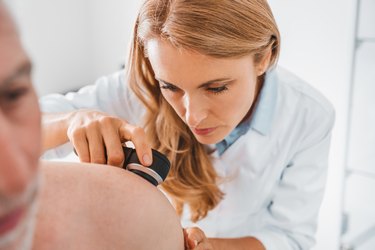
A dermatologist can perform skin bleaching as an office procedure. Cosmetic dermatologists can perform spot treatment to lighten the pigment of the skin. Multiple skin-bleaching appointments may be required to achieve the desired results. Prescription creams can allow a person to bleach the skin.
Types
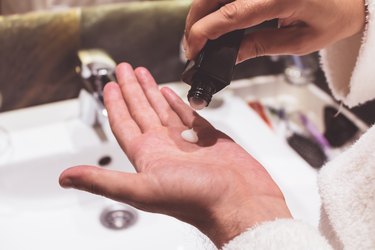
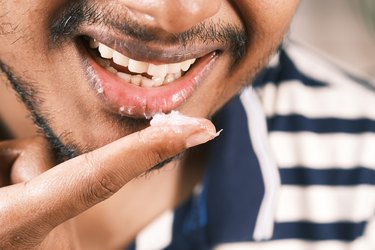
Numerous over-the-counter topical skin-bleaching treatments sell for less than $10 per container. Among the available creams and lotions are Othine Skin Bleach, Daggett & Ramsdell Skin Bleach Cream and Fashion Fair Vantex Skin Bleaching Crème.
Considerations
Controversy surrounds skin-bleaching products to change the skin tone. In Asian countries especially, skin bleaching provides a way for someone to lighten skin to appear more Western. Many believe cosmetic companies should stop selling skin-bleaching products, asserting that they help reinforce stereotypes about gender, race and caste, National Public Radio reported.
Warning
Mercury is one of the active ingredients in skin-bleaching products. Reduced levels of mercury are associated with causing neurological damage. Another active ingredient, hydroquinone, has been labeled a potential carcinogen and its concentration restricted.


Member Comments