











































Underarm Skin Discoloration

Underarm Skin Discoloration
Photo Credit Image by Flickr.com, courtesy of Gregg O'Connell

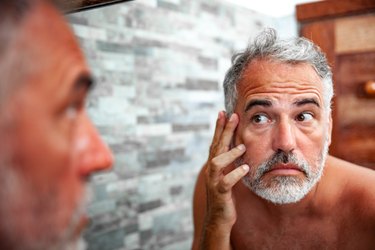
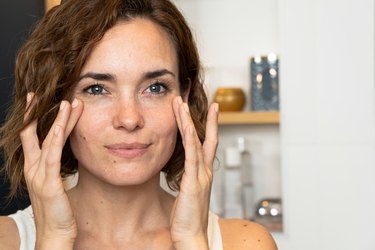
Underarm discoloration is an embarrassing problem that can cause you to avoid wearing bathing suits or sleeveless tops or to lift up your arms. Although there are several causes for this condition, there are also many safe and effective treatments that will have you playing basketball or going to the beach again without worry.

Considerations

Underarm discoloration can affect both men and women of all ages, although happens in women of African and Hispanic descent most often, according to the Mayo Clinic. Treatments vary depending upon the cause, but in some cases treatments can take weeks or even months for you to see results.

Causes

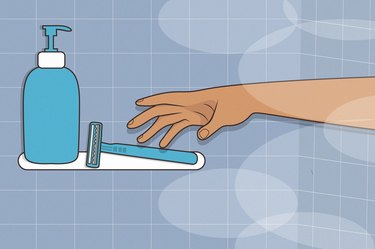
Three of the most common causes are related to the use of products or skin care procedures: Shaving, which leaves visible stubble; dead skin cells which can lead to dark spots or lead to an overgrowth of Corynebacterium minutissimum bacteria; and antiperspirants and deodorants that contain ingredients which cause the discoloration. Two other common causes are tied to underlying medical conditions: Acanthosis nigricans causes dark, thick, velvety skin in body folds and creases and is often genetic; and hyper-pigmentation can cause darkening of skin when an excess of melanin forms deposits on the skin.

Significance

In general, skin discolorations caused by skin-care procedures are not serious, although discoloration from bacteria may require a trip to the doctor for an antibiotic, and hyper-pigmentation may need doctor-prescribed hydroquinone, azelaic acid, corticosteroids, tretinoin cream or laser therapy. The most potentially serious condition underlying discoloration is acanthosis nigricans. According to the Mayo Clinic, acanthosis nigricans is primarily caused by elevated insulin levels and frequently occurs in people with endocrine disorders, like diabetes, or those who are overweight--although in rare cases it can signify cancer. To treat this, your doctor will first test you for disease, then likely recommend dietary changes in addition to prescription Retin-A, 20 percent urea, or alpha hydroxy acids to fade the discoloration. In some cases, dermabrasion or laser therapy may be needed.

Prevention/Solution

If you notice that shaving is causing a problem, switch to waxing or plucking. To prevent dead skin cells from becoming trapped on your skin, use an exfoliating product such as one containing lactic acid or salicylic acid. When an antiperspirant or deodorant is to blame, changing brands may do the trick, although you can also look for a product with aluminum zirconium tetra chlorohydrex glycine, which is less likely to clog pores or cause inflammation, or one with kojic dipalmitate, a skin brightener. If you are overweight and have acanthosis nigricans, you may need to modify your diet to include less sugar and fewer carbohydrates and devise a healthy eating and exercise plan for weight loss.

Home Remedies

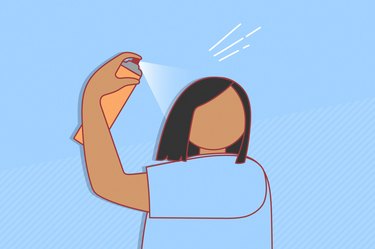
Home remedies can't cure underlying medical conditions, but they can help lighten the dark patches. The GrannyMed Home Remedies and Natural Health database suggests you massaging your underarms with natural skin lighteners, such as vitamin E oil, lemons, limes or potato juice. You should also scrub the underarm area once a week with a gentle exfoliating product, like baking soda. Instead of deodorant, try spraying rose water on your skin or using an organic talcum powder.

References

Article reviewed by Elizabeth Ahders Last updated on: May 5, 2011

Must see: Photo Galleries

Member Comments