





































Intracranial Hypertension Signs & Symptoms

You need some cerebrospinal fluid in the brain to cushion your skull, transport nutrients and remove waste products. Too much can lead to intracranial hypertension, which is too much cerebrospinal fluid in your brain. This creates pressure within the structures of the brain, which can lead to symptoms. This condition can be acute and occur as the result of a head injury, aneurysm or stroke. It can also be chronic, have no known cause and get progressively worse.

Common Symptoms

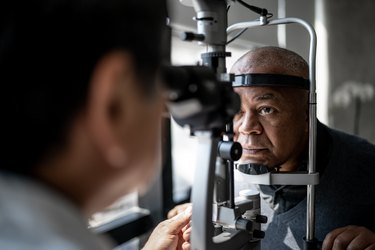
According to the Intracranial Hypertension Research Foundation, the most common symptoms are a severe headache and vision changes. The headache associated with intracranial hypertension is debilitating and not relieved by migraine or headache medications. In some cases the pain may send you to the emergency room. Changes to your vision may include seeing gray spots, blurred vision, double vision, sudden and temporary loss of vision and in severe cases, total blindness. You may also feel pain near your eye or whenever you move your eye.

Additional Symptoms

The University of Iowa states that intracranial hypertension can also cause a symptom called pulse-synchronous tinnitus. This refers to a whooshing, whistling, humming or pounding sound in either one or both of your ears. This noise tends to occur at the same rate as your pulse and typically accompanies a headache. While this condition does not normally lead to hearing loss, it can interrupt your sleep and become more severe with any activity that raises your heart rate.

Other Symptoms

The symptoms of this condition vary from person to person. You may also experience back, arm and leg pain that is sharp; a stiff neck or trouble moving your neck, dizziness, trouble maintaining balance, numbness in your arms and legs and trouble with your memory. Other signs include fatigue, nausea, vomiting and spinal fluid discharge through your nose.

References

Article reviewed by Hilary Cable Last updated on: Jan 18, 2010

Must see: Photo Galleries