

































AHA Acne Treatment

AHA Acne Treatment
Photo Credit orange, , orange juice image by Greg Pickens from Fotolia.com

AHA is short for alpha hydroxy acid. These acids can be used to help clear up acne, or to speed fading of acne scars. There are many forms of AHAs, but glycolic acid is the one most commonly used for chemical peels offered by health care providers. AHAs also are used to improve the look of sun-damaged skin.

Identification

AHAs include glycolic acid, a fruit acid that is frequently used for facial treatments, lactic acid and citric acid. Lactic acid can be found in cheese, meat, yogurt and pickled vegetables. Citric acid is found in citrus fruits. Less commonly used AHAs are malic acid, which comes from unripe green grapes and apples, and tartaric acid, a wine fermentation process byproduct.

Benefits

AHAs combat acne and rejuvenate skin by increasing skin cell turnover. AHAs loosen glue-like substances that hold your surface skin cells to each other. This allows the dead skin to peel off. Treatment with AHAs can stabilize oily or acne-prone skin and also improve skin tone, according to the New Zealand Dermatological Society.

Function

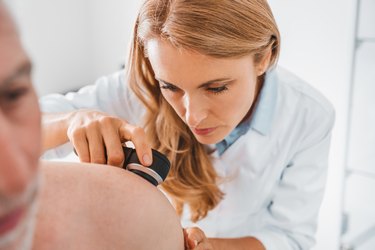
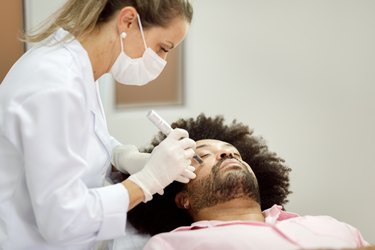
AHAs are used by medical providers who give facial peels. Glycolic acid is used in mild, or superficial, peels that remove a portion of the outer layer of skin. These peels do not go deeper into the middle layer of skin, according to the Mayo Clinic. A peel takes five to 20 minutes, and you may be given an oral sedative medication. Peels are usually repeated at one- to two-week intervals to give skin time to recover. The initial phase includes four to six peels, and a monthly "maintenance" peel might be recommended after that. AHAs used by medical practitioners are stronger than those sold at pharmacies and by beauty therapists.

Home Use

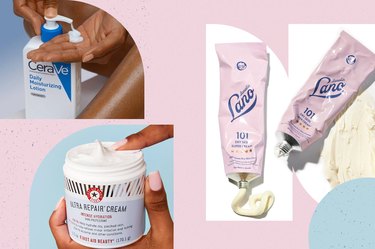
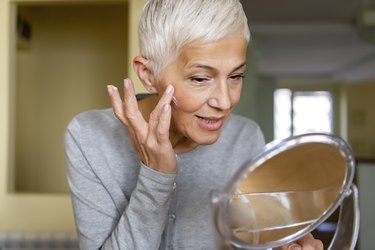
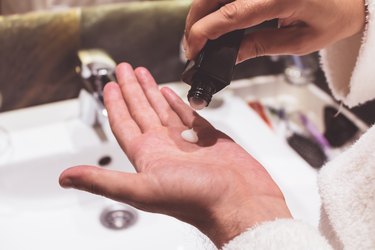
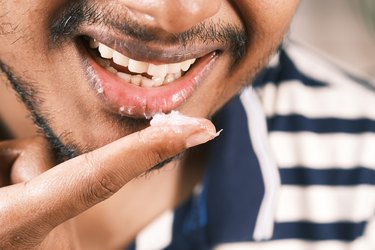
AHAs can be found in over-the-counter products in varying concentrations. Some products combine different AHAs in one product. Products marketed for acne treatment are considered drugs and regulated by the Federal Drug Administration. There are different preparations for oily, normal and dry skin. Any leave-on preparations should be applied at night. You can alternate these AHA treatments with other acne fighters such as retinoid creams, advises the New Zealand Dermatological Society. Some products are marketed as "skin peelers." These can contain higher concentrations of AHAs, according to the FDA.

Considerations

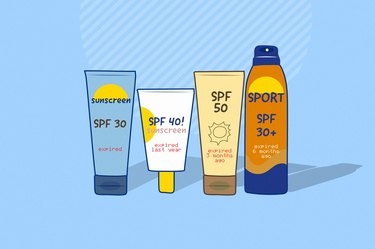
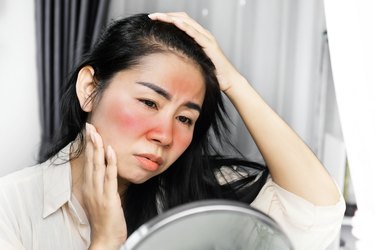
AHAs will make your skin more sensitive to the sun. This is reversed when you stop using the AHAs, according to the FDA. Using AHAs can lead to dryness, redness, crusting or flaking. More serious side effects can include temporary or permanent skin discoloration or burning, advises the American Society of Plastic Surgeons.

References

Article reviewed by Elizabeth Ahders Last updated on: Feb 5, 2010

Must see: Photo Galleries

Member Comments