
























































The Mediterranean diet is an eating plan based on the way that people in countries bordering the Mediterranean Sea eat. It is a heart-healthy way to eat with foods low in saturated fat and sugar. The Mediterranean diet features mostly fresh foods that have gone through minimal processing; it also involves using herbs and spices for seasoning instead of salt.
Fish and Poultry
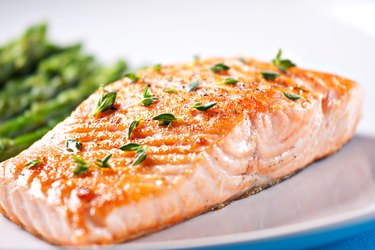
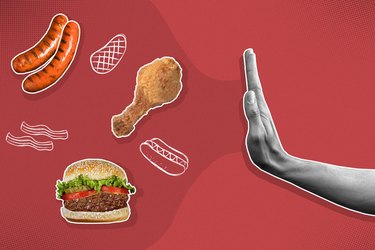
Two servings of fish or shellfish per week should be consumed on the Mediterranean diet. Fish and poultry should be consumed in place of red meat. Red meat is limited to only 12 to 16 oz.per month. Recommended items include chicken, turkey, oysters, shrimp, salmon, squid, mackerel, mussels, tuna, lobster, tilapia, salmon and flounder.
Healthy Fats
Butter and margarine are not consumed regularly when following the Mediterranean diet. Olive oil is used as the principal fat to season and prepare food items. Canola oil can also be used in place of butter, vegetable oil and margarine.
Vegetables and Fruits
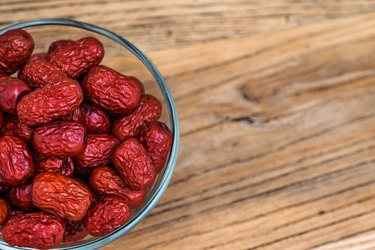
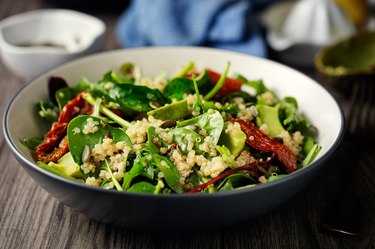
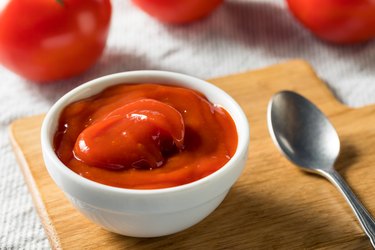
Vegetables should be consumed in large amounts when following the Mediterranean diet, according to the Mayo Clinic. Featured foods include artichokes, eggplant, celery, broccoli, onions, peas, peppers, sweet potatoes, lettuce, mushrooms, celery and tomatoes. In place of sweets, fruits are eaten for desserts. Some fruits recommended on the diet are apples, cherries, dates, peaches, grapefruit, melons and strawberries. Seven to 10 servings of fruits and vegetables should be consumed daily.
Dairy
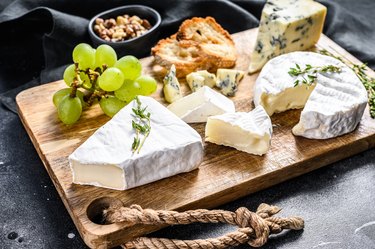
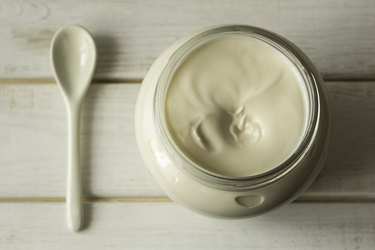
Low to moderate amounts of dairy foods, such as milk, yogurt and cheese are permitted on the Mediterranean diet. However, low-fat or fat-free versions should be used in lieu of full-fat versions.
Grains
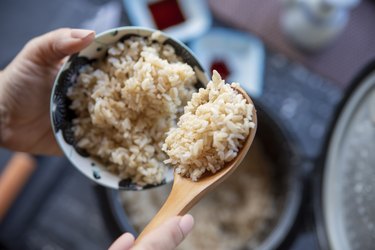
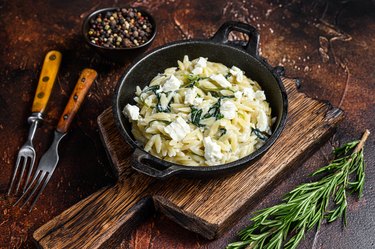
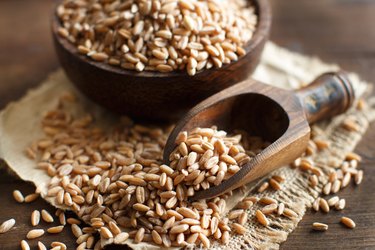
The grains that you use on the diet contain little to no saturated and trans fats. Refined carbs are rarely used and most of the foods are derived from whole grains. Wheat, oats, couscous, rice, barley, and bulgur are a few examples.
Beverages
A glass of red wine per day is permitted on the eating plan. Avoid soft drinks and fruit juices and drink plenty of water instead.
Nuts
Nuts are another staple of the Mediterranean diet. However, nuts that are high in fat are avoided. Nuts that are lower in fat that can be consumed include those that come from trees, such as walnuts and pecans. Because even these nuts are high in calories, they should be eaten in moderation--only an ounce or two a day.


Member Comments