































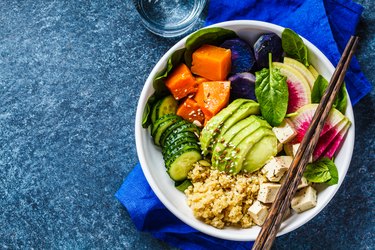


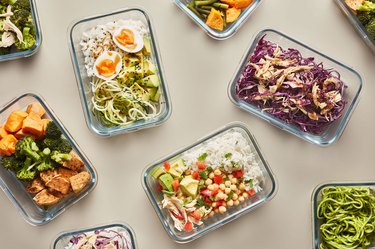





Kidney stone formation, or nephrolithiasis, is a common urologic disorder in middle-aged and older adults. According to the National Institutes of Health (NIH), kidney stones are responsible for 3 million primary care visits and 500,000 emergency room visits each year. The severity of kidney stones is variable, with symptoms ranging from mild discomfort and bloody urine to fever and potentially serious infections. Treatment for people with kidney stones is aimed at reducing factors that promote the growth of new and existing stones. Smart food choices are an important part of the cure.
Citrus Fruits
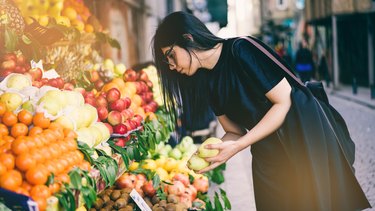
Citrus fruit juices, including orange juice and lemonade, treat kidney stones by reducing the acidity of the urine, creating a less-favorable environment for stone growth. But according to the NIH, the total fluid intake may be more important than the type of fluid.
Low-oxalate Foods
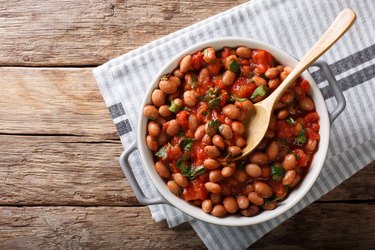
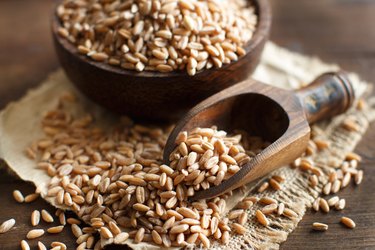
Foods with high oxalate content, such as whole-wheat bread and baked beans, may promote the formation of kidney stones and make it difficult to eliminate existing ones. Replace them with low-oxalate foods including green peas, eggs, and milk to help cure kidney stones. The Oxalosis and Hyperoxaluria Foundation maintains a list of high- and low-oxalate foods for reference.
Calcium-containing Foods
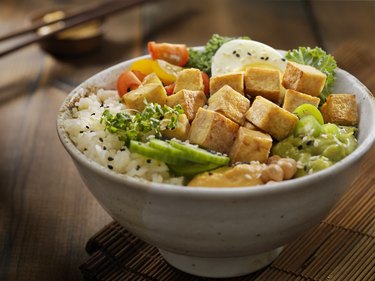
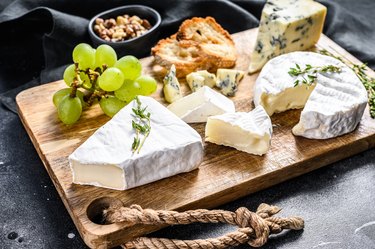
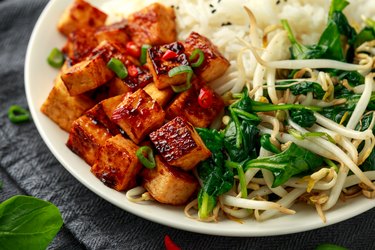
Since calcium stones are the most common type of kidney stones, it may seem counter-intuitive to consume dietary calcium for the treatment of kidney stones. But in a 2004 study in the "Journal of the American Society of Nephrology," the authors found that people with kidney stones benefit from consuming dietary calcium. It is important to note that non-dietary calcium supplements do not have the same benefit. Calcium-rich foods include milk, cottage cheese and tofu.
Low-sodium Foods
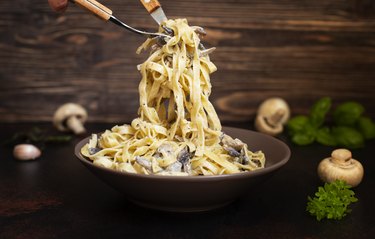
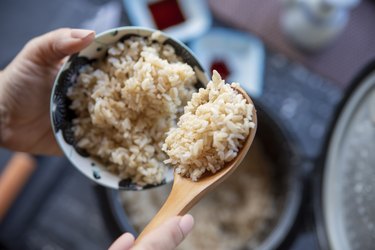
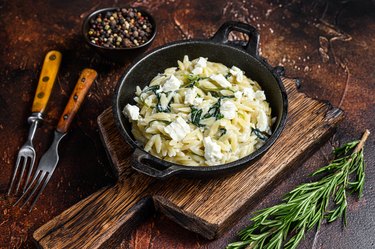
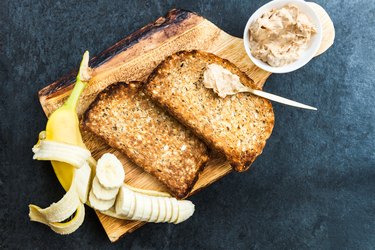
High sodium intake increases the amount of calcium in the urine, which makes it more difficult to get rid of kidney stones. Eat low-sodium foods such as pastas, rice, and bananas to treat problematic stones.
Low-protein Foods
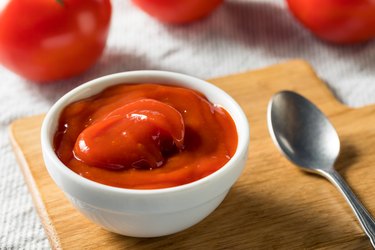
Like sodium, high protein content in the diet increases urinary calcium. It also causes the urine to become acidic, further promoting stone growth and making them more difficult to cure. Tomatoes, corn and cereals are some good low-protein food sources.
Low-fat and Low-calorie Foods
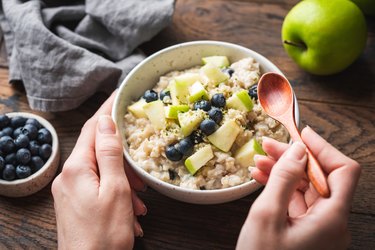
A low-fat, low-calorie diet is encouraged to reduce obesity, and is beneficial in people with kidney stones. In a 2010 study appearing in the "Journal of Urology," Dr. Brian Matgala found that patients with a body-mass index (BMI) greater than 30 were 2 to 3 times as likely to develop stones as people with a BMI less than 20. Although it is unclear if the risk is directly related to diet, the benefit of reduced BMI extends to people who have already developed kidney stones.
References
- NIH: National Kidney and Urologic Diseases Information Clearinghouse: Kidney Stones in Adults
- "Journal of the American Society of Nephrology"; Dietary Factors and the Risk of Incident Kidney Stones in Men: New Insights after 14 Years of Follow-up; Eric Taylor, Meir Stampfer and Gary Curhan; December 2004
- "Journal of Urology"; The Association of Increasing Body Mass Index and Kidney Stone Disease; Michelle Semins, et al; February 2010


