









































Dietary Sources of Coenzyme Q10

Dietary Sources of Coenzyme Q10
Photo Credit healthy foods image by Steve Lovegrove from Fotolia.com

Coenzyme Q10 is found in all human cell membranes. According to the National Cancer Institute, the body makes this nutrient naturally, and stores it in the liver, heart, kidneys and pancreas. This nutrient can protect us from cancer and other health ailments. It is an antioxidant that can help fight infection, protect the heart and tissues, and boost the immune system. It can occur naturally in a variety of dietary sources.

Meats

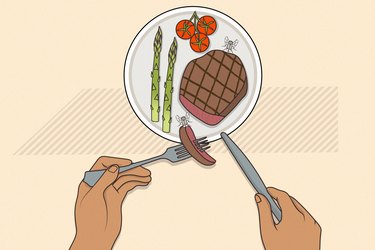
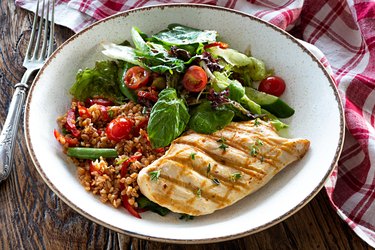
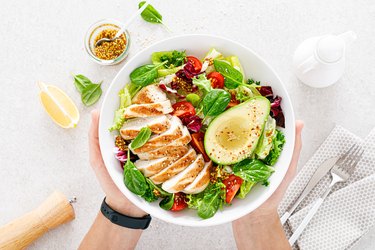
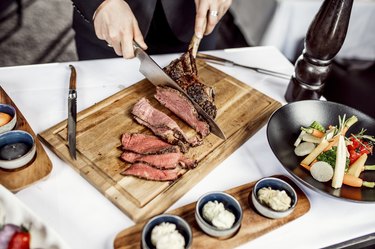
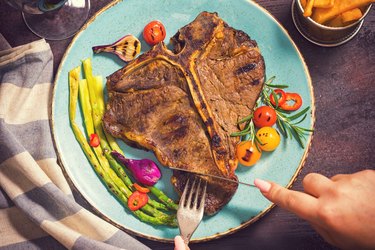
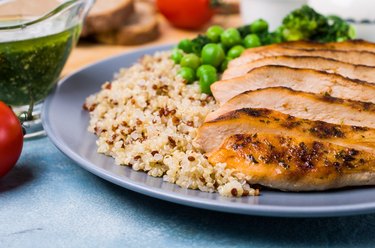
Animal-based products are rich dietary sources of coenzyme Q10. Chicken contains impressive amounts of the nutrient. A standard 3 oz. serving of fried chicken contains 1.4mg of the nutrient. Beef has the highest level of coenzyme Q10: a 3 oz. serving size contains 2.6mg of the nutrient.
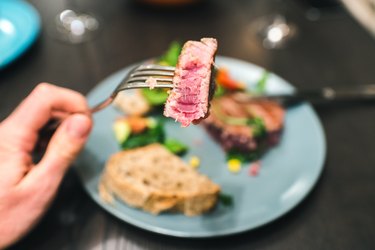
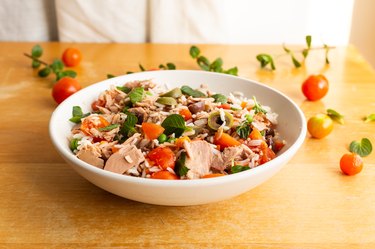
Good dietary sources of coenzyme Q10 include rainbow trout and marinated herring. A typical 3 oz. serving of marinated herring supplies 2.3mg of the nutrient. This same serving size of steamed rainbow trout contains almost 1mg. Even small amounts of the nutrient help the body to operate efficiently. A 3 oz. serving of poultry, beef and/or fish is the size of a deck of playing cards.

Seeds and Nuts

Some nuts and seeds contain respectable amounts of coenzyme Q10. These same nuts and seeds are classified as heart-healthy foods by the American Heart Association due to their unsaturated fat content. Unsaturated fats are known to lower cholesterol levels while protecting cardiovascular health. Included within this category are the roasted versions of peanuts, pistachios and sesame seeds. Ranging from .6 to .8mg per 1 oz. serving, peanuts are the richest sources at .8mg. Pistachios have the lowest amount, with .6mg per serving. It is important to monitor the intake of these foods, since they are high in fat content.

Oils

Some unsaturated fats are good dietary sources of coenzyme Q10. Unsaturated fats consist of monounsaturated and polyunsaturated varieties. Known as heart-healthy fats, these fats are found in plant-based sources. The two healthy fats that contain the richest amounts of coenzyme Q10 are canola and soybean oils: 1 tbsp. of soybean oil contains 1.3mg; the same portion size of canola oil contains 1mg of the nutrient.

Fruits and Vegetables

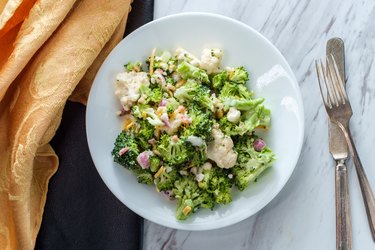
Vegetables containing coenzyme Q10 include broccoli and cauliflower. A standard 1/2-cup serving of chopped and boiled broccoli supplies .5mg of the nutrient. The same serving portion of chopped and boiled cauliflower contains slightly less of the nutrient, at .4mg.
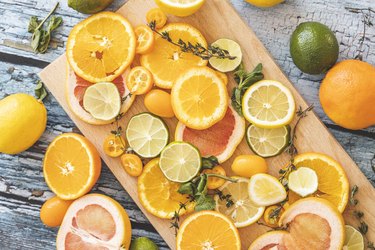
Fruits that contain respectable amounts of coenzyme Q10 include strawberries and oranges. A medium orange contains .3mg of the nutrient. A 1/2-cup serving of sliced strawberries contains just less than half that amount, or .1mg the nutrient.

References

Article reviewed by Roman Tsivkin Last updated on: Mar 23, 2010

Must see: Photo Galleries

Member Comments