









































Collagen is a major component of the skin's structure. The American Academy of Dermatology explains that collagen comprises 80 percent of the total dry weight of the dermis, permitting the skin--the biggest organ in the body--to act as a vital protector against trauma. As long as the skin continues to produce collagen, it appears smooth and taut--young-looking.
Your Skin
Collagen, a protein, is only one of the three components of the skin, according to "The Patient's Guide to Collagen." The skin is also comprised of elastin, another protein, which gives it the ability to stretch and return to its normal state; and glycosaminoglycans (GAGS), complex sugars that are attached to proteins.
Collagen Destruction
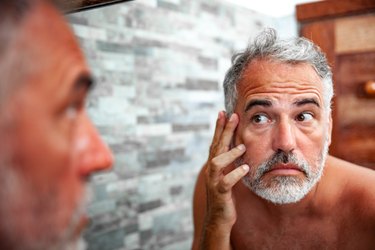
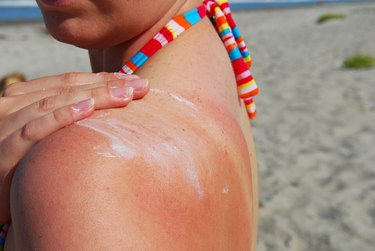
As you age naturally, the AAD states that collagen production in the skin slows down. Additionally, elastin has less "springiness." Sun damage (photoaging) is an eternal factor that hastens the effects of the intrinsic aging process, says "The Patient's Guide to Collagen," resulting in damaged collagen and skin that's unable to produce new collagen. The end result is not only wrinkles, but skin that appears transparent and thin.
Avoiding Sun Damage
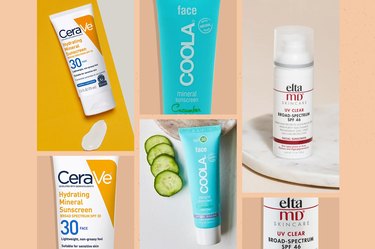
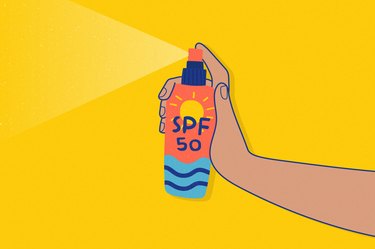
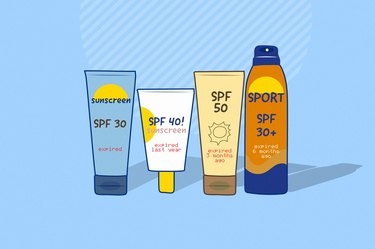
The first weapon in your skin-care arsenal to fight wrinkles associated with decreased collagen production is sunscreen. The AAD advises selecting a product with a sun protection factor of at least 30 and putting it on at least 20 minutes before your skin is exposed to the sun. Wearing protective clothing and hats can also protect your skin, as can avoiding going outside when the sun's rays are most intense--between 10 a.m. and 4 p.m.
Wrinkle Treatments
Consumer skin-care products purporting to get rid of wrinkles and other signs of aging proliferate the market. Mayo Clinic experts caution that the U.S. Food & Drug Administration treats these as cosmetics, not medications, so your results will vary. There are certain active ingredients in consumer products that encourage collagen production, showing modest effectiveness in treating wrinkled skin. These ingredients are retinol, hydroxy acids, tea extracts, kinetin, coenzyme Q10 and copper peptides. "The Patient's Guide to Collagen" points out that the only topical medications approved by the FDA to treat wrinkled skin are those classified as retinoids, such as Retin-A and Renova.
Protecting Your Skin
The AAD notes that the intrinsic aging process usually begins in your mid-20s, even though visible signs of aging may not be noted for a number of years later. Those living in parts of the country where the sun is intense, such as Florida and Arizona, may show signs of external aging as early as in their 20s. You can't stop the aging process, but you can take measures to protect your skin by avoiding the sun and using sunscreen. The AAD also advises quitting smoking and refraining from doing facial exercises.


Member Comments