
































































Gluten & Psoriasis

Gluten & Psoriasis
Photo Credit wheat image by Steve Lovegrove from Fotolia.com

Gluten is a protein found in a large variety of foods. Gluten is classically associated with celiac disease, which is characterized by gastrointestinal discomfort and poor nutrient absorption. A small percentage of people with celiac disease may also have psoriasis, a kind of autoimmune skin disorder. However, evidence for the association between celiac disease and psoriasis is drawn from smaller, older studies and case reports, and is refuted by some current literature.

Gluten

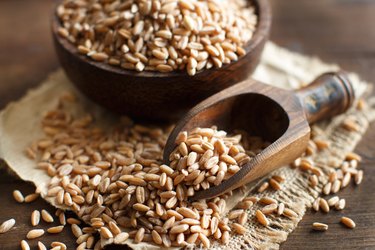
Gluten is a protein found in wheat, rye and barley. These are common ingredients found in most pastas, cereals and a variety of processed foods. When ingested, gluten is broken down into gliadin. Gliadin is then modified by the enzyme tissue transglutaminase into a substance capable of provoking an immune response in some people, known also as gluten sensitivity.

Gluten Sensitivity

Gluten sensitivity is classically associated with celiac disease, a condition that is rarely fatal but can cause some significant discomfort as a result of impaired nutrient absorption. Symptoms of celiac disease include diarrhea, fat malabsorption, abdominal bloating, fatigue and anemia. Additionally, some evidence suggests that the skin disease psoriasis may occur as a result of gluten-mediated immune dysfunction.

Psoriasis

Psoriasis is a multi-system inflammatory disorder that manifests with characteristic skin lesions on the elbows, knees, and scalp. These lesions are typically raised, salmon colored and covered in a fine silvery scale. Although the precise cause of psoriasis is unclear, it is felt to have a strong genetic component, and is likely the result of overactive T lymphocytes.

Gluten and psoriasis

Data from individual case reports, case series and small-scale cohort and cross-sectional studies dating back to the 1970s suggests an association between gluten sensitivity and psoriasis. In most of these studies, patients' psoriasis was observed to improve once a gluten-free diet was instituted. As well, patients with psoriasis were noted to have much higher blood levels of anti-gliadin antibodies. However, in 2007, Kia and colleagues found no association between blood levels of anti-gliadin antibodies and psoriasis. Additionally, to date, no large-scale study has examined the association between gluten sensitivity and psoriasis.

Summary

Because of the small-scale nature of the studies performed, the lack of large-scale confirmatory studies and the presence of conflicting results, current evidence suggests a likely, but not certain, association between gluten sensitivity and psoriasis. However, if you have psoriasis and believe you may also have gluten sensitivity, your doctor can test you for anti-gliadin antibodies. If you test positive, a gluten-free diet may improve your psoriatic symptoms.

References

Article reviewed by Mona Newbacher Last updated on: Mar 28, 2011

Must see: Photo Galleries