


































































When a person eats a meal, the food passes through a tube called the esophagus into the stomach. Acid reflux occurs when the muscle ring that closes the stomach during digestion opens, allowing stomach acid and digesting food to splash back up into the esophagus, causing a burning sensation in the chest. \<br />Acid reflux can be stabilized by low-impact exercise, medication and other lifestyle changes, including avoiding spicy foods.
Chronic Condition
An occasional episode of acid reflux, also known as heartburn, is normal. But when the condition becomes chronic, a doctor should be consulted. Chronic acid reflux means that the ring of muscle that closes the stomach during digestion has become weakened and is opening too often. <br /><br />Chronic acid reflux is called gastroesophageal reflux disease or GERD. The precise reason that the ring of muscle opens too often is not yet understood. But the condition should be taken seriously, because if chronic acid reflux is left untreated, it can sometimes cause esophageal cancer.
Triggers
Chronic acid reflux can develop at any age. The National Heart Burn Alliance is a support group for adults, and the Pediatric/Adolescent Gastroesophageal Reflux Association helps children living with GERD. <br /><br />Episodes of acid reflux are triggered by spicy meals, pregnancy, smoking, some types of abdominal exercises, stress, and many other causes. Each person with chronic heartburn should keep a journal and determine which foods and activities set off an acid reflux attack.
Exercise Changes
Physically active people suffering from acid reflux need to modify their exercises to decrease the chance that stomach acid will be pushed into the esophagus. Some types of high-impact exercises actually trigger acid reflux attacks, as do some types of sports drinks. <br /><br />Jogging, running and weightlifting enthusiasts should consider switching to low-impact exercises, such as walking, bicycling, hiking, swimming, dancing and pilates. In an essay on \"Exercise and Heart Burn,\" the National Heart Burn Alliance specifically warns against exercises that reverse the natural path of digestion, such as headstands or that stress the abdominal muscles, such as situps and crunches.
Couch Potatoes
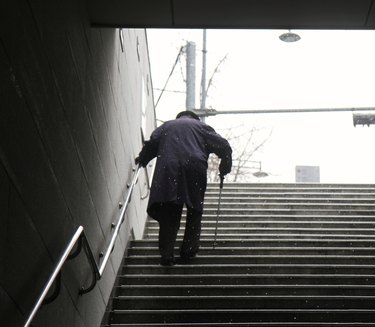
Another type of acid reflux patient suffers from too little exercise--the couch potato. <br /><br />Acid reflux attacks are often caused by weight gain, so that weight around the waistline, or overly tight clothes pressing on the abdomen, force stomach acid into the esophagus. <br /><br />The good news for couch potatoes is that a moderate exercise program will help control acid reflux, including walking around the house, climbing flights of stairs, or walking outside for a half-hour a few times per week. Using a standup desk or walking workstation at home or on the job can be another way to get exercise.
Hope
While acid reflux cannot be cured at the present time, patients following a program of low-impact exercise, avoidance of acid reflux triggers like spicy foods, sleeping in an elevated position and taking medication can confidently look forward to substantial improvements in their condition.
References
- National Heart Burn Alliance: Exercise and Heartburn
- Pediatric/Adolescent Gastroesophageal Reflux Association: Overview of Pediatric Acid Reflux and GERD
- National Digestive Diseases Information Clearinghouse: Heartburn, Gastroesophageal Reflux (GER), and Gastroesophageal Reflux Disease (GERD)
- Mayo Clinic: Barrett's esophagus
- Medical News Today: Scientists Evaluate Walking Workstation For Obese Office Workers


