













































Obese teenagers face a variety of emotional problems beyond the physical dangers of excess weight. These psychological problems can produce self-destructive behavior, including a negative attitude toward diet and exercise. Creating an eating plan and exercise activities that teens enjoy, along with goals that can be tracked to produce self-esteem and motivation, are important to ensuring success. Always consult with a physician before starting any diet or exercise program.
Play vs. Work
If teens feel they must exercise, they will be less likely to maintain a workout regimen. Create an exercise plan that allows teens to have fun while burning fat and building muscle. Fat-burning should be aerobic, which means the activity is moderately or vigorously intense for a sustained period of time. The American Heart Association (AHA) recommends 30 minutes of moderate exercise, five days per week or more vigorous exercise in 20-minute bouts, three times per week. Starting with high-intensity activity may be dangerous for obese teens and may move into the anaerobic phase of activity. Muscle building exercises are important because muscle burns more than fat, so even while they are not exercising, your teen's muscles will continue to burn calories throughout the day, even while they are in school.
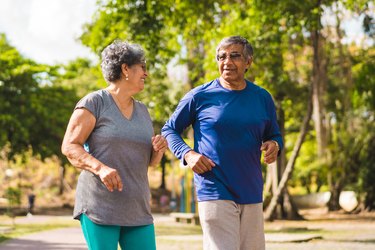
Aerobic exercises include cycling, speed walking, skating, swimming, dancing, jumping rope, jogging or using an exercise machine, like a treadmill or elliptical. While an exercise machine may provide a better workout (more calories and fat burned), if your teen likes cycling or swimming, make the fun exercise the main component of her exercise routine to increase the chance she will continue to do it.
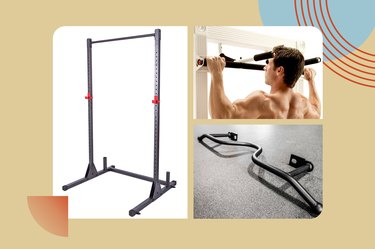
Strength exercises can include body weight exercises, such as chin-ups, pull-ups, push-ups, crunches, squats and lunges. Exercises can be done with dumbbells, free weights or resistance-type exercise machines. Body weight exercises may be difficult or impossible to do for obese teenagers. However, each time the exercises are tried, the muscle will be resisted. Eventually, enough strength will be built to allow performance.
Eat More Often
One key to dieting is to avoid fasting, which leads to increased hunger and overeating. Eat the same amount of calories over five-to-six meals and snacks per day to maintain metabolism and calories. Even eating every two hours is better than eating the same amount of calories twice or even three times per day. Additionally, sticking to a timetable for eating will result in your teen eating when he is not hungry, ensuring he receives his nutritional intake without overeating.
Whole Foods
Getting your sweets from fresh fruit instead of a chocolate bar or having a burger made from lower-fat, grass-fed bison or free-range turkey are examples of letting kids eat foods they like without all the fat, cholesterol and preservatives of packaged foods. Have your teen pack a healthy lunch instead of giving them money for a school lunch.
Track Progress
Measure and weigh your teen prior to starting a new diet and exercise routine. Do not weigh your child every day. This prevents disappointment with poor, short-term results. Weigh and measure weekly for more realistic results. Remember, fat weighs more than muscle. Your child may actually not see a weight loss result as she begins to slim in appearance. Measuring may help by showing a decrease in the waistline, even though there is not a corresponding decrease in weight. Charts, which show number of sits-ups accomplished or hours spent on the treadmill, will increase her self-esteem and further motivate her.


Member Comments