











































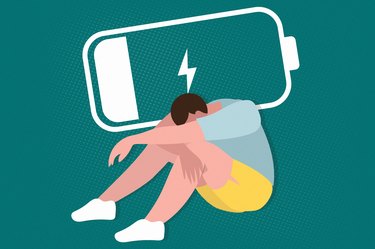



























According to the National Attention Deficit Disorder Association, ADHD, or attention deficit hyperactivity disorder, affects nearly 9 million American adults. While ADHD's cause is unknown, the medical condition is linked to genetics and chemical imbalances in the brain. ADHD suffers experience an inability to focus or control attention during activity. Symptoms include restlessness, anxiety, impulsive feelings and forgetfulness. Untreated, ADHD may affect work, relationships and self-esteem. Incorporating exercise into a treatment program helps alleviate symptoms of ADHD.
Improves Mood and Concentration
Dopamine, serotonin and norepinephrine are three brain chemicals that affect mood, pleasure, pain, focus and attention. Persons with ADHD have a lower than normal amount of brain chemicals, or neurotransmitters. Physical activity increases these three brain chemicals and elevating their levels in people with ADHD. More serotonin, dopamine and norepinephrine improves concentration and helps relieve stress and frustration that often accompanies ADHD.
Instills Healthy Habits
According to Help Guide, a mental health resource, ADHD influences overall health. Disorganization, stress and poor sleeping are all symptoms of ADHD that make it hard to be active, healthy and make smart food choices. Exercise reduces anxiety, improves sleep quality and contributes to weight management. Working out empowers persons to release pent-up energy. It reduces impulsiveness and hyperactivity associated with ADHD. Post-exercise elevation of brain chemicals improves concentration after a workout and may make it easier for people to make healthy food or lifestyle choices. Scheduling workouts and sticking to them creates order and establishes a routine, both of which benefit someone suffering with ADHD.
Focuses Attention During a Specific Period
Engaging in physical activity requires concentration and paying attention to one's bodily movements. Sports, such as taekwondoe and ballet, that require memorization and sequencing of behaviors help a person with ADHD focus her attention and repeat learned movement patterns. ADHD patients benefit from yoga, martial arts, dance or any physical activity that requires deep mental concentration. Dr. Gimpel, the head of The Brain Power Clinic in Jerusalem, advocates mentally challenging physical activity. The concentration required during the physical activity will increase post-exercise focus in a person with ADHD. Additionally, joining a sports team can elevate self esteem and feelings of self worth for someone with ADHD.
Elevates BDNF
Brain-derived neurotrophic factor (BDNF) is a brain chemical responsible for cognitive thought and influences a person's capacity for knowledge. When a muscle contracts or relaxes, a protein, IGF-1, is released into the bloodstream and travels to the brain. In the brain, the protein stimulates brain chemical production, including BDNF. Regular exercise increases levels of BDNF in the body. According to Dr. John J. Ratey, associate professor of psychiatry at Harvard Medical School, BDNF is like fertilizer for your brain. Higher levels of BDNF, due to exercise, increase concentration and mental capacity in a person with ADHD.


Member Comments