





























































Between 14 and 15 percent of 15-year-olds in the United States are overweight, according to the U.S. Department of Health and Human Services. This startling statistic points to a lack of proper diet and exercise among teenagers. Parents can help teens lose weight and form positive, lifelong habits by working with their teen and their child's doctor to form and implement a healthy exercise regimen.
Regular physical activity has many benefits, including reducing your risk of cardiovascular disease, type 2 diabetes, colon cancer and breast cancer. In addition, regular exercise strengthens your bones, improves your mood, ext...
Many schools can no longer offer physical education, but that does not mean physical activity of all sorts has to be eliminated. Here are a few quick and easy ways to get your children's hearts working during the school day.
Hiking can be a challenging activity and requires a positive attitude and determined frame of mind. This form of exercise strengthens the muscles, improves heart health and boosts mood. However, hiking can become a dangerous an...
Exercise helps keep the heart and cardiovascular system healthy. Regular, moderate aerobic exercise of all kinds, from a brisk walk after dinner to sports, running and dancing, plays a role in preventing heart disease and strok...
Too much of a good thing can be bad for your health and heart, including exercise. Hein Heidbuchel, a cardiologist at the University Hospital Gasthuisberg in Belgium discovered that too much endurance training and heavy workout...
Cardiac rehabilitation programs are designed to help you rebuild your life and help you manage your heart condition by educating you on healthy lifestyle habits. Cardiac rehabilitation therapy typically includes education and p...
Protecting your heart through wellness and prevention can reduce your risk of having a heart attack or developing a chronic heart condition. Getting regular exercise and maintaining a healthy diet are essential components to ke...
Cardiovascular health entails your heart and the intricate system of blood vessels that carry blood through your body known as the circulatory system. According to the American Heart Association, cardiovascular disease is the t...
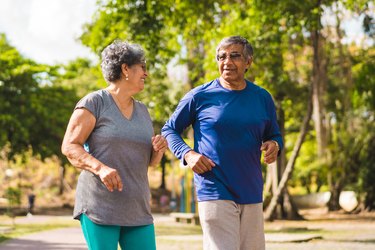
Like every other muscle in your body, the heart benefits from exercise in tremendous ways. Light to moderate activity on most days of the week can dramatically improve heart function and its ability to pump blood through your s...
Cardiovascular endurance describes the capacity of the heart, blood vessels and respiratory system to deliver oxygen and fuel to the muscles for a prolonged period at a steady rate. Exercises that improve cardiovascular enduran...
The "Cleveland Clinic Healthy Heart Lifestyle Guide and Cookbook," states that exercising can help prevent heart disease as well as reverse some of the damage done by past heart problems. If you include a few specific exercises...
Exercise is essential in order to maintain a healthy weight, which will also reduce the strain on your heart. Rather than viewing the two separately, you can view exercise and healthy eating as complementary strategies for impr...
Regular exercise is essential for good health. It helps you control your weight, reduce your risk of type 2 diabetes, high blood pressure and heart disease and maintain healthy bones. Whether you're 16 or 60, you should exercis...
Exercise can help prevent heart disease. According to the Texas Heart Institute in Houston, research has shown that those who exercise are less likely to develop high blood pressure, high cholesterol and heart disease. People o...
A healthy lifestyle combining both exercise and healthy eating can help prevent the development of heart disease. Eating the right foods and performing the right exercises can have a positive impact on your heart health.
Exercise is a major component of an overall plan to prevent and manage heart disease when used alongside healthy eating habits, not smoking and managing stress. Exercise can lower the risk for developing heart conditions and it...
Such damage makes itself known via an oily feel, itchiness or flakiness, says the Discovery Health site. Extensive damage to the scalp can cause hair loss or even sores on the affected areas. There are no definitive exercises t...
By now, you know that exercise does a body good. It's also one of the main steps you can take to reduce your risk of heart disease. Cardiovascular disease is the number one cause of death in the country. According to the Center...
Doctors and scientists have been touting the benefits of exercise on the heart for years. Just as with any muscle, the heart grows stronger when you engage and condition it. Exercise is beneficial even if you already have heart...
People may fail to associate risk factors such as poor diet or inactivity with their cardiovascular health. You can increase your heart health with just 30 minutes of exercise a day, and add two hours onto your life for every h...
Some of the main benefits of exercise are improving and maintaining cardiovascular health. The American Heart Association (AHA) recommends aerobic exercise three to five times a week to maintain heart health. Adding the right e...
There are a number of reasons why exercise is such an important part of keeping a healthy heart. Athletic pursuits not only "work out" the muscles of the heart, but they also help people maintain a healthy weight, blood pressur...
Small by most standards, the human heart is about the size of an average adult fist and circulates about 5 liters of blood every minute while at rest. But as you become more fit, this tiny muscle increases both it
Fatigue is a symptom due to the heart not pumping as well as it should. Depending on how severe your symptoms are, your doctor may suggest mild exercise to help with fatigue. Always check with your physician before starting an ...