

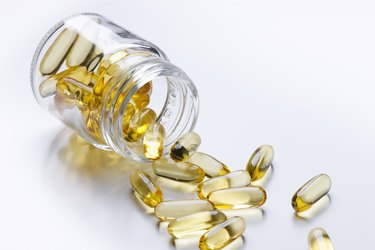
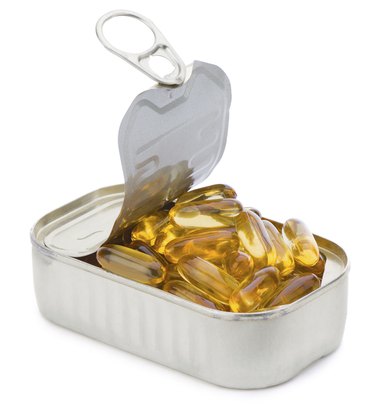

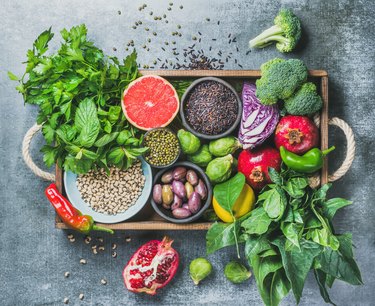



Some fat is good for you and necessary to keep your body functioning properly, but eating the wrong kinds of fat or overindulging in high-fat foods can lead to problems. When choosing your fats, choose the majority of your fat calories in the form of unsaturated fat. Limit the inclusion of saturated fats in your diet and avoid trans fats entirely.
Acidic fluids inside the body may cause unwanted health problems. Alkalizing the fluid can bring it back into balance and optimum health. An alkaline diet seeks to reverse a tendency toward acidity inside the body by having yo...
Diets high in fat, especially saturated fat, are linked to obesity and heart disease. Low-fat, calorie-controlled diets, combined with exercise, lead to slow, sustainable weight loss. A strategy for cleaning up your diet is to ...
Food high in fat and low in dietary fiber work against your efforts to keep your liver free of fatty infiltration. If you already have liver damage, foods with this nutritional profile can make it worse. Consuming too much of o...
Some risk factors include obesity, high cholesterol and type 2 diabetes, suggesting that diet may play a part in developing the disease. To avoid liver disease, Hepatitis Foundation International advises following a balanced di...
Overhauling your diet and incorporating healthier foods and cutting back on foods high in fat can help you prevent these health conditions. Fast food is a major contributor to illnesses associated with eating a poor diet and sh...
In other cases, a single high-calorie food can destroy your nutritional balance.
The USDA Dietary Guidelines for Americans notes that diets with high amounts of total fat usually contain too much saturated fat, which threate...
When the acid-alkaline levels are out of balance in your body, unfavorable health conditions may occur. If the pH levels in the body are acidic on a cellular level, conditions such as fatigue, cancer, allergies, and obesity may...
The American Liver Foundation (ALF) defines a fatty liver as "the build-up of excess fat in the liver cells." One of the biggest risk factors for a fatty liver is obesity, which is caused by excess calorie consumption. Other ri...
Ronald Hoffman, as well as those who are obese. Those suffering from gall stones and other symptoms of a fatty gallbladder have been shown to have high levels of cholesterol in the bile, making it a thick and sticky substance p...
While you may not be able to entirely escape thoughts and images of cinnamon rolls and donuts, you can make your life a lot easier by taking some basic steps to avoid fatty foods.
Fats also increase the risk of heart disease and circulation problems. Reducing your intake of bad fats will decrease these risks. Knowing what foods to avoid or which ingredients to watch for can help make avoiding fatty foods...