















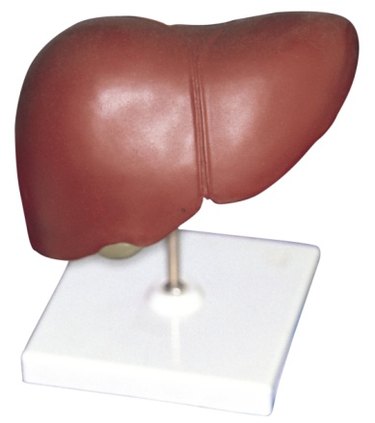



The gallbladder is a pear-shaped organ nestled in the upper right abdomen, just below the liver. The liver produces bile and stores it inside the gallbladder before it secreting it to the small intestine to help aid with digestion. Gallstones may...
The gallbladder is an organ that sits on top of the liver and serves as a reservoir for bile. Sometimes the ducts in the gallbladder can become blocked by small deposits, which can lead to inflammation and intense pain. You will need to follow a...
The gallbladder is a small organ that sits next to the liver and is important for storing bile. Sometimes hard deposits, known as gallstones, form in the gallbladder and will clog up the ducts, resulting in intense pain. Gallstones can be treated...
Gallbladder surgery is generally performed laproscopically, requiring only two to three incisions and providing a faster healing time. More serious conditions require major surgery, leaving your recovery lasting up to six weeks. After your...
The gallbladder works to store bile produced by the liver, but the body can function normally without a gallbladder. As you eat foods, the gallbladder releases bile in a controlled manner to help breakdown the fat in foods. After surgery, or...
Recovering from gallbladder surgery requires making some changes to your usual diet. Following a low-fat diet can help you avoid diarrhea and other gastrointestinal symptoms that can occur following gallbladder surgery. Because the recovery...
The gallbladder is a three to four inch sac underneath the liver. Gallbladder stores a substance called bile that is secreted by the liver. Bile is used in the absorption of fats. Some people suffer from gallstones that are clumps made mostly of...
The gallbladder collects and stores bile from the liver. Cholecystectomy, or gallbladder removal, may be necessary if gallstones collect in the gallbladder and cause upper abdominal pain. In many cases, the operation is laparoscopic, or minimally...
Gallbladder surgery, or cholecystectomy, is performed to remove gallstones or an inflamed gallbladder that may be causing symptoms of abdominal pain, nausea and fever. The gallbladder secretes bile to help digest foods. The higher the fat in the...
A cholecystectomy is the surgical procedure that involves removal of the gallbladder, and over half a million people a year have this procedure. The gallbladder collects bile, which is a fluid produced by the liver that aids in digestion....
Although some individuals report high cholesterol after gallbladder removal, no solid evidence indicates that removing the gallbladder increases cholesterol levels, independent of other factors. Because high cholesterol contributes to gallbladder...
Surgery to remove the gallbladder is the most common way to control chronic gallbladder problems. Gallstones, formed of crystals from your liver bile, can cause severe pain, nausea and high fever. A common procedure performed is laparoscopic...
You may be scared of having gallbladder surgery while welcoming it at the same time. Gallbladder disease and gallstones can be very painful. Normally, your liver produces bile, which is then stored by the gallbladder before it reaches the small...
Many people believe that once they've had gallbladder surgery---also known as cholesystectomy---their gallbladder symptoms will disappear and they will be free to eat anything they want. In most cases, however, the body needs to take some time to...
Gallbladder surgery, the clinical term for which is cholecystectomy, is a procedure routinely performed at hospitals around the country. A laparoscopic procedure, the most common type of gallbladder surgery being performed, involves the removal of...
Surgery is sometimes followed by a lengthy recovery period. Some surgeries do not require any diet modifications, but others may require a special diet to help promote healing, alleviate pain and prevent you from becoming ill. Surgeries --...
The Society of American Gastrointestinal and Endoscopic Surgeons indicates that a cholecytectomy -- or gallbladder removal surgery -- is one the most commonly performed surgeries in the United States annually. Performed through open surgery or...
A cholecystectomy is a surgical procedure that removes the gallbladder. The gallbladder may have to be removed because of diseases like cholecystitis, inflammation of the gallbladder, or choletlithiasis, gallstones. A diet for a cholecystectomy...
If you want to avoid the expense, recovery time and possible complications from gallbladder surgery, you might be considering an alternative treatment such as a liver and gallbladder flush. A flush or cleanse involves drinking olive oil and lemon...
The gallbladder is a small pear-shaped organ of the biliary system. It stores bile produced by the liver, which aids in the breakdown of fats consumed in the diet. The bile is excreted into the gastrointestinal system, specifically the duodenum,...
Cholecystectomy, or the surgical removal of the gallbladder, is a procedure performed when your gallbladder is infected, inflamed or you have recurring bouts with painful gallstones. If medication or sound wave therapies aren't effective in...