














Fructose malabsorption, a condition that causes gastrointestinal problems, does not affect liver function. Fructose intolerance, an inherited disorder, can cause liver disease. The terms fructose malabsorption and fructose into...
The liver is a multifaceted gland that provides vital services to almost every other organ. For this reason, the human body cannot sustain life without a functioning liver, according to Colorado State University. The liver is o...
The newborn liver carries out the same function that it does in adults -- breaking down medicine, toxins and bilirubin, forming the proteins of blood, and storing energy. However, the newborn liver is prone to additional stress...
The medicine, which suppresses your appetite, is designed to support a diet program that includes regular exercise and nutritious meals. The drug manufacturer and the "Physicians' Desk Reference" do not list any effects on live...
Not only is the liver your largest internal organ, it also is responsible for vital life functions like converting nutrients into usable forms and removing toxins and waste products. If your liver is not functioning properly, y...
Individuals with poor liver function may have a variety of associated symptoms such as difficulty processing proteins, fluid retention and acidity. Dietary changes can often help control these symptoms, but individuals with liv...
Although it does not always get a lot of attention, the liver has many essential functions for the body. The liver might become damaged based on the types of foods you eat each day over long periods of time. Additionally, choos...
There are several classes of B vitamins you need to get from your diet or multivitamin each day. Your gallbladder and liver play vital roles in proper metabolism of each of the B vitamins. The B vitamins rely on enzymes from yo...
Amino acids are known for being building blocks of protein, however ornithine is not a protein constituent. Your liver produces ornithine when it converts ammonia to urea.
Your liver then transports the urea to your kidneys fo...
Research shows that if you suffer from liver disease and drink moderate amounts of coffee each day, you gain protection against some serious complications. Coffee could reduce your chances of liver cirrhosis, even if you abuse ...
Your liver is responsible for breaking down protein sources in your daily diet. If your liver function is impaired due to a liver disease like cirrhosis or hepatitis, your physician may recommend restricting protein intake in y...
According to the American Liver Society, your liver helps you turn the food you consume into useable energy, eliminate toxic substances from your body and generate substances that are essential for digestion. Certain foods may ...
The pancreas and liver are both vital organs. If your pancreas or liver ever stopped functioning properly, your life would be in danger. Taking care of both organs through diet, exercise and limited alcohol intake will promote ...
Exercise benefits your body in many ways, both internally and externally. In addition to managing your weight, reducing high blood pressure and cholesterol levels, exercise also helps the liver function better. Lack of exercise...
This crisp, astringent beverage is lauded for its health effects. It can be beneficial in preventing certain diseases of the liver, but as the adage states, too much of a good thing can hurt you. In high dosages, green tea can...
In addition, the liver detoxifies your bloodstream of environmental pollutants, alcohol and medications, and fights blood-borne bacteria. Herbs may help promote healthy liver function and alleviate symptoms of liver diseases, s...
Damaged liver cells leak higher than normal levels of ALP into the blood. Your doctor may test the level of ALP in your blood to screen for liver function. Other health conditions can elevate ALP; your doctor will perform furth...
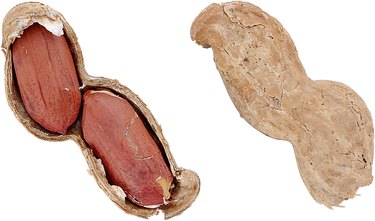
Good sources include beef, salmon and peanuts. Foods that contain tryptophan, an amino acid that converts to niacin in your body, include dairy products and eggs. Niacin obtained from your diet can improve liver function, but n...
Furthermore, according to Science Daily, up to 30 percent of the U.S. adult population and the majority of obese people have nonalcoholic fatty liver disease (NFLD), a condition that can lead to liver failure in serious cases. ...
Your body uses lecithin to metabolize fats. Lecithin also contains choline, an essential nutrient sometimes included in the B-complex vitamin family, which your body uses to manufacture the neurotransmitter acetylcholine. Lecit...
It plays a vital role in the digestion of food and removal of toxins, poisons and other harmful substances from the body. Liver diseases include a wide range of problems, such as cirrhosis, hepatitis and jaundice, that affect t...
Obesity can contribute to a nonalcoholic liver disease known as steatohepatitis, which affects the liver's ability to digest fats. While the disease previously had no known treatments other than lifestyle modifications for weig...
An elevation of the liver enzymes indicates damage or inflammation to the liver cells. When this happens, these enzymes leak out into the bloodstream, where they can be detected and measured with blood tests. The causes for el...
Your liver can regenerate lost tissue. Your liver also performs many important functions, including detoxification, the building of proteins and the synthesis of various substances used in digestion. But this vital organ may de...
It is not a disease, however, but a condition caused by one or several factors, such as diet, genetics or the result of other disease states. There is a direct connection between the function of your liver, pancreas and gallbla...
Your liver is responsible for absorbing macronutrients and micronutrients, digesting your food and removing toxic substances from your body. A larger organ, the liver is located under your ribcage on the right side of your abdo...
Your liver and its health directly impact the rest of your body. The healthy liver may be hidden from your view in the abdomen, but knowing what the liver does for you and how you can protect it could pay off in terms of increa...
Your liver is the largest internal organ in your body. This football-sized organ supports a number of body functions, including food digestion, nutrient absorption and removal of harmful contaminants in the body. Because the li...
Among its many functions, your liver processes food, stores iron and sugar, produces bile and detoxifies your body from poisonous chemicals, according to the American Association for the Study of Liver Diseases. A variety of he...
These lobes consists of thousands of tiny lobes called lobules, each having a vein. The lobules are surrounded by liver cells called hepatocytes. It is the hepatycytes that are responsible for the muti-functions of your liver.
Alcohol affects every organ in the body once it enters the bloodstream, but primarily affects the liver since it is metabolized in the liver by enzymes. Excessive and long-term consumption of alcohol can cause permanent damage ...
The liver is the largest and one of the most important organs of the body. It performs a wide range of functions, including detoxification, protein synthesis and digestion. Abnormal liver function can lead to a variety of disea...
The liver serves many metabolic functions, including the production of enzymes, which are chemicals that help reactions occur in the body. Inflammation or other conditions that affect the liver can cause these enzymes to leak ...
Serum proteins, the most plentiful compounds in blood serum, act differently from proteins in tissue and are diagnostically beneficial when tested. Serum proteins function as enzymes, hormones and antibodies, and impede leakage...
The liver contains a number of enzymes to aid in its many functions. When there is liver damage, these enzymes leak into the blood stream, causing an elevation of liver function enzymes. An elevation of liver function enzymes...
Good nutrition is necessary for healthy liver function. Eating an unhealthy diet can lead to liver disease. While some liver problems are temporary and go away on their own, others can lead to serious health complications. Good...
Your liver doesn't have to hurt to be damaged. A blood test indicating elevated liver enzymes can mean that your liver cells are injured or inflamed. A main cause of elevated liver enzymes is obesity. An unhealthy lifestyle can...
The liver is an important organ that is responsible for numerous body functions, including regulating digestion and nutrient absorption, converting glucose to energy and filtering toxins from your body. Your liver also produces...
Sometimes, people who are undernourished may not be able to eat or, when they try, find eating is difficult. Even if they have someone to help them eat, try to eat just a small amount at a time or eat food that has a lot of fla...
You need a healthy liver for the proper digestion and absorption of nutrients and to properly eliminate toxins in your body. Symptoms of an unhealthy liver include pain and swelling in the abdomen, dark urine, pale stool, fatig...
The liver is the body's second largest organ, after the skin, and is principally responsible for producing bile that digests fats and cleansing the body of toxins. Toxins are more prevalent in 2010 than ever before, and the dem...
It also serves as a reservoir for glucose, the main sugar used for the body's various energy needs. Inside the liver cells are enzymes that help it perform its various functions. Elevated liver enzymes in the bloodstream can re...
Eating a balanced diet rich in iron and fiber supports these liver functions and provides essential vitamins and additional minerals. At the same time, removing nutrients from your diet that slow metabolism, such as excessive f...
The liver is a large vital organ responsible for cleansing your body of toxins and bacteria, producing bile to aid in food digestion and storing nutrients for later use. A healthy-functioning liver performs these tasks readily,...
A compromised liver may have difficulty processing the nutrients in fatty or high-protein foods. Moving away from red meats and toward foods with greater fiber content will promote liver function and ensure that you get the nut...
As the largest organ in the body, your liver is responsible for filtering toxins from your system as well as producing bile to digest fats. Everything you eat eventually passes through the liver in some form. A whole foods diet...
Your liver is the largest organ inside your body. It is located in the upper right-hand portion of your abdominal cavity, beneath the diaphragm and on top of your stomach, right kidney and intestines. Your liver is responsible ...
To assess the health and functioning of the liver, doctors may perform liver function tests that measure the levels of certain proteins and enzymes in the bloodstream. One type of liver function test checks for the total amount...
The liver is responsible for vital bodily functions, such as filtering toxins from the blood, storing nutrients and producing digestive substances and hormones. Supporting your liver function is a useful component of an overall...
The liver's functions include the creation of proteins and the elimination of toxins in the body. Because of these processes, the liver's cells must be renewed regularly in order to avoid pathology. Vitamins are a major part of...
It cleans your blood, stores energy and produces bile, a substance vital for digestion. Cutting back on drinking alcohol can promote the health of your liver, but some foods can also help maintain optimal liver function.
Besides being the biggest internal organ, the liver has nearly 500 functions in the body. For this reason, it can be referred to as the body's filter, refinery and garbage disposal due to its many roles and effects on just abou...
Cirrhosis is a condition in which the liver slowly degenerates and is unable to normally function. Physical symptoms and laboratory data can identify the presence of liver disease. Under certain circumstances, low cholesterol m...
A variety of factors may reduce the functioning of your liver, such as drinking too much alcohol or becoming ill from viruses. Consuming certain vitamins, however, may improve your liver function.
According to the Hepatitis B Foundation, your liver operates in much the same way as the engine in a car. Like an engine, your liver performs a number of functions that ensure other body processes run smoothly. Taking care of y...
Your liver is the largest solid organ inside your body. It is located in the upper right part of the abdomen. More than 400 vital functions have been identified with the liver, according to the University of Southern California...
Vitamin D3 occurs naturally and is made in the skin under direct sunlight and plays a major role in the development and hardening of bones. Low vitamin D or problem with its use leads to weakening of the bone. The liver is impo...
Lemon juice is often called the liver's best friend. It is one of the only foods on the planet that has an atomic structure similar to that of digestive juices. As a result, putting lemon juice in your water can provide your li...
The liver has the ability to regenerate, making new cells and repairing damaged ones, but with more than 100 possible liver diseases, the rate of repair and regeneration cannot always keep up with the rate of damage. When the l...
The liver is directly related to the production of cholesterol in the body. Cholesterol plays an important role in healthy body functions, but an excess of cholesterol due to diet or genetics can create a number of health compl...
A direct relationship exists between your liver function and cholesterol levels. In fact, liver problems can lead to elevated cholesterol in your blood and vice versa. High cholesterol levels can contribute to a variety of chro...
The bile is then emptied into your gallbladder where it is stored until it's needed to help break down food. Without your liver, your body wouldn't be able to process nutrients properly, which is why keeping it healthy is so im...
However, physicians understand that the body has at least two circadian systems: one originating in a specific region of the brain and the other in the liver. When the balance of these systems is disturbed, their regulatory me...
including blood filtering, producing bile, and storing fat soluble vitamins. In an adult, the liver weighs about 3 lbs. and is located beneath your ribs, in the upper portion of your abdomen on the right side. Liver damage or p...
The American Heart Association says that 75 percent of your cholesterol is made naturally from your body and the other 25 percent of cholesterol comes from the foods you eat. The liver has many functions related to cleaning the...
The liver is the largest organ in the human body. Its main responsibility is to detoxify everything that the body processes from elements absorbed through the skin, food and air. The liver's function is to fortify nutrients in ...
Many plants and herbs have beneficial effects on the digestive system. Extracts from a number of these plants are high in compounds that increase or restore liver function. While supplements made from these plants are generally...
The liver is responsible for absorbing nutrients, ridding the body of toxins and digesting food. Proper liver health is crucial for longevity and vitality. A variety of diseases and illnesses can affect the liver. MayoClinic.co...
If your liver fails to function properly, you may feel tired and sluggish. You may also lose your appetite, develop other gastrointestinal symptoms, or even appear yellow or jaundiced, according to MedlinePlus. If you show sign...
A liver function test is a group of blood tests that physicians use to evaluate liver function. Some tests included in the liver function panel include albumin, ALP, AST, ALT, Gamma-glutamyl transpeptidase, prothrombin time, se...
The liver is the biggest organ in the human body, weighing about three pounds, states American Liver Foundation. It sits on the right side of your body under your ribs and serves several functions. For instance, it acts as the ...
It also controls the regulation of fat stores and cholesterol levels, according to the International Hepatitis Foundation. Additionally, the liver metabolizes alcohol and gets rid of potentially poisonous substances. If you wan...
According to the Mayo Clinic, doctors can assess the health of an individual's liver by performing a liver function panel. A liver function panel is a series of blood tests that measures the levels of enzymes and proteins in th...
Medical professionals commonly rely on blood tests to screen for liver disease. Liver function tests measure the levels of enzymes and other blood chemicals. The results of these tests help doctors assess the overall health of ...
The liver and kidneys work together to expel toxins that result from your body's metabolism of foods and drinks. These functions are of primary importance to overall health and longevity. Enhancing the detoxifying functions of ...
But most liver diseases have one feature in common: the liver doesn't function as well as it should, according to MedlinePlus. If your physician has diagnosed you with liver disease, you may need to follow a special diet to imp...
Orange urine and elevated liver function blood tests are caused by a number of liver diseases. Urine that appears orange or darker than normal occurs in people with jaundice, a yellowing of the skin and eyes. Jaundice comes fro...
The liver serves many different functions in humans and animals of similar physiology. In addition to detoxifying the blood, the liver also synthesizes, or builds, important macromolecules. It's a storage warehouse for sources ...
Liver function test is the measurement of the levels of liver enzymes, alanine transaminase and aspartate transaminase, the proteins that speed up chemical reactions in the liver. When the level of these liver enzymes becomes...
A liver function test is a blood test used to determine any disease, damage or impact on the liver. The health of the hepatic, or liver, system is reflected in this panel of tests that include clotting abilities, liver enzymes ...
Many diseases can affect the liver and cause it to function abnormally. When this occurs, a liver function test will reveal abnormal liver enzyme levels. Once the underlying cause of disturbed liver functioning is found, steps ...
If your doctor has diagnosed you with liver disease, you'll need to make some significant changes in your diet. A conventional diet might stress your liver too much, causing reduced function, according to the National Library o...
It is the largest internal organ of your body, and it serves as the "engine" that keeps all the body's systems running smoothly. Because of its regenerative abilities, the liver can function even if 75 percent of it is removed ...
Medical professionals order liver function tests to evaluate overall liver health. With liver function tests, the laboratory measures the levels of certain proteins and chemicals in the blood. Abnormally high liver function tes...
Liver function test refers to a group of tests that screen the blood for enzymes and proteins produced in the liver. By determining the level of these substances, this group of tests can determine the presence of liver disease ...
The liver is responsible for detoxifying harmful substances from the body, converting nutrients into energy and producing cholesterol. Several conditions can negatively impact liver function, including viral infections like hep...
The liver's job is to clean the body of toxins by processing drugs and detoxifying the blood. Hepatocytes or liver cells also provide necessary building blocks such as amino acids and glucose. Elevated liver enzyme blood tests ...
Peroxisomes are oval, sac-like organelles that exist in many cells in the body but are most abundant in the liver cells, or hepatocytes. These microscopic cellular structures are so named because they generate hydrogen peroxide...
The liver stores vitamins, iron and sugar to energize the body, regulates cholesterol production and removal, detoxifies the blood, aids in blood clotting and fighting off infection and aids the gastrointestinal system by relea...
The countless functions of the liver include digestion of proteins and fats, purification of the blood via removal of toxic wastes, control of glucose levels in the body and the production of proteins needed for blood coagulati...
It is formed of specialized cells called hepatocytes that are arranged in layers around a network of channels and ducts inside the organ. These channels and ducts are important for blood filtration and transporting digestive fl...
The liver maintains the body's blood supply, handling about a pint of blood at a time during an ongoing process. The organ also helps in digestion and preserves energy levels among various activities to keep the body functionin...
The liver is an important organ that fulfils several functions, but most importantly, the liver maintains a favorable internal environment for normal cellular function.
The liver is an organ located just below the diaphragm in humans and is made up of four lobes. The left lobe, right lobe, quadrate lobe and caudate lobe make up the structure of the liver. Each of the lobes of the liver consist...
The role of the liver is to remove toxins from the blood and help digest food and turn it into energy for the body. Vitamins are essential for overall health, but some are especially important for the liver. Vitamin deficiencie...
It is about the size of a football and is located on the right side of the abdomen under the rib cage. It helps to digest food, absorb nutrients and remove toxins. While it is usually able to heal itself after short-term dam...
Liver function blood tests check for liver disease or damage such as cirrhosis, chronic liver failure or hepatitis. A doctor may also use the tests to monitor how the liver responds to treatment. Some liver function blood tests...
The liver possesses extraordinary metabolic diversity, performing hundreds of different chemical reactions to accomplish a broad array of functions that support the human body. Among the most important of the many functions of ...
You may already have heard of its use as a supplement to help you sleep or to help with jet lag. It is now being studied for more than just sleep functions, as it has potential as an antioxidant. Because these studies are new, ...
The liver is the largest gland in the body. It has several important functions, including control of metabolism, deactivation of hormones, manufacture of digestive compounds and detoxification of drugs and toxins. Proper liver ...
The liver is a large organ located in the upper right part of the abdomen. It has many functions, including detoxifying the blood from chemicals and drugs, processing food, storing energy and killing dangerous germs. Following ...
A majority of medications must pass through the liver to be broken down and distributed to the rest of the body. Liver injury due to medical complications can sometimes impede the proper metabolizing of drugs in the body. Howev...
The liver has an amazing capacity to regenerate after injury, but can become permanently damaged by cirrhosis, hepatitis and certain medications. Supporting the liver with herbs and supplements may improve its function, repair ...
It is located in humans on the right side of the upper abdomen and consists of four unequally sized lobes. The many functions of the liver are carried out by the hepatocytes--the chief functional cells of the liver. In the "Bio...
Liver function tests, also known as liver panels, are blood tests that examine levels of proteins and enzymes. They are usually used to determine if a disease is present or to manage the treatment of patients with known liver d...
Your liver is the largest and one of the most vital organs in your body, according to the National Institutes of Health (NIH). Your liver aids in the digestive process, converts food into energy and clears out toxins from your ...
Physicians use liver function tests to measure how well the liver is functioning as well as to indicate the presence of a disease and manage liver diseases. MayoClinic.com notes that some of the things liver function tests look...
According to the Centers for Disease Control and Prevention, 27,555 people died from chronic liver disease in 2006. The liver is a very important organ, with more than 200 functions. Thus, any disorder that causes severe liver ...
Liver function tests are biochemical measurements of blood levels of various substances to assess overall liver health. Although the term "liver function tests" is commonly used, it is a misnomer because none of these measureme...
According to the Mayo Clinic, liver function tests are blood tests that doctors use to determine whether a patient has a damaged or diseased liver. Some of the tests assay the blood levels of certain enzymes that the liver secr...
The liver, a large reddish brown organ found in the upper right portion of the abdomen, carries out more than 500 bodily functions, the University of Alabama at Birmingham (UAB) states. The body's blood supply passes through th...
The liver is a large organ in the upper right abdomen, protected by the lower rib cage. This organ carries out more than 500 known functions, according to the University of Virginia Health System. Liver functions can be broadly...
It is a gland because it secretes bile. The liver detoxifies the body of ingested drugs, harmful chemicals and alcohol. It breaks down and stores carbohydrates. The liver stores cholesterol and regulates cholesterol levels in t...
Testing levels of various substances in the blood can provide information about how the liver is functioning and whether it is currently sustaining damage. These blood tests are collectively referred to as liver function tests,...
The liver serves many functions. It stores glucose so you have an energy reserve, makes and stores proteins, makes hormones and the factors that are needed for clotting, and gets rid of toxins. Several diseases can affect the l...
The liver is the body's clearinghouse for toxins and waste products and an important synthesizer for many of the body's proteins and fats. Decreased liver function may occur slowly over time, with few symptoms until severe dama...
The liver is a reddish-brown organ that is in the upper right portion of the abdominal cavity. The liver's functions include the production of bile, which removes waste and aids in the digestion of fat in the small intestine; r...
The liver--an organ found under the diaphragm and on top of the stomach, right kidney and intestines--is known to be responsible for more than 500 vital functions in the human body. Two of the most well-known functions of the l...
It is the largest gland in the human body, according to Procto-med.com. The liver is part of the gastrointestinal system and is located in the upper abdomen to the right of the stomach. The liver carries out many functions nece...
The liver works to remove toxins such as alcohol from the body. However, when too much alcohol is consumed, the liver can become damaged and unable to perform its essential functions. This can have potentially life-threatening ...
Inflammation, infection or damage caused by toxins or other physical or chemical changes can damage the liver and impair its normal functioning. Because the liver is responsible for so many functions in the human body--includin...
Bile is rich in lipids, and also contains water, electrolytes, bile acids, phospholipids, cholesterol and pigments. Once the bile is secreted into the small intestine and performs its function, the bile acids are reabsorbed in ...
The liver can be damaged when it is forced to do too much work and is not able to function the proper way because of unhealthy nutritional practices. But left to act the way it was meant to, it can cleanse the body of toxins, p...
The liver is the organ whose primary functions are to cleanse the body of toxins and help with digestion. It processes medicines, alcohol, foods, fats and whatever else that goes in your mouth. Because of all the use and someti...
Heavy drinking leads to liver damage. Because the liver is so important to keep the body functioning, anything that affects the liver also influences other body systems. Liver disease can have a profound effect on brain functio...
Liver function tests (LFT) are blood tests that measure enzyme and protein levels in your blood. Abnormal results on LFT indicate that there's a problem affecting your liver, a situation that warrants further investigation. Liv...
Herbal therapy has been working to help the liver for centuries. Even before people knew the actual function of the liver, they were wise enough to use certain herbs that helped treat various illnesses. The poor functioning of ...
On branch carries bile from the liver to the gall bladder and the other carries bile to the duodenum of the small intestine. The gall bladder is not part of the liver but it sits in a space on the underside of the liver, next t...
The liver is a small, three-pound organ that has many functions: Blood leaving the stomach and small intestines passes through it. It regulates most of the chemicals found in blood, and produces bile, which breaks down fat for ...
In a healthy adult, the liver weighs approximately three pounds and has two lobes, separated by a ligament. The liver has over 500 different functions and affects several different systems within the body. As part of the digest...
According to the University of Virginia Health System, the liver performs "more than 500 vital functions." The liver is also unique in being able to regenerate itself, and it can function even when almost three-quarters of its ...
One of its main responsibilities is to purify and cleanse the blood of toxins. It also produces a substance called bile, which helps break down fats, and it is a storage site for carbohydrates called glycogen. The way to improv...