































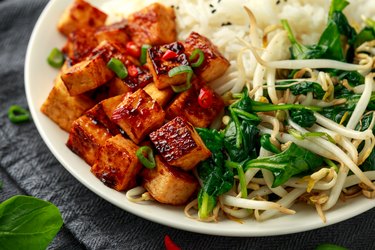

















Vegans and vegetarians rely on meat alternatives, such as beans, tofu and faux meats to supply certain key dietary nutrients. Non-vegetarians may also benefit their health by substituting meat alternatives for meat in some of their meals. By...
Protein is an essential nutrient. You need about 50 grams to 175 grams of protein per daily, based on a 2,000-calorie-a-day diet. You can choose from numerous foods to help fulfill your daily recommended intake of protein. In addition to meat such...
There are several ways to use vegetables as an alternative to meat. One of the most delicious substitutions is using a Portobello mushroom as the "meat" to a juicy, grilled burger. Serve it on a whole-wheat bun with some cream cheese, tomatoes...
Short ribs are a succulent beef cut known for their fall-off-the-bone tenderness, but they are not a heart-healthy menu choice. With 250 calories, 15 g of fat and 80 mg of cholesterol in just a 3-oz. serving, short ribs are one of the high-fat...
Substituting plant-based sources of protein for meat is healthy and cost-conscious. It isn't difficult to get adequate amounts of protein without eating meat, and the American Diabetes Association points out that most Americans consume more...
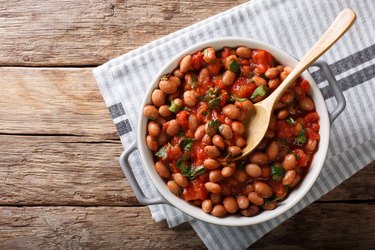
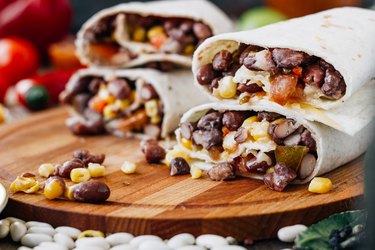
It might seem hard to replace high-fat meats with healthy alternatives, but one easy way to do it is to replace fatty ground beef with high protein beans. Not only are canned beans a convenient replacement for some or even all of the ground beef...
Protein is the building block for all of the functions your body carries out each day. You should get about 8 grams of protein for every 20 pounds you weigh, advises Harvard School of Public Health. While meat, such as beef, pork and poultry, are...
Vegetarians choose not to eat meat. Most vegetarians avoid beef, pork, poultry and fish, although individuals may make exceptions. According to the American Dietetic Association, vegetarian diets may lead to lower cholesterol and lower rates of...
Canada's first food guide premiered under the title the Official Food Rules in 1942. The first years of the food rules focused on war-time rationing and showcasing the nutritional value of available foods. Since then, five modifications have been...
Purines are naturally produced in your body. However, you can also get them from eating specific foods such as organ meats, herring, anchovies, and some fruits and vegetables. An excess consumption of purines can put you at risk for developing...
Your gallbladder is a small organ attached to your liver. Its primary functions are to store and concentrate the bile your liver makes, and secrete it into your small intestines to aid in the digestion of fat. Biliary dyskinesia is a condition in...
Being underweight can be just as detrimental to your health as being overweight, according to the authors of "Krause's Food, Nutrition and Diet Therapy." Weight loss is a common symptom in uncontrolled diabetes, but managing blood sugars by...
Canada's food guide is displayed as a rainbow to illustrate the different proportions the food groups should have in the diet. The larger band is occupied by the vegetables and fruit, followed by the grain products, the milk and alternatives and...
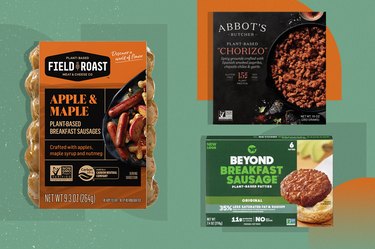
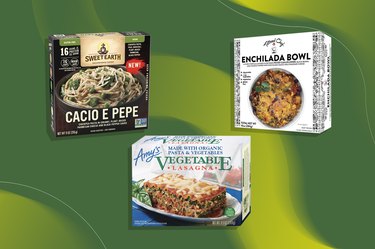
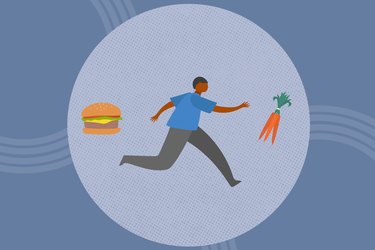
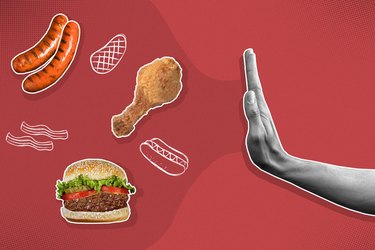
As nutrition experts continue to find reasons to avoid saturated fat and red meat, more people are moving to meat alternatives, and many companies are developing products to meet the demands as the trend away from meat extends to non-vegetarians....
Vegetarians typically choose to follow one of two paths, vegan or lacto-ovo. A vegan eats nothing that has any animal source at all, including eggs and dairy products or any food made with those ingredients. Lacto-ovo vegetarians include eggs and...
Many people are eating vegetarian these days. There are many reasons to go vegetarian---whether it's the choice to eat cruelty-free, save money or pursue a healthy diet. According to the Mayo Clinic, vegetarians generally eat fewer calories and...
Having a sound plan diet and nutrition plan will guide you safely to your goals. Knowing what to look for and where to find plans that are reputable and based on research is important for your health.
A sound plan will mention most of the...
Most of the food you eat turns into sugar as a source of energy for your body. A diabetic may have difficulty getting sugar from the bloodstream into the cell to supply the needed energy because of problems with insulin -- the hormone responsible...
Red meat is part of the protein food group, which also includes poultry, fish, beans, peas, eggs, nuts and seeds. This group is your body's source of protein, but also supplies other nutrients, such as B complex vitamins, vitamin E, iron, zinc and...
A gluten free diet is recommended for children with celiac disease. Celiac disease is an immunological disorder that damages the digestive system, preventing the absorption of important nutrients. The Nemours Foundation states that a baby has a 5...
A balanced meal plan aims to provide you with the right amounts of calories, protein, vitamins and minerals to help you stay healthy and maintain a healthy weight. It includes a variety of healthy foods from each food group. How much you need to...
Protein is an essential nutrient needed for strong bones and healthy muscles, skin, blood and hormone levels. Both animal and vegetable sources provide adequate amounts of protein. Doctors at the Mayo Clinic report that both sources are equally...
More than 80 percent of people with type 2 diabetes are obese, according to the International Diabetes Federation. Following a low-calorie meal plan can help you lose weight and improve your blood sugar levels. A low-calorie meal plan should...
Diverticulosis effects about 10 percent of the U.S. population over the age of 40, according to the National Institute of Diabetes and Digestive and Kidney Disorders. Diverticulosis is a digestive condition characterized by multiple pouches lining...
It is estimated that more than 300 million people around the world have diabetes, according to the International Diabetes Federation. Diabetes is characterized by elevated blood sugars due to an inability to make or properly use insulin. Insulin...
The premise of the Zone diet is to create balanced meals to control hormone levels. Each meal and snack on the Zone diet is comprised of 40 percent carbohydrate, 30 percent protein and 30 percent fat. This type of meal planning helps to control...
Gastroesophageal reflux, commonly called acid reflux, occurs when your lower esophageal sphincter involuntarily opens and allows stomach acids to retract into your esophagus, notes the National Digestive Diseases Information Clearinghouse....
The American Journal of Clinical Nutrition states that a vegetarian diet that is naturally high in complex carbohydrates and low in fat is an optimal sports diet. If you are concerned about not eating enough protein as a vegetarian, studies...
Lactose is also commonly called "milk sugar." People who suffer lactose intolerance are unable to break down lactose in their intestines because they lack a key enzyme called "lactase." When lactose-containing foods are consumed, symptoms can...
Getting energy from your foods is an important part of choosing a diet that fits your activity level. Try these tips for buying energy foods in this healthy shopping video.
Beans can be a great substitute for meat considering they're high in vitamins, fiber and minerals. Learn how to pick your own healthy beans in this video clip.
Chicken is a popular meal for home cooking, with many varieties of preparation. Try these tips for buying chicken in this healthy shopping video.
Turkey can be eaten on occasions other than Thanksgiving and country fairs. Try these tips for buying turkey in this healthy shopping video.