

























This condition, known as osteoporosis, leaves bones unnaturally brittle and prone to breakage. Regular exercise and a diet rich in bone-building nutrients can help prevent loss of bone density. Calcium is the best known compone...
Static shocks can come from almost anything, as most things carry some sort of electrical charge. Anything that is made of metal or has metal parts has a particularly high chance of carrying static electricity. In the case of t...
Cardiomyopathy, which is the weakening of your heart muscle, the myocardium, can lead to sudden heart failure and death. The risk of this varies with age, sex and degree of cardiomyopathy, according to a 2000 study in the "...
The United States has record rates of obesity and cardiovascular disease, and heart disease is the nation's number one killer. Omega-3 fatty acids have been heralded as a way of counteracting some of the negative effects of the...
That's because some fish are high in the anti-inflammatory agents known as omega-3 fatty acids. Omega-3s are linked to lowering cholesterol and blood pressure and boosting immunity. But, not all fish contain high amounts of the...
Walleye are the largest member of the perch family, according to the Michigan Department of Natural Resources. Walleye cooked using a dry heat method like broiling has about 148 calories per 4.4-oz fillet. It is rather lean wit...
If you have a child with ADHD, it's a natural impulse to want to do anything at all to help. But the scientific data supporting fish oil's benefits is far from conclusive, and the research specific to pre-school age old childre...
Omega-3 fatty acids are essential nutrients found in many foods, including many vegetable oils. Omega-3 fatty acids are effective in reducing cholesterol levels and preventing heart disease. Common examples of omega-3 fatty aci...
This means that the body is unable to synthesize them, but they are needed by the body, and therefore must be obtained in the diet. Omega-3 fatty acids are so named because they contain a double bond after the third carbon atom...
Sunflower oil, made from the sunflower plant, contains no essential omega-3 fatty acids. Sunflower oil does contain omega-6 fatty acids, which are also essential for health but are found in far more dietary sources than omega-3...
Olive oil and linseed oil, or flax seed oil, are particularly good sources of unsaturated fatty acids, and they may help you improve your heart health. For the most benefits, eat them in moderation as part of an overall balance...
Prahok, or fermented fish paste, is a standard ingredient in Cambodian cuisine. It has a distinctive, strong flavor, so no matter how you use prahok, a little goes a long way. Prahok sauce, using prahok as the sole ingredient o...
In other words, these fitness professionals are putting balance aids like the Bosu trainer to work, helping their clients coordinate muscles and nerves to balance on the type of unstable surface you can easily encounter in real...
These fatty acids play an important role in cognitive function and memory. Omega-3 deficiency can cause fatigue, memory problems, heart problems, mood swings, depression and poor circulation. Fatty fish and fish oil supplements...
While this fatty acid benefits you, be sure to get an adequate ratio of omega-3 fatty acids as well to ensure a healthy diet. Consult your health care provider before taking omega-6 fish oils as a treatment for any medical cond...
Omega-3 is an essential fatty acid with a treasure trove of health benefits. Found naturally in certain types of fish and plants, omega-3 is a building block for fetal vision development and brain function. In adults, omega-3 l...
Evening primrose oil and omega-3s are different types of essential fatty acids. Evening primrose oil falls under the heading of omega-6 fatty acids, which, like omega-3s, are not manufactured by the body. You must get these ess...
While fish oil is one of the more common omega-3 supplements, other types of omega-3 supplements also include nutrients from this group of essential fatty acids. While many adults can follow a recommended dose guideline, there ...
Of the three, DHA and EPA are better documented as providing health benefits, while there is less support for the benefits of ALA. Fish oil contains both DHA and EPA, while some nuts such as English walnuts and certain vegetabl...
Both eicosapentaenoic acid, or EPA, and docosahexaenoic acid, or DHA, make up the omega-3 fatty acids. Doctors often recommend omega-3 supplements for fighting high cholesterol and heart disease. Speak with your physician befor...
Omega-3 oil contains the essential fatty acids docosahexaenoic acid and eicosapentaenoic acid. Besides reducing inflammation and boosting the metabolism, DHA and EPA play a role in fetal brain development and improve brain func...
Natural sources of omega-3 include fish oil, eggs, flaxseed and canola oil, while the omega-6 in your diet comes primarily from corn and other plant-based oils. The National Center for Complementary and Alternative Medicine rep...
Docosahexaenoic acid, or DHA, is an omega-3 fatty acid, which is a type of polyunsaturated fat, or PUFA. DHA plays several roles, most importantly in neurological function. This type of fat is essential, meaning your body canno...
Omega-3 fatty acids are a class of essential nutrients that are probably lacking in your diet. Many health professionals recommend fish oil supplements to increase dietary intake of omega-3 fatty acids. The omega-3 fatty acid a...
Omega-3 fatty acids and olive oil protect you from heart disease by improving cholesterol levels. Including fish and other foods with omega-3s and substituting olive oil for unhealthy fats in your meals helps make a heart-healt...
Most fish oil supplements are combined with vitamin E, calcium, iron or other vitamins to increase potential health benefits. MedlinePlus suggests consuming 1 to 4 g of fish oil per day for health purposes.
It is normally cold-pressed from the seed of the hemp plant. In its unrefined form, hemp seed oil is a grassy green color and has a distinct, nutty flavor. Hempseed oil contains the most important omega-3, alpha-linolenic acid,...
Krill oil, derived from small, ocean-dwelling crustaceans, is an excellent source of two omega-3 fatty acids, eicosapentaenoic acid (EPA) and docosahexaenoic acid (DHA), which are also found in fatty fish. Unlike fish oil and o...
Fatty acids are an important source of fuel and energy for your body, especially in tissues such as your heart and skeletal muscle. Your body cannot naturally produce fatty acids, so you will need to get your fatty acids from e...
Omega-3 oil is a specific type of polyunsaturated fat. Omega-3 fatty acids contain more than one double bond in the fatty acid chain, with the first double bond occurs between the third and fourth carbon atom. Although humans c...
A variety of research has been conducted on the benefits of fish and fish oil, which are rich sources of omega-3 fatty acids. Omega-3 fats are a healthy form of unsaturated fatty acids that may benefit heart health by reducing ...
Omega-3 fatty acids are a type of beneficial fat that have a variety of different roles in the body. Fatty fish are a good source of omega-3 fatty acids and fish oil is often used as a omega-3 supplement, which can be problemat...
Omega-3 fatty acids are among these beneficial fats, as they aid in proper growth and development -- and may also help stave off certain chronic conditions. Omega-3 fatty acids can be found in foods such as fatty fish and olive...
This fat is rich in a type of polyunsaturated fat, known as omega-3 fatty acids. Omega-3s have been linked to heart health, weight loss and decreased cholesterol in the body. Adding salmon oil to your diet can improve your
One is a component of the other, but they are not the same thing. Omega-3 is a term you may hear often when discussing a balanced diet or nutritional needs. Learning the importance of some fatty acids in your food will point ou...
You can get the omega-3s from both sources by consuming the whole food or in supplement form as oils extracted from flax or fish. Understanding the difference between the different types of omega-3 fatty acids can help you deci...
Diabetics have difficulty regulating their bodies' insulin levels. Long-term health consequences of diabetes include cardiovascular problems, as well as damage to the eyes and organs. Omega-3 fatty acids are a healthy form of f...
These polyunsaturated fats must come from the diet and cannot be made within the body. A diet rich in omega-3 fatty acids can provide numerous physiological benefits. According to the Office of Dietary Suppleme
Omega 3 fatty acids are not made by the body naturally, but rather have to be ingested. These fatty acids have numerous benefits for adults and children alike. For your child to get omega 3 fatty acids in his diet, you will hav...
One of the best ways to get omega-3 fatty acids is to eat fatty varieties of fish. These fatty acids are essential to a healthy brain and the normal growth and development of your body, according to the University of Maryland Med
A number of traditional medications treat ADHD, but some cases may benefit from alternative therapies, such as behavioral therapy. Some natural health practitioners advocate proper nutrition and the use of certain dietary modif...
population, according to National Psoriasis Foundation. It is usually diagnosed between the ages of 15 and 25, although it may develop at any age. Up to 30 percent of psoriasis sufferers develop arthritis. If you suffer from t...
Department of Health and Human Services. Fish are a well-known source for omega-3 fatty acids, but some plant-based foods also provide a good source of omega-3, including some types of cooking oil.
Krill oil has gained media attention in light of the omega-3 fatty acid craze. To date, the most researched and nutritionally validated omega-3 oil comes from fish, notably salmon, sardines and tuna. Confusion over krill stems ...
Fish oil is a supplement that contains omega-3 fatty acids, which are the most commonly used non-vitamin and non-mineral supplements in the United States, the National Center for Complementary and Alternative Medicine notes. Al...
This is because they often have high triglycerides and low levels of "good" or HDL cholesterol, which puts them at higher risk for suffering from cardiovascular disease. Omega-3 fatty acids from a variety of foods or in supplem...
Dietary sources include cold-water fish such as salmon and mackerel. Venison and bison also provide excellent sources. You can find omega-3 as a dietary supplement sold in capsule or liquid form. Many of the health benefits of ...
Omega-3 fatty acids are essential fats your body can't make, so you need to get them from your diet. Important dietary sources of omega-3 fatty acids include fish oil and some plant oils like flaxseed oil, walnut oil, canola oi...
These healthy fats cannot be manufactured by the body and therefore need to be obtained from diet or supplementation. Research suggests that omega-3 oil can provide several health benefits but may also raise a few concerns. Con...
Omega-3 fatty acids contribute to the body's blood-clotting ability, help reduce risks of heart disease and may help prevent or control rheumatoid arthritis and certain types of cancer. A major source of omega-3 fatty acids is ...
Krill, which consume phytoplankton, contain large quantities of omega-3 oils. Scientific research has revealed considerable health benefits of krill oil for a variety of conditions.
Because they cannot be manufactured in the body, they must be obtained through the diet. Fatty fish like mackerel, herring, salmon and tuna are among the most abundant sources. For non-fish eaters, fish oil that is pressed from...
A disfiguring autoimmune disease that causes skin lesions and increases the risk of other health problems, psoriasis is difficult to eradicate and often requires a combination of treatments. Omega-3 fatty acids found in fish oi...
Omega-3 fatty acids, also known as "good" fats, are essential for your survival. They offer a variety of benefits, including maintenance of your brain, eyes, hair, skin and bones. Omega-3 fatty acids have been known to help wit...
When your immune system reacts to a foreign substance such as pollen or food, allergies can occur. Your immune system then produces antibodies to protect you. Inflammation of the digestive and respiratory systems most commonl...
Research reveals that the brain functions optimally on the omega-3 oils, docosahexaenoic acid, DHA, and eicosapentanoic, EPA, which are found in high concentrations in fish oil.
While a healthy diet often provides adequate supplies of both omega-3 and omega-6, supplementation is often necessary. The Linus Pauling Institute recommends consuming 7 g of omega-6 and .5 g of omega-3 each day. Omega-3 and om...
Considered an essential nutrient because they cannot be manufactured by the body, Omega-3 fish oils protect the body from a number of disorders and diseases. Interestingly, the health benefits of Omega-3s are actually found wit...
While some foods, like junk food, contribute little to a healthy body, there are some foods that deserve to be crowned Mother Nature's miracle foods. Whether heart-healthy, brain-friendly, or immune system boosters, the best di...
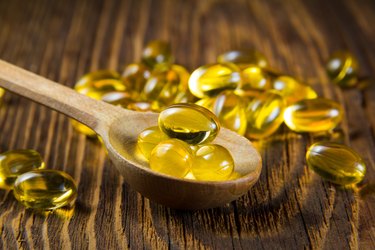
Fish oil contains an abundance of omega-3 fatty acids. These fatty acids have numerous therapeutic uses. As a dietary supplement, fish oil is typically marketed in capsule form and can be found in many health stores. Understand...
Antarctic krill are the largest of the krill species and are the main food source in the Antarctic for fish, sea birds, penguins and some whales. People rarely eat krill, although recent research into krill oil supplements has ...
The National Center for Complementary and Alternative Medicine at the National Institutes of Health points out that most Americans consume too few omega-3 fatty acids and too many omega-6 fatty acids. A diet high in omega-3 fat...
Cod is a lean, white meat that offers an abundance of nutritional value. You can consume cod meat as a fillet or in fish and chips, stews, soups and pasta dishes. You can also take cod liver oil supplements.
Walnut oil is a good source of omega-3 fatty acids. Omega-3s are essential polyunsaturated fats that your body cannot produce; you must obtain them from food. Dr. Frank Sacks, of the Harvard School of Public Health, reports tha...
Flaxseed oil contains essential omega-3 and omega-6 fatty acids, which the body needs to stay healthy. The oil is sold in gel cap and liquid forms at grocery and health food stores. Clinical studies on flaxseed oils show they h...
Polyunsaturated fats, which have multiple properties as well as molecular bonds, are essential for the body's health. Omega-3 is not naturally produced; that is why this fatty acid must be obtained from food items, such as cold...
Omega-3, -6, and -9 are fatty acids that help in the normal function of all body systems. Omega-3 and -6 are essential fatty acids that have to be consumed in the diet because the body cannot make them. Omega-9 fatty acids can ...
According to the journal "Gastroenterology Research and Practice," diseases such as obesity and high blood pressure have reached epidemic proportions. Fingers point to the contemporary diet, which is high in polyunsaturated fat...
The oil from these seeds contains omega-3 fatty acids which are essential for the body to function. Alpha linolenic acid, or ALA, is the omega-3 fatty acid found in flax oil. It is not as efficiently used by the body as the cou...
Most spine injuries occur as a result of motor vehicle accidents, although sporting activities account for about 7 percent of these injuries. Attempts are being made to test the effects of various chemicals on repairing damaged...
A lack of tears in the eyes or tears that are not normal can lead to this disease; eyelid issues and medications may also contribute to dry eye symptoms. Artificial tears and other lubricants are the initial treatment; however,...
These omega-3 fatty acids cannot be manufactured by the body and therefore need to be acquired through diet or supplementation. Research indicates that omega-3's provide numerous health benefits, from reducing inflammation to i...
New health benefits of omega-3 are constantly being discovered. About 40 years ago, researchers started taking a closer look at omega-3 and the good news keeps coming. In the field of mental health, the focus is on the role ome...
Monkfish is a large, bottom-dwelling fish found in the coastal Atlantic region. The edible portions of this fish are the tail and the liver. The liver is often used in Japanese cuisine. The tail meat is dense, sweet, and often ...
They must be obtained through food. Omega-3 fatty acids are vital for normal growth and development as well as brain, organ and nervous system function. They may also help reduce the risk of contracting heart disease, arthritis...
Omega-3 fatty acids are underrepresented in the typical Western diet, which is high in meat and low in fish. Mediterranean diets, which are higher in fish and lower in meat, have been associated with decreased risk of heart dis...
They are found in natural sources such as green leafy vegetables and fish, but they can cheaply and easily be taken in the form of fish oil or flaxseed oil capsules. Omega-3 fatty acid supplementation has been shown to benefit...
Depression is a debilitating and potentially lethal disorder. With the age of onset getting lower, and resistance to treatment increasing, depression is affecting more people at greater levels of severity. Depression is a comp...
Fish oil containing omega-3 fatty acids may decrease cholesterol levels and reduce the risk of heart disease. Heart disease results from excess low-density lipoprotein, or LDL, cholesterol that builds up in the arteries and dec...
The good news is that heart disease is something you can take action to avoid. Omega-3 fatty acids are a readily available tool for helping to fix the dietary shortcomings that lead to heart disease.
Oily fish including salmon, sardine, trout, anchovy, herring and mackerel are the only foods that provide eicosapentaenoic acid, EPA, and docosahexaenoic acid, DHA, omega-3 fatty acids that protect your heart. Research scientis...
Krill oil is an important source of omega-3 essential fatty acids that has been studied for inflammatory and pain conditions like arthritis, premenstrual syndrome and painful menses, with positive results. Ongoing research is n...
Fat can be either saturated or unsaturated. While saturated fat is linked to high cholesterol and cardiovascular disease, unsaturated fats can actually lower cholesterol and reduce the risk of heart problems. Omega-3 fatty acid...
Your toddler may be deficient in omega-3 fatty acids if he is fatigued, has dry skin and experiences mood swings. His body is unable to make omega-3 fatty acids, so in order to experience the benefits, he must get them from fo...
Omega-3 fatty acids are essential polyunsaturated fatty acids that are found in foods such as salmon, tuna, mackerel, sardines, tuna, herring and halibut, algae, and nut oils such as flax seed, canola, walnut and soybean oil. O...
Eating fish that contains omega-3 fatty acids once or twice a week helps decrease your risk of a fatal heart attack by 33 percent or higher, notes the MayoClinic website. Saltwater fish have higher levels of omega-3 fatty acids...
Evidence suggests that fish oil, which contains the omega-3 fatty acids docosahexaenoic acid and eicosapentaenoic acid, might have beneficial effects on obesity. Consult your health care provider before taking any fish oil supp...
Omega-3 fatty acids play many vital roles in the body, contributing to brain development and function, heart health, skin health and vision. While fish oil is commonly used for supplementation of omega-3 fatty acids, according ...
He points to omega 3s, a sub-group of fats, as being particularly useful for a range of health complaints. Their effects on inflammation appear particularly pronounced, and individuals suffering from such problems may benefit f...
Whether or not you like eating fish or not, these group of foods still represent the most concentrated source of omega-3 available. You will find these nutrients, the benefits of which appear to span a wide variety of health co...
Omega-3 fatty acids are essential to your diet. These acids contain anti-inflammatory properties that may help lower your risk of heart disease, cancer, arthritis and a number of other chronic health conditions. Recently, evide...
One such supplement is Super Omega-3, which contains the omega-3 fatty acids docosahexaenoic acid, or DHA, and eicosapentaenoic acid, or EPA. These essential fatty acids are backed by research as having a plethora of health ben...
Many approaches are used to treat arthritis including medications, physical therapy, stress management and exercise, but some nutritional supplements hold promise for helping arthritis sufferers as well. In particular, omega-3 ...
Purity Products makes nutritional supplements including sports drinks, multivitamins and minerals and dietary supplements for specific health concerns. Purity Products states that its OmegaBerry with Vitamin D and Organic Acai ...
The connection between the brain and muscles of the body begins to break down. Communication begins to fail, and symptoms such as numbness or paralysis begin. MS is a crippling disease, but there are lifestyle choices you can m...
Flaxseed oil is a source of both omega-3 and omega-6 fats. However, the type of omega-3 fats in flaxseed oil is different from that found in fish oil, which is the type used for many of the studies on the benefits of omega-3 fa...
These countries share menus and preparation techniques that are both similar to yet distinct from one another. If you cannot seem to stay out of your favorite Chinese or Japanese food restaurant, the health benefits associated ...
It contains the omega-3 fatty acids docosahexaenoic acid, also known as DHA, and eicosapentaenoic acid, also known as EPA. Omega-3 fatty acids are responsible for a wide range of health benefits.
Krill oil, which contains the omega-3 fatty acids eicosapentaenoic acid (EPA) and docosahexaenoic acid (DHA), is sold in both a liquid form and as a softgel capsule. Liquid and softgel krill oil supplements differ in their bene...
Omega-3 fatty acid is an essential fatty acid, meaning it cannot be made by our body. Shark liver oil, which is obtained from several shark species, is one supplement that can offer the health benefits of omega-3 fatty acids.
The omega-3 fatty acids found in fish oil can help reduce blood cholesterol levels and decrease the chances of developing heart disease. Omega-3 fatty acids can also be found in certain types of oil, including flax seed oil, ol...
The high-fat albacore is a mild flavored white fleshed fish that is sold as expensive canned tuna in the U.S. market, according to the Western Fishboat Owners Association. Albacore is an important food source for its high prote...
Flaxseed oil provides several health benefits since it is made up of the polyunsaturated fat known as omega-3 fatty acids. These are healthy types of fat which function as part of cell membranes throughout the body, synthesize...
The condition causes redness, itching and burning of the eyes, the American Optometric Association states. Dry eyes are more common in people over age 65 due to a decrease in oil production in the body, which leads to a quicke...
According to the School of Medicine and Public Health at the University of Wisconsin, three to four grams of omega-3 fatty acids per day is sufficient for most people. Due to bio-individuality, it could take six weeks to six mo...
Omega-3 fish oil comes from fish sources or dietary supplements, according to Medline Plus, a website supported by the U.S. National Library of Medicine, a division of the National Institutes of Health. Fish sources that contai...
Consuming omega-3 fatty acids helps to reduce inflammation and enhance the cognitive and behavioral functions of the brain, according to the University of Maryland Medical Center. Because of the benefits to the cardiovascular s...
Since the 1930s, omega 3 has been known to support healthy development of the brain, eyes and nerves. In this decade, the added benefits for heart health have been researched. It has been found that omega 3 can help to lower bl...
Increasing amounts of research are showing that the benefits of omega-3 do not stop there. Supplementation of omega-3 in the form of fish oils may also alleviate depression, anxiety, and improve memory.
In fact, the fish oil that is found in marine fish has shown multiple health benefits with most of them related to heart health and a decreased risk for heart disease, according to experts at the Harvard School of Public Health...
Fats are used by your body for many different functions, including energy production and vitamin absorption, according to the National Library of Medicine. One type of fat that is healthy is polyunsaturated fat, such as that fo...
Omega-3 fatty acids are essential polyunsaturated fats required by the body to sustain adequate health. They are readily available in a variety of natural sources. In addition, numerous supplements are now on the market, provid...
Omega-3 fatty acids are essential for the overall health of the human body. Fish oil is the most popular, well-studied and effective form of omega-3 supplement, according to the National Institutes of Health. It contains natura...
Carlson Laboratories makes Carlson Omega-3 Fish Oil, a liquid fish oil dietary supplement. Carlson Laboratories bottles Norwegian cold-water fish oil in Norway. An independent FDA-registered laboratory tests Carlson Omega-3 Fis...
So, as the University of Maryland Medical School puts it, "you have to get them through food." The most often cited food sources for these acids, which can also be taken via oil caplet supplements, are certain fish, such as sal...
They have important biological effects. Unfortunately, your body does not manufacture omega-3 fatty acids, so you must get them from food or supplement. People can get high amounts of omega-3 fatty acids from eating fatty fish....
Omega-3 fish oil keeps the heart healthy. It also promotes good blood circulation, reducing the risk for stroke and heart disease. Omega-3 fish oil also lowers blood pressure, cholesterol levels and triglycerides. There are sev...
The body requires omega-3 fatty acids in order to function. Nevertheless, it's unable to produce them. Although taking the supplements can cause mild side effects such as indigestion, gas, bloating and belching, it also provide...
Although all fats were once seen as bad, research today indicates that certain fats, especially omega-3 fatty acids, are healthy fats that can perform numerous functions in the body that enhance overall health. Omega-3 fatty ac...
Fish oil is a source of omega-3 fatty acid that can be obtained by eating saltwater fish such as salmon, herring, halibut, or mackerel, or by taking it in supplement form. Omega-3 fatty acids, also known as polyunsaturated fats...
Omega-3 fatty acids work in affiliation with omega-6 fatty acids, found in plant-based oils, nuts and seeds, to promote wellness. According to the University of Maryland Medical Center, most people in the U.S. consume too many ...
e old adage that "fish is brain food" may have more truth to it than originally believed.
In an article in the New York Times, writer Anahad O'Connor states that while the origin of the "old wives tale" regarding eating fish...
The omega-3 fatty acids are a group of polyunsaturated fatty acids that are essential for your overall health but cannot be produced by your body. They include alpha-linoleic acid, or ALA; eicosapentaenoic acid, or EPA; and doc...
Mahi mahi is also known as dorado or dolphinfish. According to the Monterey Bay Aquarium, this fish grows and matures quickly, so it can likely withstand concentrated fishing pressure and is a good choice for sustainability, pa...
Since the body does not naturally make these fatty acids, you must consume foods containing them. Omega-3 fatty acids may help to reduce inflammation and reduce your risk of chronic disease like heart disease, cancer and arthri...
Omega-3 fatty acids have been touted for their role in reducing the risks of developing heart disease and reducing inflammation. The omega-3 fatty acids include alpha-linoleic acid, eicosapentaenoic acid, also called EPA, and d...
Fish are a good source of two kinds of omega-3 fatty acids, but there is a third kind found in plants, known as alpha-linolenic acid, or ALA, for those who don't eat fish. Your body can break down ALA into the same two types of...
However, research today indicates that not all fats are created equal. Certain fats, such as omega-3 fatty acids, are healthy fats that provide a laundry list of health benefits that boost overall health. The two major types of...
Omega-3 is a type of polyunsaturated fat found in fish that lowers blood triglycerides and reduces the risk of heart attack, abnormal heart rhythms and death, according to MayoClinic.com. The American Heart Association recommen...
However, the Environmental Protection Agency advises against consuming certain types of fish including tuna, swordfish and shark that may contain mercury and other industrial chemicals.
Purified fish oil supplements are anothe...
Seratonin, a hormone found in your brain, digestive tract and pineal gland, helps your nerves send messages to each other and causes your blood vessels to narrow. It also helps improve mood and signals your body to feel full af...
An essential part of a healthy diet, Omega-3 fatty acids can reduce your risk for a multitude of medical conditions. Omega-3 fatty acids can help those with a healthy heart keep it that way, as well as improving your heart heal...
Omega-3 fatty acids are important to healthy brain function and normal growth and development. They may also reduce the risk of heart disease. The American Heart Association recommends eating fish, a rich source of omega-3s, tw...
The three main types of omega-3 fatty acids are alpha-linolenic acid (ALA), eicosapentaenoic acid (EPA) and docosahexaenoic acid (DHA). ALA is found in plants, while EPA and DHA are available from animal sources only, including...
These foods provide you with omega-3s that are carried to your baby when you breastfeed. Two types of omega-3s, DHA and EPA, are found in fatty fish and algae. Another kind, ALA, is found in walnuts as well as flax and canola o...
These compounds cannot be synthesized by the body naturally and are usually acquired by consuming foods such as salmon, tuna, halibut, and other seafood, some plants, and nut oils. Some species of fish, however, may be contamin...
Omega-3 fatty acids must be obtained through the diet, and fish have the highest amounts. Studies have shown that two servings of fish per week is enough to lower the risk of a dangerous heart event. While parents of children...
However, the benefits depend in part on the type of omega-3 fatty acids consumed. The fats found in flaxseed are different from those found in fish.
Omegas-3 fatty acids can be found in fish oil and flaxseed pills. Consult your health care provider before taking any omega-3 fatty acid supplements.
Omega-3 oils are an important part of the diet, providing anti-inflammatory benefits to the body, along with regulating blood sugar and helping to reduce obesity. Many people do not obtain enough omega-3s in their diet, and may...
Omega-3 oils are unsaturated fats that have a common characteristic in their chemical makeup. There are potential benefits from eating omega-3 fatty acids. The compounds are thought to reduce a person's risk of developing a num...
The flexibility of DHA, therefore, makes it useful as a component for the membranes of nerve cells in the brain, which must allow signals to pass through between neurons. Omega-3 is found in the fish oil of salmon, tuna, macker...
These fats may also lower the risk of heart attacks, strokes and atherosclerosis, according to MayoClinic.com. Although omega-3 fatty acids are found in some plant foods, such as nuts and seeds, they are found in higher quantit...
Omega-3 fatty acids from fish oil have medically accepted benefits for heart disease, arthritis and inflammation, the University of Maryland Medical Center states. Fish oils contain two omega-3 fatty acids, eicosapentaenoic aci...
ALA is an Omega-3 fatty acid and LA is an Omega-6 fatty acid. According to the Institute, the diet should contain more Omega-3 fatty acids then Omega-6 fatty acids. The Institute goes on to say that research shows that consump...
The human body cannot synthesis these nutrients so food is the only source. The primary dietary sources are cold-water fish, such as salmon, nuts, seeds like flaxseed and nut oils. These fatty acids influence brain function, gr...
Omega-3 fatty acids are found in some plant sources, such as flax seeds and soybeans; however, fish oil is the most abundant food source of these acids. These fats may offer several important health benefits.
Someone with a fish allergy should not take omega fish oil supplements, unless directed by a doctor. A shellfish allergy is considered by MayoClinic.com to be one of the most common food allergies. An allergic reaction to fish ...
The American Heart Association acknowledges that, although eating fish two times a week is the preferred method of getting adequate amounts of omega-3 fatty acids, a doctor-recommended supplement is an alternative. If you do no...
According to the Harvard School of Public Health, there are two kinds of omega-3s. One is alpha-linolenic acid (ALA), found in soybean and canola oils, walnuts and flaxseed. The other is made up of eicosapentaenoic acid (EPA) a...
Fatty acids can be considered the major building blocks of fat. Fish oils contain substances called omega-3 fatty acids. The two most common and potent omega-3 fatty acids found in varying amounts in fish oils are eicosapentaen...
The body cannot synthesize omega 3s from other substance but can convert ALA into EPA and DHA. However this conversion is very inefficient and thus it is important to include sufficient EPA and DHA in our diet. Important source...
Omega-3 fatty acids offer many benefits to overall health. Doctors often recommend fish oil capsules or flaxseed oil to reduce high levels of bad cholesterol, skin conditions or other health problems. Omega-3 may offer benefits...
The polyunsaturated fat called Omega-3 fatty acid is one such nutrient. It is abundant in certain varieties of coldwater fish, such as salmon and tuna. It can also be found in some plants. Omega-3 fatty acids may provide protec...
The three fatty acids that make up omega-3 are alpha-linolenic acid, eicosapentaenoic acid, EPA, and docosahexaenoic acid, DHA. They have numerous health benefits, whether consumed by the way of food such as salmon, tuna, eggs ...
One type of omega-3 is alpha-linolenic acid, which can be converted into docosahexaenoic acid and eicosapentaenoic, also known as DHA and EPA. Many studies have been conducted to determine the health benefits of consuming omega...
While results have been mixed at times, these fatty acids appear to lower cholesterol and triglycerides and benefit inflammatory conditions like arthritis. Nordic Naturals manufactures a number of omega-3 supplements, including...
Everyone needs omega-3 fatty acids to grow and develop properly, but since the human body doesn't make them, people need to get omega-3 fatty acids from foods or supplements, according to the University of Maryland Medical Cent...
Omega-3 complex is rich in the omega-3 fatty acids eicosapentaenoic acid (EPA) and docosahexaenoic acid (DHA), which have been scientifically proven to have beneficial effects on overall health. Research indicates that omega-3 ...
Both DHA and EPA are found in fish oil, while ALA is found in vegetable oils such as flaxseed, olive, soybean and canola and in some nuts. These types of fats are polyunsaturated. There is abundant and strong evidence supportin...
Additionally, omega-3 fatty acids might reduce the development of colon, breast and prostate cancers. Omega-3 fatty acids can also improve brain health and act as anti-inflammatories. For these reasons, getting omega-3 oil in y...
During the early part of the current century, tuna slid in popularity as it garnered negative press due to mercury levels found in some cans of tuna. The irony is that tuna contains more nutrients and greater levels of omega-3 ...
With the high incidence of omega-6 fatty acids in the Western diet, your body's ratio between omega-3 and omega-6 fats is thrown off, according to Dr. Michael Eades and Dr. Mary Dan Eades. Consuming omega-3 capsules derived fro...
However, it does endorse eating the minimum recommended servings of fish per week. Higher levels of omega-3 fatty acids are generally found in "fatty" fish such as herring, mackerel, salmon, sardines and anchovies. MayoClinic.c...
Omega-3 fatty acids are essential fatty acids present in food. According to the University of Maryland, omega-3 fats are essential for brain function. They reduce inflammation and decrease the risk of heart disease, as well. Ge...
Your body requires omega-3 fatty acids to perform many of its functions, but the polyunsaturated fatty acids aren't produced by the body. Omega-3, found in fatty fish and some vegetable oils, can be eaten in foods or taken as a...
Omega-3s are essential fatty acids your body requires to maintain health. Since your body cannot make them, they must be received through your dietary choices. Omega-3 fatty acids are important for brain memory, performance and...
The human body does not manufacture omega-3 fatty acids. The only way to get these essential fatty acids is through dietary sources. If you do not eat salmon, you can get the same benefits from omega-3 salmon oil supplements, a...
Omega-3 fatty acids are beneficial to the health of your body and can be consumed through food or supplements, according to the University of Maryland Medical Center. Although omega-3 vitamins will help your body in many differ...
Recently, conventional medicine jumped on the band wagon, developing a prescription-strength source of omega-3s available in a concentrated fish oil capsule.
For one reason or another, you may be more interested in plant-bas...
Physicians and scientists soon realized that the Eskimos' diets were rich in omega-3 fatty acids. This revelation impacts the way heart disease is treated today, according to the Cleveland Clinic. Fish oil is from fat-oily cold...
Providing a variety of vitamins, minerals, amino acids and other nutrients, supplements can improve health. One of the most popular supplements is fish oil. Comparing omega-3 fish oil brands can be difficult because there's a s...
Both omega-3 and omega-6 oils are considered essential fatty acids that are necessary components of a balanced, healthy diet. You should consume sufficient amounts of omega-3 and omega-6 fatty acids in your diet, because your b...
The omega-3 fatty acids in fish oil reduce inflammation and help prevent chronic illnesses such as arthritis and heart disease. However, many vegetarians do not consume fish. Others worry about contamination from environmental...
Flax oil, also known as flaxseed oil, may seem appealing because it is a vegetarian source rich in omega-3 fat. However, benefits of omega-3 fatty acids are largely attributed to the fatty acids in fish, which are different fro...
Omega-3 essential oils are necessary for brain function. According to the American Heart Association, omega-3 fatty acids benefit healthy hearts as well as those at risk for or suffering from cardiovascular disease. The U.S. F...
OPC-3 is a supplement that promises to provide benefits derived from powerful antioxidants. It contains oligomeric poanthocyanidins, or OPCs, from pine bark, grape seed and red wine extracts. While OPCs are touted as powerful a...
Emphasis has been placed on eating a diet low in fat to promote weight loss and control cholesterol levels, which limits fat consumption. The health community promotes eating omega-3 oils from cold-water fish and taking fish ...
Omega-3 fatty acids are essential fatty acids to human health. They cannot be made by the body, and therefore must be obtained from food. Fish oil contains both docosahexaenoic acid, referred to as DHA and eicosapentaenoic acid...
The diet is primarily made up of fruits, vegetables, whole grains, fish and olive oil. Olive oil has heart-healthy benefits, but it is not a good source of omega-3 fatty acids in the diet.
Fish is rich is a certain type of omega-3 fatty acid, eicosapentanoic acid or EPA. According to the American Heart Association, omega-3 fats benefit the heart of both healthy as well as those at high risk of--or who have--heart...
Vital for brain function and physical development, omega-3 oils are a type of "heart healthy" polyunsaturated fat, the University of Maryland Medical Center states. Along with reducing inflammation, omega-3 fats may help protec...
One of the biggest selling supplements on the market, omega-3 fatty acids are essential for youthful skin. Omega-3 is also the source of slew of other health benefits beyond skin care. Try taking a stroll down the vitamin aisle...
Omega-3 has many benefits for weight loss. Known as an essential fatty acid, omega-3 comes from either fish or flaxseed oil (vegetarian source). Many athletes and trainees do not get enough of this important nutrient in their d...
They support the function of the brain, nervous system, heart and eyes. Flaxseed oil contains a type of omega-3 fatty acid called alpha-linolenic acid (ALA) which is also found in other plant-based sources such as walnut and ol...
Fish oil has become a very popular supplement, thanks in part to the belief that the omega-3 fats it contains can prevent or treat a wide range of ailments. It does offer benefits, especially in lowering triglycerides and preve...
The National Institutes of Health notes that omega-3 fatty acids can keep arteries supple, lower blood pressure, lower triglyceride levels and prevent heart attacks, stroke and death in people with heart disease. However, not a...
This group of fatty acids---α-linolenic acid (ALA), eicosapentaenoic acid (EPA), and docosahexaenoic acid (DHA)---are found in a limited number of food sources. Although flaxseeds are the main plant source of ALA, fish an...
The National Center for Complementary and Alternative Medicine notes that omega-3 supplements in the form of fish oil are the best-selling nonvitamin supplements sold in the United States. The three core omega-3 fats, docosahex...
Omega 3 fish oil capsules can benefit individuals who have difficulty incorporating fish and other sources of omega-3 fatty acids into the diet. Fish oil capsules are sold as supplements. Taking daily fish oil capsules can ensu...
Omega-3 fatty acids are essential to human health. Because the body is unable to produce these nutrients, they must be obtained through diet or supplementation. Fish oil, which contains both eicosapentaenoic acid (EPA) and doco...
Omega-3 fatty acids are one type of fat found in fish and fish oil, which can provide several health benefits. According to the Mayo Clinic, fish oil contains the omega-3 fatty acids docosahexaenoic acid (DHA) and eicosapentae...
These fatty acids offer a number of health benefits to the body, including boosting brain function and decreasing a person's heart disease risk.
But the cardiovascular value of omega-3s are the most well-established. The American Heart Association (AHA) urges heart patients and healthy people to make sure they get enough omega-3s in their diet or through supplementation...
If you would like to incorporate more Omega-3 fatty acids into your diet, try consuming low mercury fish, like wild caught salmon or light canned tuna, into your diet two times a week. Coconut oil is another highly beneficial h...
The human body does not synthesize omega-3 fatty acids, so humans must obtain these essential fatty acids through dietary consumption.
Eicosa-pentaenoic (EPA), docosahexaenoic (DHA) and alpha-linolenic (ALA) acids are the mos...
The American Heart Association (AHA) recommends eating fish or taking fish oil supplements for their heart health benefits. Examples of fish high in omega-3 include mackerel, lake trout and albacore tuna. You do have to be awar...
Having a good attitude doesn't require thinking that everything is coated in gold. A good attitude comes when a person makes a determined effort to assume that everything happens, and will happen, for the best. People who are n...
Parents sometimes use medication to help ameliorate their children's symptoms, but other options are available. Some doctors are looking into fish oil, which contains the essential fatty acid omega-3, as an alternative treatmen...