























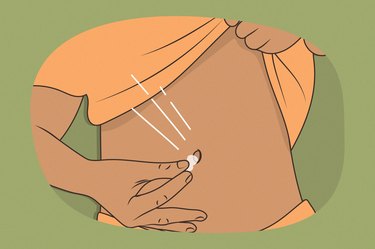















A small burn that has blistered is a second-degree burn, one that affects the tissue of the skin located below your epidermis. Some small second-degree burns can be treated at home without the need to see a doctor, according to Mayo Clinic expects...
A blister is small, fluid-filled vesicle that forms between the upper layers of the skin due to a variety of factors. According to Lifespan, a blister that forms as part of a skin rash may be tiny, as small as the head of a pin, or much larger, up...
Most runners experience blistering at some point during the running life. Some blisters are small enough to not have an impact on your running form. Others are big and seemingly appear precisely in the spot where it is most painful and burdensome...
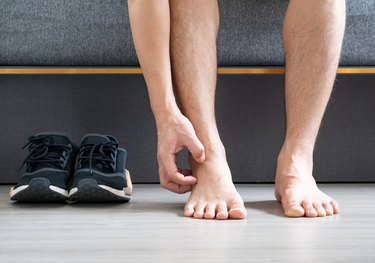
Blisters are generally small, fluid-filled bubbles that appear just underneath the skin. Blisters are a common cause of foot pain, particularly in runners and other athletes. According to Foot Pain Explained, blisters most often appear on the...
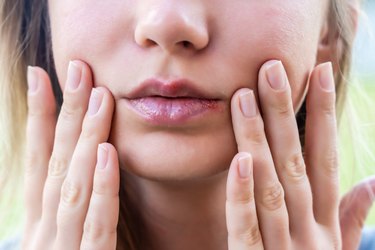
Cold sores are small blisters or sores that can be fluid-filled and painful. Unlike canker sores, cold sores are caused by an infection of the herpes simplex virus. Because the body is never completely able to rid itself of this virus, there is no...
A variety of conditions and medications can cause your hands to tingle and cause small white bumps that resemble whiteheads. This is usually a side effect from certain medications or a symptom of an underlying condition. To ensure a proper...
Blisters generally occur when an object moves across the skin in a manner that creates friction. On the hands, baseball bats and other handheld sports equipment cause blisters when they rub against delicate skin on the fingers and palm, causing...
You can get a cold sore from sharing food. The most common ways to get the virus that causes cold sores is from kissing, sharing food, sharing utensils and sharing towels or razors, according to MayoClinc.com. Cold sores typically do not require...
Shingles is caused by the herpes zoster virus--the same virus that causes chicken pox. Small blisters form along a nerve path and produce pain, itching and sometimes stiffness in the affected area. Some people elect to take anti-viral medications...
Fever blisters, often referred to as cold sores, are small blisters filled with fluid that generally occur on the face or near the mouth. The herpes simplex virus causes this condition. Most people who are exposed to this virus become infected,...
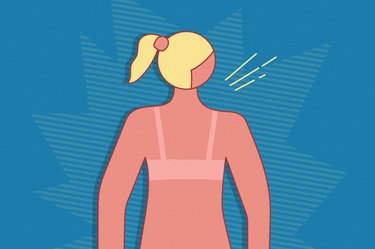
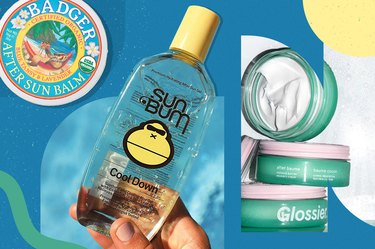
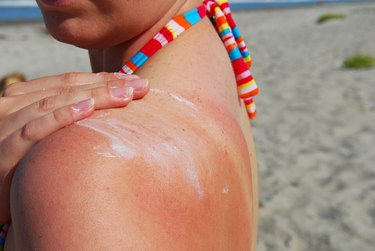
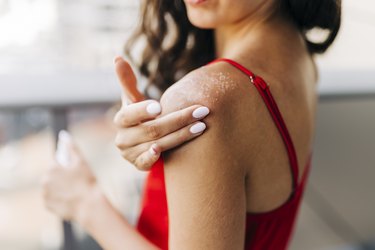
A day outdoors without adequate sun protection can lead to a painful, itchy sunburn, an extreme case of which is referred to as sun poisoning. Severe sunburns, or sun poisoning, can cause small blisters, fever, nausea, dizziness and headaches....
Eczema and psoriasis are two different skin conditions that can result in itchy or painful skin lesions to occur. Despite the similarities between these two conditions, they are distinctly different conditions and almost never occur together.
Small, clear bumps on your skin can stem from a variety of different causes. Many of these causes are not considered risks to your overall health. Clear bumps can be removed by surgical intervention, topical lotions or ointments, or they may...
One of the most commonly used ways to diagnose shingles is by looking for its fairly unique symptoms. Shingles usually starts by causing a very severe burning or tingling pain that is limited to one side of the body or face. After the pain begins,...
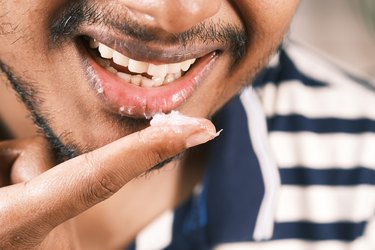
Cold sores are small blisters caused by the herpes simplex virus. They are itchy, painful, irritating and unattractive. Cold sores---also knows as fever blisters---usually heal on their own within a week, but sometimes you need to cure them fast....
The silvery scales, red lesions, pustules and itchiness that accompany psoriasis can sometimes look like other skin conditions, including dermatitis and other types of skin rashes. The diagnosis method for psoriasis is pretty straightforward,...
Infants develop heat rash, also known as "prickly heat," when the sweat glands are blocked. This normally happens during humid or hot weather, making the baby uncomfortable. Babies have smaller skin pores than adults, which makes it harder for the...
According to Medline Plus, a consumer health information web site maintained by the National Institutes of Health and the National Library of Medicine, herpes labialis, cold sores and fever blisters are different terms used to describe herpes...
The herpes simplex virus type 1 causes cold sores, also known as fever blisters, which commonly appear on the lips, corners of the mouth and occasionally inside the mouth. According to MedlinePlus, nearly all Americans are infected with oral...
Herpes are caused by a herpes simplex virus infection, either type 1 (HSV-1) or type 2 (HSV-2), and early signs and symptoms depend on the location of the initial infection and the type of viral infection. Side effects of the herpes virus are not...
Cold sores are caused by herpes simplex virus, or HSV-1. Up to 90 percent of adults in the United States have been exposed to HSV-1, according to the University of Maryland Medical Center in 2007. HSV-1 is transmitted through saliva. People who...
Shingles, also known as herpes zoster, is a painful skin rash with blisters. Shingles is caused by the varicella-zoster virus, which is the same virus that causes chickenpox. People who have had chickenpox are at risk to develop shingles, since...
Herpes is a chronic disease caused by a viral infection. The most commonly affected parts of the body are the face and genital region. Herpes in children usually affects the face. Symptoms of herpes include a rash on the face with small blisters....
Genital herpes is a sexually transmitted disease (STD) caused by a viral infection. There are two viruses responsible for genital herpes: herpes simplex virus type 1 (HSV-1) and herpes simplex virus type 2 (HSV-2). According to the University of...
Herpes is caused by the herpes simplex virus, a virus that can cause small blisters and sores to erupt in the mucous membranes of the mouth, lips and genitalia. One form of herpes, called herpes labialis, typically effects the oral cavity. Because...
Cellulitis is a bacterial infection that often enters through broken or cracked skin. The two types of bacteria that are usually responsible for cellulitis are streptococcus and staphylococcus. The Merck Manual Online Medical Library reports that...
Yeast infections occur when an overgrowth of Candida albicans occurs. Yeast occurs naturally in the skin, mouth and intestinal tract, according to Thrush-Symptoms.com. Genital yeast infections are commonly associated with women but men can also...
Yeast infections occur when candida, a type of fungus, overpopulate in or on the body. The condition is most often associated with women, but men can also develop the infection. When a man experiences an overgrowth of yeast, he is likely to have a...
Blisters, small fluid-filled circular shaped bumps, occur as part of many childhood diseases. Most are self-limited and have no long term affects, but can make children uncomfortable. Many occur as part of systemic illnesses that also cause fever...
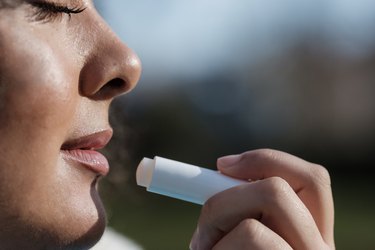
A tingling, a hard spot, or a red blister on your lip are all signs of a cold sore. Cold sores, also called fever blisters, are common. Though you can't cure or prevent cold sores, you can take steps to reduce their frequency and to limit the...