





















































Diet is a large part of diabetes type two. Some diabetics can actually reduce the need for insulin through proper diet and exercise. Learn more about what to eat as a diabetic in this video.
Monitor daily calorie intake
Learn to count carbohydrates
Eat food with a low glycemic index
David Hill is Adjunct Assistant Professor of Pediatrics at University of North Carolina at Chapel Hill. He also works as the vice-president of Cape Fear Pediatrics, and is a fellow of the American Academy of Pediatrics. David attended Rice University and Texas Medical School of Houston. He writes a monthly column for the Wilmington Parent, as well as, grant regular interviews with television channel WWAY regarding health topics. Sharing his extensive knowledge in a way that is accessible, and maintains healthy lifestyles is what Dr. Hill strives to achieve.
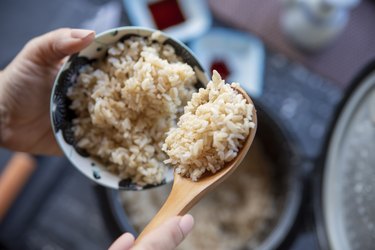
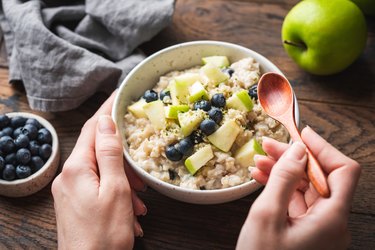
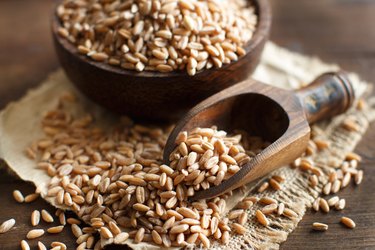
DR. DAVID HILL: Today, we're going to talk about the role of diet and helping you control type-2 diabetes. For most patients, diabetes mellitus type 2 is a disease of overweight. As your body's fat cells grow, your body becomes less able to handle the sugar load that it's presented and blood sugar levels go up. The good news is, if you can loose some of that weight, you can also bring down you blood sugars. In fact, some diabetics can reduce or even eliminate the medications that they're on depending on how successful they are. Exercise will help in addition to diet control toward these goals. Sadly, despite how well this works, many diabetics do not comply with diet or exercise recommendations. The goals of diet and exercise in diabetes are not just to bring down blood sugar but also to control factors like high blood pressure and cholesterol level. Losing weight with diabetes is not easy, but it is simple. There are several weight loss plans that had been shown to be effective. One of the most basic is calorie counting, just learning how many calories and how much fat you're eating can help you control your portions and figure out how much you should eat in a day. More complex is something called the exchange system. The dates are all the way back to the 1950's. In this system, different foods are given point levels and you'll have to swap out one kind of food for another as long as you stay within your total. If you're diabetic, it's very important that you learn to count carbohydrates. You get carbohydrate points that you can use to determine how much medication you might need and how high your sugar might go after a given meal. Ideally, you'd have complex carbohydrates like whole grains that have a low glycemic index. Compared to high glycemic index foods like white bread or potatoes, the sugar takes longer to come out of these foods in your body. And so, it doesn't have quite as big an impact on your blood sugar. If you're taking medication for diabetes, you maybe at risk of having a dangerously low blood sugar. Hypoglycemia can even be fatal. So you should always have access to a very high glycemic index food like sugar tablets or cake better that you can use for emergencies. To review, diabetes type-2 is a disease of overweight and can be controlled to some extent by losing weight. There are some great plans out there that will help you lose weight to control you disease. If you do, you'll not only help your diabetes, but you'll help your blood pressure and your lipid profile. Finally, if you're at risk for having low blood sugar because of your medications, be sure that you have a sugary food available to you at all times. That is diet and diabetes mellitus type-2.
Member Comments