





























































Amylase, protease and lipase are proteins secreted by organs in the gastrointestinal tract to help in the process of digestion. The pancreas produces the bulk of these proteins, while the glands that produce saliva in the mouth also secrete...
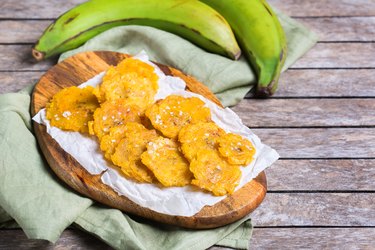
The health benefits of the banana are numerous. They are high in potassium, which helps us maintain normal blood pressure, and fiber, which helps prevent heart disease. Unripe bananas are green. They are safe to eat, and have most of the health...
People who are in good health generally have a sufficient amount of naturally occurring digestive enzymes. There are three specific categories of digestive enzymes that the body produces: amylases, lipases and proteases. If you do not produce...
Starch is the common name for the chemical compound amylose that consists of long chains of glucose molecules. Glucose is a sugar. When the body digests starch it converts it into glucose. In manufacturing food products such as corn syrup,...
The mouth plays a critical role in mechanical digestion as chewing breaks apart food, which lessens the burden on the rest of the digestive system. But the mouth also secretes amylase, an enzyme that breaks down starches -- long chains of sugar...
While manganese may not be found in large amounts in your body, you still need it in trace amounts to maintain good health. When it comes to your pancreas in particular, manganese is linked to it in two ways. First, your pancreas is one of the...
Digestive enzymes help your body break down food into nutrients your body can use. There are many types of enzymes, but the three main categories are lipase, which breaks down fats; protease, which breaks down protein; and amylase, which breaks...
Digestion is a complex process of breaking down foods into components that can be easily absorbed by the body. Digestion begins in the mouth, pit stops in the stomach and finishes with a journey through the intestines. Along the way, a variety of...
Starch is a large carbohydrate molecule composed of many glucose subunits bound into a complex, branching network. This is the main chemical used by plants to store excess energy; it is, not surprisingly, the most common carbohydrate in most human...
Bread making is practiced worldwide. Traditionally, natural, whole-grain flours were used for baking. Not all flours contain enough natural enzymes to process the yeast needed to help the bread rise, however. Enzymes such as amylase are added to...
Entropy is the concept that nature tends to move from order to greater disorder over time, or from organization to randomness and chaos. For instance, you would never expect the chocolate in your hot cocoa to concentrate itself into a powdered...
Digestion begins from the moment you bite into your food. Everything you eat needs to be digested in order to be absorbed and used. Enzymes inside your mouth and stomach start the process by breaking down complex molecules into simpler versions...
Foods containing carbohydrates, such as baked potatoes, breads, cookies, pasta and rice, occupy the most space on many plates, make up the main course of many meals and are major contributors of energy in many diets. Carbohydrates, composed of...
The radish is a vegetable from the cruciferous botanical family. The different varieties share similar attributes, such as a firm, well-hydrated, spicy flesh. The well-formed radish is smooth with healthy green leaves. Radishes harvested after...
High fructose corn syrup is an ingredient found in many of the foods and beverages that line grocery store shelves. In recent years, the controversy surrounding high fructose corn syrup has grown as the health effects have fallen into debate....
Many studies have shown that tea consumption is beneficial to health. While green and white teas are more widely marketed and receive the most attention, hibiscus tea has its own health benefits. The hibiscus flower has been used for many years in...
The potato can make you feel at home in any part of the world. According to the International Potato Center, the potato is the third most grown crop in the world, with more than 300 million metric tons produced annually. The United Nations...
Carbohydrates you consume in your diet provide your body with energy necessary for day-to-day activities and ensure proper function of your bodily systems. Both complex carbohydrates from foods such as unrefined pasta and whole grains, as well as...
Carbohydrates are components of foods that are composed of sugars. There are several types of carbohydrates present in food sources. Simple carbohydrates, found in refined flour products such as white bread and rice, and complex carbohydrates,...
Carbohydrates are necessary for the proper functioning of the human body. These building blocks are found in foods such as grains, vegetables and fruits. Amylase, an enzyme produced by your body, breaks down carbohydrates into sugars, which your...
Pancreatin, sold under the brand name Hi-Vegi-Lip or Pancreatin 4X, is a digestive enzyme supplement used to replace digestive enzymes when the pancreas is not producing enough. Providence Health & Services describes pancreatin as an important...
Raw honey differs significantly from the honey you find in most grocery stores. Sometimes packaged in bear-shaped squeeze jars, processed honey contains more sugar to sweeten the mixture, and it often lacks some of the honey's best natural...
Glucose is a sugar that serves as a primary energy source for your body. It also provides fuel for optimal brain and nervous system activity, which may help support cognitive functions such as learning and memory. The human body stores glucose in...
If you have ever had a meal or snack that was heavy on carbs, only to find yourself "crashing" a little later and feeling more tired than before you had the snack, you're far from alone. The post-carb letdown is a real phenomenon, but you can do...
The human digestive system is a complicated physiological entity which has the role of both breaking down consumed food and beverages as well as absorbing the nutrients from the food. The breaking down process involves several enzymes, which are...
As you age, the enzymes in your body decrease, which makes the process of digesting foods more difficult. In fact, cells of elderly people have lost 90 percent of their original enzymatic content, according to GrowWheatGrass.com. Wheatgrass...
Bromelain is a mixture of proteolytic, or protein-digesting, enzymes found in pineapple.
Bromelain breaks protein down into smaller segments, aiding digestion. According to the University of Maryland Medical Center, pineapple has been used for...
Digestive enzymes are produced by the pancreas and excreted into the digestive system. Some individuals, over time, may begin to produce fewer enzymes and develop a sensitive digestive system. Those with an overactive pancreas can also develop a...
The body relies on special proteins known as enzymes to help body reactions happen faster. In the digestive tract, enzymes help to maintain normal digestion and metabolic functions, helping you to get energy from food. Understanding how enzymes...