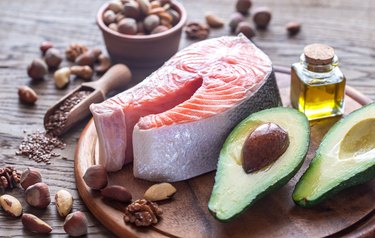
Sperm count plays a major role in male fertility. Low sperm count makes conception more difficult to achieve, but eating the right foods may help. Increasing antioxidant intake through diet and supplements is key to countering the oxidative stress that factors into low sperm count when excessive free radicals in the body damage cells.
Ten foods that may increase sperm count are citrus fruits, broccoli, peppers, leafy greens, red meat, poultry, eggs, fish, nuts and milk.
Video of the Day
Video of the Day
Male Fertility Vitamins and Minerals
A diet rich in certain nutrients may increase sperm count and improve male fertility. Research published in the Arab Journal of Urology in 2018 found 26 studies that showed a link between antioxidants and improved semen parameters, including sperm count.
Antioxidants, such as vitamins C and E, can neutralize free radicals, while folic acid and coenzyme Q10 destroy them. Because a zinc deficiency results in an increase in oxidative stress due to free radicals, boosting zinc intake is a way to help to inhibit oxidation.
The mineral selenium is another antioxidant that helps to mitigate cell damage inflicted by free radicals by protecting DNA in sperm cells. It also helps to maintain the structure of sperm cells.
Vitamin B12 plays an important role in new cell production and DNA synthesis. A 2017 review found 23 studies that identified a positive effect of B12 supplementation on increased sperm count.
Read more: What Are Some Examples of Antioxidants?
The Role of Antioxidants
Free radicals are molecules that contain oxygen and have unpaired electrons. These oxidants react easily with other molecules.
Sperm cells produce a small number of free radicals necessary for normal cell function. The number of free radicals is normally kept in check by the presence of antioxidants in seminal fluid. An increase in the level of free radicals results in oxidative stress because of an imbalance between oxidants and antioxidants. Overheating, infection, air pollution, obesity and alcohol consumption are some of the causes for an increase in free radicals.
Oxidative stress can damage or destroy sperm cells, which decreases fertility. Men with infertility issues, such as low sperm count, have a higher percentage of free radicals in their semen than fertile men.
Red Meats and Other Proteins
Red meat and poultry are good sources of zinc and vitamin B12. Eating fish also provides a B12 boost and adds selenium to the diet. Eggs are another good source of vitamin B12.
The fat-soluble lipoprotein coenzyme Q10 is found in red meat, poultry and oily fish. Choose fresh, lean cuts of meat and poultry over processed or higher-fat proteins.
Read more: Vitamins and Nutrients in Red Meat
Eat More Fruits and Vegetables
It's no secret that eating produce improves health, and male fertility is no exception. Many fruits and vegetables contain high levels of antioxidants. For example, citrus fruits and juices, broccoli and peppers are all good sources of vitamin C. Dark, leafy greens contain a high amount of folate, also known as folic acid.
Snack on Nuts
Nuts, especially walnuts, provide both vitamin E and selenium. Brazil nuts are the No. 1 source of selenium, containing more per serving than fish or other foods. One ounce of Brazil nuts contains more than five times the selenium in a 3-ounce portion of cooked tuna.
Drink Milk for Vitamin B12
Milk, cheese and other dairy products are another source of vitamin B12. Men with lactose sensitivity can substitute soy milk fortified with B12 as an alternative to cow's milk.
Vegetarians and Vegans
Men who don't eat meat or other animal products may have a difficult time getting enough zinc, B12, selenium and coenzyme Q10 in their diets. Fortified cereals and beans provide zinc, and nuts contain a good amount of selenium.
Vegetarian sources of vitamin B12 include milk and cheese, but vegans will need to look for nondairy milks fortified with B12. Taking oral supplements of vitamin B12 and coenzyme Q10 may be necessary to ensure getting enough nutrients to increase sperm count.
- Arab Journal of Urology: Systematic Review of Antioxidant Types and Doses in Male Infertility
- International Journal of Reproductive BioMedicine: Antioxidant Supplements and Semen Parameters
- Harvard Health Publishing: Listing of Vitamins
- Biomolecules: Vitamin B12 and Semen Quality
- Journal of Assisted Reproduction and Genetics: Coenzyme Q10 and Male Infertility
- National Institutes of Health: Selenium
Is this an emergency? If you are experiencing serious medical symptoms, please see the National Library of Medicine’s list of signs you need emergency medical attention or call 911.