





















































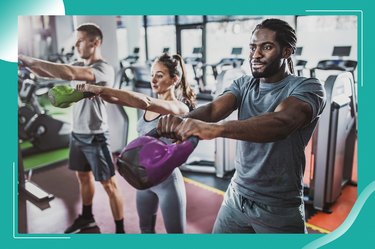



















Children participate in sports to be with friends, have fun and improve as athletes. Women's Sports Foundation commissioned two nationwide surveys studying how sports participation affects children. The Foundation found that sports participation has many benefits, including improvements in physical and emotional health, academic achievement, self-esteem and quality of life for children.
Teach Discipline
Young athletes who take part in sports become more disciplined as they develop time-management and organizational skills and learn to take in all forms of feedback from their peers and coaches. Through the losses, physical pain and disappointment, children grow resilient as they have to learn to bounce back from the ups and downs of competition and be ready for the next play or upcoming game.
Foster Interpersonal Relationships
Youth sports participation allows children the opportunity for socialization. Children begin to understand the concept of teamwork and cooperation. Sports create a sense of community among peers and with adults who serve as coaches. Children who participate in sports are able to foster relationships that will last a lifetime.
Improve Physical and Mental Strength
Being an active athlete, children develop a mind-body connection. They become stronger and more physically fit, which increases their energy levels. Sports are also a natural stress-reliever. Physically fit children tend to have a healthier body image and higher self-esteem and are less prone to depression and anxiety, according to the Centers for Disease Control.
Promote Health
The obesity rate is rising among youth in America---one out of three children are considered overweight, according to Kids Health. Obesity can lead to a variety of future health problems, such as high blood pressure and diabetes. Obese children are also more prone than physically fit ones to sleep disorders and substance abuse. Athletic participation can help keep children healthy.
Develop Good Habits
Athletic participation teaches preparation. An athlete who is prepared will have confidence and self-respect. These skills will transfer well and encourage success in other areas of life, such as in school. Children who learn at a young age that exercise can decrease stress and tension are more likely to keep fit throughout their lives.
References
- Women's Sports Foundation: Go Out And Play---Youth Sports in America
- "The Young Athlete: A Sports Doctor's Complete Guide For Parents"; Jordan D. Metzel & Carol Shookhoff; 2002
- University of Florida: Benefits of Sports for Kids
- Centers for Disease Control and Prevention: Physical Activity and Health
- Kids Health: Overweight and Obesity


Member Comments